Last summer, I spent twenty minutes in a beauty store staring at a wall of foundations, completely frozen. Every bottle promised flawless skin, but none of them told me which one actually suited my combination skin. If you've ever felt that same overwhelm, you're not alone. Understanding the different types of makeup foundations is the first step toward finding your perfect match — and it's simpler than you think once you know what each formula actually does. Whether you're building a full skincare and makeup routine or just replacing a foundation that never quite worked, this guide breaks it all down.

Foundation technology has come a long way, especially in the K-beauty world where lightweight, skin-friendly formulas dominate. From sheer tints to full-coverage creams, each type serves a specific purpose. The trick isn't finding the "best" foundation — it's finding the best one for you.
Below, you'll find a practical breakdown of every major foundation type, when to reach for each, common pitfalls, and tips that actually make a difference in how your base looks by the end of the day.
Contents
A Practical Guide to Every Foundation Type
Not all foundations are built the same. Each formula uses a different base, offers different coverage levels, and interacts differently with your skin type. Here's what you need to know about the major categories.
Liquid Foundation
Liquid foundation is the most popular and versatile option on the market. It comes in a wide range of finishes — matte, dewy, satin, natural — and coverage levels from sheer to full. Most liquid foundations use a water or silicone base, which affects how they feel on your skin and how they interact with your skincare products for oily skin.
- Best for: Almost all skin types, depending on the specific formula
- Coverage: Light to full (varies by product)
- Finish: Matte, dewy, satin, or natural
- Application: Brush, sponge, or fingers
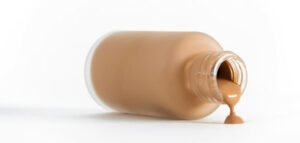
Water-based liquids tend to feel lighter and work well under humid conditions. Silicone-based versions blur pores and create a smoother finish but can feel heavier on acne-prone skin. If your skin leans oily, look for oil-free formulas labeled "non-comedogenic."
Powder Foundation
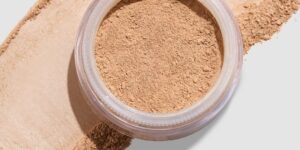
Powder foundations come in pressed or loose forms and deliver a matte finish that controls shine throughout the day. They're a go-to for oily and combination skin types because they absorb excess sebum without caking.

The trade-off? Powder foundations can settle into fine lines and dry patches, making them less ideal if your skin runs dry. They work best as a light-coverage option or as a setting layer over liquid foundation.
Cream Foundation
Cream foundations pack more pigment into a thicker, emollient base. They deliver medium to full coverage and feel hydrating on the skin — which makes them a strong choice for dry or mature skin types. You'll typically find them in compacts or sticks.
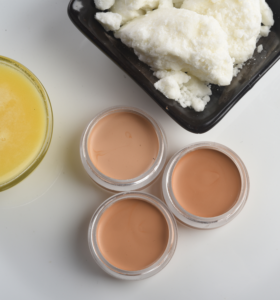
The extra moisture content means cream foundations can slide or crease on oily skin without proper setting. If you go this route, a light dusting of translucent powder helps lock everything in place.
Stick, Cushion, and Airbrush Foundations
Stick foundations are essentially cream foundations in a portable, twist-up format. They're great for targeted coverage and touch-ups but can feel heavy when applied all over.
Cushion foundations — hugely popular in K-beauty — deliver a dewy, natural finish through a sponge-soaked compact. They're lightweight, buildable, and perfect for the "glass skin" look. If you're already into Korean BB creams, cushion foundations are a natural next step.
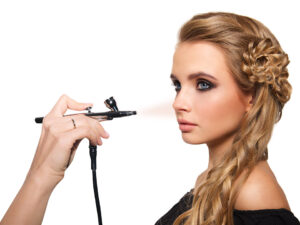
Airbrush foundations use a fine mist sprayed through a machine or aerosol can. They create a seamless, photo-ready finish but require specialized equipment and practice. Most people encounter airbrush foundation at professional makeup counters or on wedding days.
When to Use Each Foundation (And When to Skip It)
Choosing the right types of makeup foundations depends on your skin type, the occasion, and the finish you want. Here's a quick reference:
| Foundation Type | Best For | Skip If... | Ideal Occasion |
|---|---|---|---|
| Liquid | All skin types | You want zero maintenance | Daily wear, events |
| Powder | Oily, combination skin | Your skin is dry or flaky | Quick routines, hot weather |
| Cream | Dry, mature skin | Your skin is very oily | Formal events, photography |
| Cushion | Normal, combination skin | You need heavy coverage | Daily wear, touch-ups |
| Stick | Spot coverage, travel | You want an all-over sheer look | On-the-go fixes |
| Airbrush | Professional settings | You don't have the equipment | Weddings, photoshoots |
A common question: can you mix types? Absolutely. Many makeup artists layer a liquid base with a powder finish, or spot-conceal with a stick before applying cushion foundation everywhere else. There are no rules against combining what works.
Your skin changes with the seasons — the foundation that works in winter may fail you in summer. Reassess your formula when the weather shifts.
How to Apply Foundation Step by Step
Even the best foundation looks terrible with poor application. Here's a straightforward process that works across most types of makeup foundations:
- Prep your skin. Cleanse, moisturize, and apply sunscreen. Your foundation is only as good as the canvas underneath it. A proper base starts with hydration — especially if you're using a Korean CC cream or a matte formula that can cling to dry spots.
- Apply primer (optional). Primer smooths texture, fills pores, and helps foundation grip. Silicone primers pair well with silicone-based foundations; water-based primers match water-based formulas.
- Dispense a small amount. Start with half a pump or a pea-sized dot. You can always build up coverage, but removing excess is messy.
- Apply from the center outward. Place foundation on your nose, cheeks, forehead, and chin. Blend outward toward your hairline and jawline using your chosen tool.
- Blend, blend, blend. Use a damp beauty sponge for a natural finish, a flat brush for more coverage, or clean fingers for a quick everyday look. Stippling (patting) motions give better results than dragging or wiping.
- Set if needed. Matte foundations may not need setting. Dewy or cream formulas benefit from a light dusting of translucent powder on the T-zone.
The whole process should take three to five minutes. If you're spending longer, you're probably overcomplicating it.
Foundation Mistakes That Sabotage Your Look
You'd be surprised how many foundation problems come down to a handful of repeated mistakes. Here are the ones worth eliminating from your routine.
Wrong Shade Match
Testing foundation on your hand or wrist gives you misleading results. Always swatch along your jawline in natural light. Your foundation should disappear into your skin — if you can see a clear line, it's the wrong shade.
Skipping Skincare
Foundation applied over dehydrated, unprepped skin will cling to flakes, settle into creases, and oxidize faster. Even a simple routine of cleanser, moisturizer, and SPF makes a dramatic difference in how any foundation performs.
Using the Wrong Formula for Your Skin Type
Oily skin plus cream foundation equals midday meltdown. Dry skin plus matte powder equals patchy flaking. Matching formula to skin type matters more than brand, price, or influencer recommendation.
Over-Applying
More product does not mean more coverage — it means more caking. Thin, buildable layers always outperform one thick coat. If you need extra coverage in specific areas, spot-apply rather than loading up everywhere.
Ignoring Undertone
Your foundation should match not just your skin depth but your undertone — warm, cool, or neutral. A shade that matches in lightness but clashes in undertone will look ashy, orange, or pink depending on the mismatch.
Weighing the Pros and Cons of Each Formula
Every foundation type involves trade-offs. Here's an honest look at what you gain and what you give up with each option.
Liquid Foundation
- Pros: Widest shade range, versatile finishes, buildable coverage, available everywhere
- Cons: Can feel heavy in full-coverage versions, may transfer onto clothes, requires blending tools
Powder Foundation
- Pros: Controls oil, fast application, travel-friendly, no brushes required
- Cons: Emphasizes texture, limited coverage, drying on flaky areas
Cream Foundation
- Pros: Hydrating, high coverage, smooth finish, great for photography
- Cons: Can crease, feels heavy, needs setting powder, fewer shade options
Cushion Foundation
- Pros: Lightweight, natural dewy finish, easy touch-ups, SPF often included
- Cons: Light coverage only, pricey refills, limited shade diversity
There's no single "best" formula. The right choice depends on what you prioritize — coverage, finish, convenience, or skincare benefits.
Tips and Tricks for a Flawless Base Every Time
Once you've picked your formula, these practices help you get the most out of it consistently.
- Mix foundations for custom coverage. Blend a full-coverage liquid with a tinted moisturizer for a medium finish that feels lighter on the skin.
- Use a damp sponge for the most natural result. A wet beauty sponge sheers out product slightly, preventing that "mask" effect.
- Match your primer base to your foundation base. Oil-based primer under water-based foundation causes pilling. Keep the chemistry consistent.
- Apply foundation in good lighting. Natural daylight reveals streaks, unblended edges, and shade mismatches that bathroom lighting hides.
- Don't forget your neck. Blend foundation slightly past your jawline and onto your neck to avoid the floating-face look.
- Store foundations properly. Heat and humidity degrade formulas faster. Keep them in a cool, dry place — not your bathroom counter next to the shower.
One underrated tip: let each layer of your skincare routine absorb for about sixty seconds before applying foundation on top. This prevents products from mixing on the surface and breaking down your base prematurely.
Frequently Asked Questions
What type of foundation is best for beginners?
Liquid foundation is the most forgiving for beginners because it blends easily, comes in the widest range of shades, and works with any application method — fingers, sponge, or brush. Start with a medium-coverage formula and build up as needed rather than committing to a heavy product right away.
Can you wear foundation without primer?
Yes, primer is optional. If your skincare routine includes a good moisturizer and sunscreen, those create enough of a base for foundation to adhere to. Primer mainly helps with longevity and pore-blurring, so it depends on what your skin needs and how long you need your makeup to last.
How do you know if your foundation has oxidized?
Oxidation happens when foundation reacts with your skin's oils and air, turning darker or more orange after application. To test, apply a small amount to your jawline, wait thirty minutes, and check the color in natural light. If it shifts noticeably, that formula doesn't suit your skin chemistry.
The best foundation isn't the most expensive or the most hyped — it's the one that matches your skin type, your undertone, and your life.


About Austin Park
Austin Park is a Korean beauty enthusiast and product researcher who has spent years studying the K-beauty industry — tracking ingredient trends, comparing formulations, and evaluating how Korean skincare and cosmetic brands perform for a wide range of skin types. His research-driven approach to product evaluation focuses on ingredient lists, brand transparency, and real-world results rather than marketing claims. At BestKoreanGuide, he covers Korean skincare routines, product reviews, and ingredient guides for readers building their first K-beauty routine or expanding an existing one.
You can get FREE Gifts. Or latest Free phones here.
Disable Ad block to reveal all the info. Once done, hit a button below