Have you ever bought a foundation that looked perfect in the store, only to find it oxidized, caked, or completely disappeared by noon? Learning how to choose the right foundation eliminates that frustration — and this guide walks you through every variable that matters so your next purchase actually works. Building a strong makeup base starts with the right products for your skin, and in the skin care and makeup world, foundation is the cornerstone of every look.
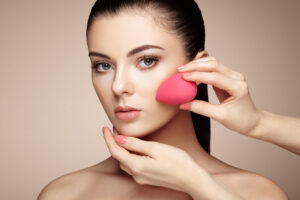
Foundation is not a one-size-fits-all product. Liquid, cushion, powder, stick, serum — each formula interacts with your skin chemistry differently. Add in the impressive catalog of Korean beauty foundations known for their skin-blurring technology and lightweight buildable formulas, and the options are genuinely staggering. But the market rewards informed shoppers, not overwhelmed ones.
Once you understand a handful of core factors — skin type, undertone, coverage level, finish, and formula ingredients — you can narrow any selection down to a shortlist in minutes. Work through each section below and you will walk away knowing exactly what to look for before you spend a single dollar.
Contents
Understanding Your Skin Before You Shop
No foundation formula works in isolation. It interacts with your skin's natural chemistry every day, which means understanding your skin is the first real step — and skipping it is the reason most people end up with the wrong product on their face.
Identifying Your Skin Type
Your skin type determines which foundation formula will actually last and look good beyond the first hour. According to established skin care principles, skin is broadly categorized into oily, dry, combination, normal, and sensitive types — each responding very differently to foundation ingredients. The simplest test: wash your face, apply no product, and observe after 60 minutes. Shine all over means oily. Tightness and dullness means dry. A shiny T-zone with normal or dry cheeks means combination.
Sensitive skin is less a type and more a characteristic — it can overlap with any category but reacts easily to fragrance, alcohol, and certain preservatives. If you regularly experience redness or irritation after applying makeup, sensitivity is a primary filter when you shop.
Finding Your Undertone
Shade matching goes deeper than light versus dark. Your undertone — warm, cool, or neutral — determines whether a foundation looks natural or off on your skin. Look at the inside of your wrist in natural daylight. Blue or purple veins suggest cool undertones; green veins suggest warm; a mix points to neutral. Korean beauty foundations frequently lean toward cool or neutral undertones, which flatters a wide range of Asian skin tones beautifully.
Pro tip: Always swatch foundation along your jawline, not your wrist — the jaw is where foundation transitions into your neck, and that's where shade mismatches are most visible.
How to Choose the Right Foundation for Your Skin Type
Once you know your skin type and undertone, you can filter foundation formulas with real precision. This is exactly how to choose the right foundation without wasting money on trial and error every season.
Oily and Acne-Prone Skin
Excess sebum needs a formula that controls shine without suffocating your pores. Look for oil-free, non-comedogenic formulas with a matte finish. Ingredients like silica and kaolin clay absorb oil throughout the day. Avoid heavy mineral oils or silicone-heavy primers layered underneath — these break down faster and increase the risk of clogging. Building a strong skincare routine underneath your foundation matters too; the best Korean skincare products for oily skin help keep your base in place far longer.
Dry and Sensitive Skin
Dry skin craves hydration, and a matte or powder foundation will only emphasize flakiness and texture. Choose liquid or serum foundations with hydrating ingredients like hyaluronic acid, glycerin, or ceramides. These formulas deposit moisture as they cover, keeping your skin looking plump and dewy rather than parched. A luminous or satin finish flatters dry skin far more than any flat matte. Sensitive types should prioritize fragrance-free, alcohol-free formulas — and patch test on your inner arm for 24 hours before applying to your full face.
Combination Skin
Combination skin needs balance. You want control for your oily T-zone without stripping moisture from your cheeks and jawline. A natural or satin-finish foundation with medium buildable coverage almost always delivers the best results. Many Korean cushion foundations are ideal here — lightweight, breathable coverage that treats each zone evenly. For a complementary skincare routine, the best Korean skincare products for combination skin give your foundation a more stable base to work with.
Warning: Never apply a thick, full-coverage foundation over dry or dehydrated skin — it settles into fine lines and dry patches, making skin look older and more textured rather than smoother.
Foundation Types at a Glance
There are far more types of makeup foundations than most people realize. Each format has specific strengths and weaknesses tied to skin type, desired finish, and application time. The table below cuts through the confusion.
Formula and Finish Breakdown
| Foundation Type | Best For | Typical Finish | Coverage Level | Key Notes |
|---|---|---|---|---|
| Liquid | All skin types | Matte, satin, or dewy | Light to full | Most versatile; widest shade range |
| Cushion | Normal to combination | Dewy or natural | Light to medium | K-beauty staple; portable; buildable |
| Stick | Normal to dry | Satin to full | Medium to full | Easy spot application; rich texture |
| Powder | Oily skin | Matte | Light to medium | Great for touch-ups; dries out dry skin |
| Serum Foundation | Dry or mature skin | Luminous | Sheer to light | Skincare-makeup hybrid; no heavy feel |
| Tinted Moisturizer | Normal or dry | Natural or dewy | Sheer | Minimal coverage; ideal for casual wear |

Matching Coverage and Finish to Your Look
Coverage and finish are not the same thing, and confusing them leads to wrong purchases. Coverage describes how much the foundation obscures your skin — sheer, light, medium, or full. Finish describes the surface quality it leaves — matte, satin, dewy, or luminous. You can have full-coverage dewy just as easily as sheer matte. Know which combination you need before you shop.
Light to Medium Coverage
Light and medium coverage foundations work perfectly for everyday wear, especially when your skin is mostly even-toned with minor blemishes or redness. They let natural skin texture and tone show through while smoothing things out. Korean cushion foundations shine here — their airy coverage delivers a polished look without masking your skin. If you need spot correction on top, a quality Korean concealer handles targeted coverage without layering product all over your face.
Full Coverage Situations
Full coverage is the right call when you're covering hyperpigmentation, acne scarring, rosacea, or significant discoloration. It's also the natural choice for photography, events, and airbrush makeup looks where skin appears under bright or camera lighting. The key with full coverage is building in thin layers rather than applying one heavy coat — hard, visible edges are the most common sign of over-application. A damp beauty blender blends far more seamlessly than a brush for heavier formulas.
Common Foundation Mistakes and How to Fix Them
Even after you identify the right formula, application errors can undo everything. These are the most frequent problems people run into — and the direct fixes for each one.
Shade Matching Errors
The most common mistake is choosing a shade that's too light or too pink. Many people instinctively reach for shades lighter than their actual skin tone, which creates a visible line at the jaw. Always test on your jawline in natural daylight — store lighting is almost universally misleading. If you're shopping online, use the brand's shade-matching tool and filter reviews by people with a similar undertone and depth. Two or three swatch options narrowed down in natural light beats any algorithm.
Application Problems
Skipping moisturizer, applying foundation over dry patches, and using the wrong tool for your formula are all common errors. Brushes suit buildable, medium-coverage formulas well but tend to streak with thick textures. A damp sponge blends more seamlessly and pushes less product around. If your foundation consistently oxidizes darker by midday, your skin chemistry may be reacting to certain oil-based pigments — switch to a mineral-based formula and see if that resolves it.
Tip: Set your base with a light dusting of Korean setting powder — it locks in coverage, controls midday shine, and prevents the oxidation that turns foundations darker after a few hours of wear.
Quick Wins for Better Foundation Results
These practical steps improve your foundation's performance immediately, regardless of which formula you use. None require new products — just a smarter approach to how you prep and finish.
Prep Your Skin First
Foundation performs dramatically better on well-prepped skin. Apply a moisturizer suited to your skin type and let it absorb for at least five minutes before any makeup touches your face. Korean beauty philosophy centers on skin prep above all else — that principle applies directly here. A solid routine built around the top Korean skincare products means your foundation sits on a smooth, hydrated canvas instead of fighting against dryness or excess oil from the start.
Set and Lock It In
After applying your foundation, set it with powder on your T-zone and any high-movement areas — around your nose, smile lines, and chin. Follow with a setting spray to lock everything in place. This two-step approach extends wear time significantly and preserves the finish you chose. If your foundation still breaks down quickly after doing this, revisit your skincare base — the issue often lives underneath the foundation, not in the formula itself.
Frequently Asked Questions
What is the single most important factor when choosing a foundation?
Skin type is the most critical factor. It determines which formula will last, look natural, and feel comfortable throughout the day. Getting this right first narrows your entire search to a manageable shortlist.
How do I find my correct foundation shade without trying it in person?
Use the brand's online shade-matching tool, read reviews filtered by people with a similar undertone and depth, and order two shades closest to your estimate. Test both on your jawline in natural light and return the one that doesn't match. Most brands offer free returns for this reason.
Is liquid or powder foundation better for oily skin?
A liquid foundation with an oil-free, matte formula generally outperforms powder for oily skin. Powder can look cakey over time as it mixes with sebum, while a well-formulated matte liquid foundation controls shine more consistently when paired with the right primer.
What does undertone mean in foundation?
Undertone is the subtle color cast beneath your skin's surface — warm (yellow or golden), cool (pink or blue), or neutral (a mix of both). Choosing the wrong undertone makes your skin look ashy, orange, or unnatural even when the depth of the shade is technically correct.
Can I use Korean foundation if I have a non-Asian skin tone?
Absolutely. Korean beauty brands have expanded their shade ranges considerably and now offer warm, cool, and neutral undertones across a broad depth spectrum. Many formulas perform exceptionally well on diverse skin tones thanks to their lightweight, skin-blurring technology.
Why does my foundation look cakey by midday?
Cakiness usually results from applying too much product at once, skipping moisturizer beforehand, or using a formula that doesn't suit your skin type. Apply in thin layers, always moisturize first, and switch to a hydrating formula if dryness is the root cause.
Do I always need primer before applying foundation?
Not always, but primer extends wear time and helps formulas grip better to your skin. If you have large pores, oily skin, or your foundation fades quickly, a targeted primer is worth adding. For dry skin with a dewy formula, an extra layer of moisturizer often achieves the same result.
What coverage level is best for beginners?
Start with light to medium coverage. It's more forgiving, easier to blend, and looks more natural while you build your application technique. You can layer a concealer over spots that need more coverage rather than starting with a heavy full-coverage formula across your entire face.
Final Thoughts
Now that you know how to choose the right foundation based on skin type, undertone, coverage, and finish, your next purchase is an informed decision — not a gamble. Start by identifying your skin type, narrow by undertone, then test your top two candidates on your jawline in natural light before committing. Head over to the skin care section on Best Korean Guide to find the Korean skincare products and makeup essentials that will make your foundation perform even better every single day.


About Austin Park
Austin Park is a Korean beauty enthusiast and product researcher who has spent years studying the K-beauty industry — tracking ingredient trends, comparing formulations, and evaluating how Korean skincare and cosmetic brands perform for a wide range of skin types. His research-driven approach to product evaluation focuses on ingredient lists, brand transparency, and real-world results rather than marketing claims. At BestKoreanGuide, he covers Korean skincare routines, product reviews, and ingredient guides for readers building their first K-beauty routine or expanding an existing one.
You can get FREE Gifts. Or latest Free phones here.
Disable Ad block to reveal all the info. Once done, hit a button below