South Korea's skincare market generates over $13 billion annually, making it the fourth-largest beauty market on the planet. That massive investment in research and development is exactly why a Korean beauty skincare routine guide can transform your complexion in ways Western products alone rarely achieve. The K-beauty philosophy centers on prevention and hydration rather than correction, and once you understand the layering system, everything clicks into place. Whether you're dealing with dryness, breakouts, or early signs of aging, the steps below will help you build a routine that actually works for your skin type.
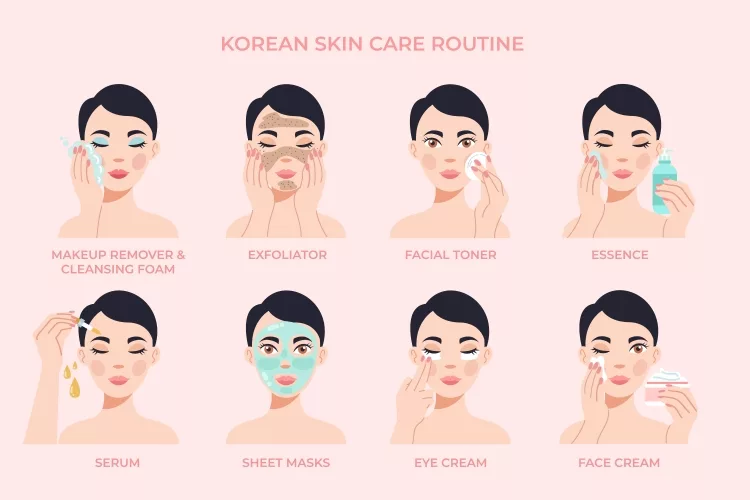
You've probably heard of the famous 10-step Korean skincare routine. It sounds overwhelming at first, but here's the truth — not every person needs all ten steps every single day. The real power of K-beauty is customization. You pick the steps that match your skin's current needs and skip the rest. Some mornings you might use five products. Some evenings you might use eight. The framework gives you options, not obligations.
This guide breaks down each step in order, explains why it matters, and helps you figure out where to spend your money and where to save. By the end, you'll have a clear roadmap for building your own Korean beauty skincare routine guide that fits your budget, your schedule, and your skin goals.
Contents
- Why Korean Skincare Stands Apart
- Your Complete Korean Beauty Skincare Routine Guide
- Building a Long-Term K-Beauty Strategy
- Best Practices for Every Skin Type
- K-Beauty Myths That Need to Go
- How Much Does a Korean Skincare Routine Actually Cost?
- Beginner vs. Advanced Routines
- Adapting Your Routine for Common Skin Concerns
- Frequently Asked Questions
- Final Thoughts
Why Korean Skincare Stands Apart
Korean skincare didn't become a global phenomenon by accident. The culture around skin health in South Korea runs deep — clear skin is considered a sign of overall wellness, not just vanity. This cultural priority drives intense competition among brands, which means constant innovation and surprisingly affordable prices for high-quality formulas.
The Philosophy Behind the Layers
Western skincare tends to focus on treating problems after they appear. Korean skincare flips that script. The entire approach is built around maintaining your skin's barrier and keeping it hydrated so problems don't develop in the first place. Each layer in the routine serves a specific purpose, and products are designed to work together rather than fight each other.
The layering system follows a simple rule: apply products from thinnest to thickest consistency. Watery products go first because they absorb quickly. Heavier creams and oils go last to seal everything in. This method ensures each active ingredient reaches your skin without being blocked by a thicker product sitting on top of it.
Ingredients You Won't Find Elsewhere
Korean formulations regularly feature ingredients like snail mucin (a glycoprotein that promotes cell repair), centella asiatica (a plant extract that calms inflammation), and fermented rice water. According to the Wikipedia overview of Korean beauty, these ingredients have roots in centuries-old traditions that modern science has validated. You'll also find galactomyces, propolis, and mugwort across dozens of K-beauty product lines.
Your Complete Korean Beauty Skincare Routine Guide
Here's where the rubber meets the road. This section walks you through all ten steps of a full Korean beauty skincare routine guide, from the first cleanse to the last drop of sunscreen. Remember — you don't have to do every step every day. Think of this as a menu, not a mandate.
Step 1: Oil Cleanser
Your evening routine starts here. Oil cleansers dissolve makeup, sunscreen, and the oily grime that builds up throughout the day. Massage the oil cleanser onto dry skin for about 60 seconds, then add water to emulsify it into a milky texture before rinsing. This step is the first half of the famous "double cleanse" method that makes K-beauty so effective.
Step 2: Water-Based Cleanser
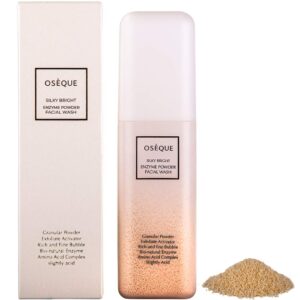
The second cleanse catches everything the oil missed — sweat, dirt, and any remaining residue. Use a gentle foam or gel cleanser with a low pH (between 5.0 and 6.0) to avoid stripping your skin's natural moisture barrier. If you have dry or sensitive skin, check out some of the best Korean water-based cleansers that clean without that tight, squeaky feeling.
Step 3: Exfoliator (2-3 Times Per Week)
You don't exfoliate every day. Twice a week is plenty for most people, three times if your skin handles it well. Chemical exfoliants (AHAs and BHAs) are generally gentler than physical scrubs. BHAs like salicylic acid work inside your pores, making them great for oily or acne-prone skin. AHAs like glycolic acid work on the surface to brighten and smooth texture.
Step 4: Toner
Korean toners are nothing like the harsh, alcohol-heavy toners you might remember from the drugstore. K-beauty toners are hydrating. They rebalance your skin's pH after cleansing and prep it to absorb the products that follow. Pat the toner into your skin with your palms — don't use a cotton pad, which just wastes product. If you want targeted recommendations, explore the full benefits of using toners for your skin type.
![[KLAIRS] Supple Preparation Facial Toner Review](https://s.bestkoreanguide.com/static/user_img/wp-content/uploads/2019/12/KLAIRS-Supple-Preparation-Facial-Toner-238x300.jpg)
Step 5: Essence
Essence is the heart of any Korean skincare routine. It's a lightweight, watery formula packed with active ingredients — typically fermented extracts or hyaluronic acid — that boost hydration at a cellular level. Think of essence as the bridge between cleansing and treating. Pour a small amount into your palms and press it gently into your face. Your skin should feel plump and slightly dewy after this step.
Step 6: Serum or Ampoule
Serums and ampoules are your targeted treatment products. They contain higher concentrations of active ingredients like vitamin C, niacinamide, or retinol. Pick one based on your biggest skin concern. Brightening? Go with vitamin C. Fine lines? Retinol. Redness? Centella asiatica. You don't need multiple serums — one well-chosen product does the job.
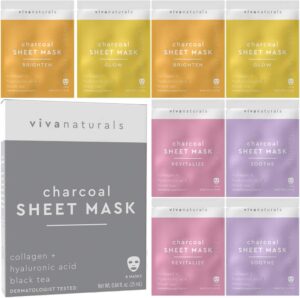
Step 7: Sheet Mask (2-3 Times Per Week)
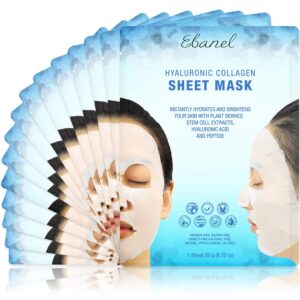
Sheet masks are the step that makes K-beauty feel like a spa experience. These single-use fabric masks soaked in serum deliver a concentrated dose of hydration and active ingredients in about 15-20 minutes. Use them after your serum on the nights you want extra nourishment. Don't leave them on until they dry out — that actually pulls moisture back out of your skin.
Step 8: Eye Cream
The skin around your eyes is thinner than anywhere else on your face. It loses moisture faster and shows signs of aging first. A dedicated eye cream with peptides or caffeine keeps that delicate area hydrated and helps reduce puffiness and dark circles. Use your ring finger to tap the product gently around your orbital bone. If you're wondering about timing, here's a helpful guide on when to start using eye cream.
Step 9: Moisturizer
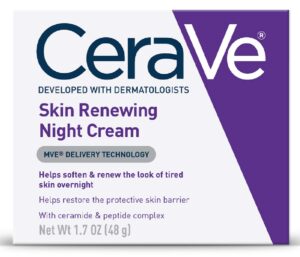
Your moisturizer locks in all the layers beneath it. For daytime, choose a lighter gel or lotion formula. For nighttime, go with a richer cream that works while you sleep. The goal isn't to add oil — it's to prevent water loss. Look for ingredients like ceramides, squalane, or shea butter that strengthen your moisture barrier.
Step 10: Sunscreen (Morning Only)
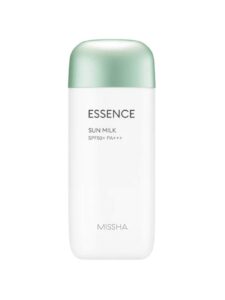
Sunscreen is the single most important step in your morning routine. UV damage causes up to 80% of visible skin aging, and no amount of serums or essences can undo that. Korean sunscreens are famously lightweight and cosmetically elegant — they absorb quickly, leave no white cast, and often double as a makeup primer. Apply generously as the final step before makeup, and reapply every two hours if you're outdoors.
Building a Long-Term K-Beauty Strategy
The biggest mistake people make is buying ten products at once and starting everything on the same day. If your skin reacts badly, you have no idea which product caused it. Introduce one new product every two weeks. This gives your skin time to adjust and lets you isolate what works and what doesn't.
Seasonal Adjustments
Your skin changes with the seasons, and your routine should too. In humid summer months, swap your heavy cream for a gel moisturizer and use a lighter essence. In dry winter months, add an extra hydrating layer — a sleeping mask or facial oil — to combat moisture loss from indoor heating. Pay attention to how your skin feels rather than blindly following the same routine all year.
Tracking Your Progress
Take a photo of your bare face in the same lighting every two weeks. It's hard to notice gradual changes in the mirror, but side-by-side photos tell the real story. Most people see noticeable improvements in hydration within the first week and meaningful changes in texture and clarity within 4-6 weeks of consistent use.
Pro tip: Write down which products you used and any skin changes you notice each week. A simple notes app on your phone works — you don't need a fancy tracker. This makes troubleshooting breakouts much easier.
Best Practices for Every Skin Type
Regardless of your skin type, certain rules apply across the board. These habits will make or break your results.
The Non-Negotiables
Always cleanse before bed — sleeping in makeup accelerates aging and clogs pores. Always use sunscreen in the morning, even on cloudy days. Always patch test new products on your jaw or behind your ear before applying them to your whole face. And always apply products on slightly damp skin. Damp skin absorbs active ingredients up to 10 times more effectively than dry skin.
Layering Order Matters
The thin-to-thick rule is sacred. If you put a heavy cream on before your essence, that essence can't penetrate through the occlusive layer. Water-based products first, oil-based products last. If two products have similar consistency, apply the one with the lower pH first — actives like vitamin C (pH around 3.5) go before niacinamide (pH around 5-6).
K-Beauty Myths That Need to Go
There's a lot of bad information floating around about Korean skincare. Let's clear up the most common misconceptions so you don't waste time or money on things that don't matter.
Myth: You Must Do All 10 Steps
Absolutely not. The 10-step routine is a framework showing you what's available. Most Korean women use 4-6 products daily and adjust based on what their skin needs that particular day. More steps don't automatically mean better results. Using the right products for your specific concerns matters far more than hitting a certain number.
Myth: K-Beauty Is Only for Women
South Korea has the largest men's skincare market in the world per capita. Korean men spend an average of $40+ per month on grooming products. Good skin has nothing to do with gender — it's basic self-care that benefits everyone.
Myth: Natural Ingredients Are Always Better
Snail mucin, bee venom, and volcanic ash are popular K-beauty ingredients, and they work well. But "natural" doesn't automatically mean safe or effective, and "synthetic" doesn't mean harmful. Niacinamide is synthetic. Hyaluronic acid is lab-produced. Both are among the most effective skincare ingredients in existence. Judge products by their results, not their origin story.
How Much Does a Korean Skincare Routine Actually Cost?
One of the best things about K-beauty is that effective products exist at every price point. You don't need to spend a fortune to get great results. Here's a realistic breakdown of what a full routine costs at different budget levels.
| Step | Budget Pick | Mid-Range | Premium |
|---|---|---|---|
| Oil Cleanser | $8–$12 | $15–$22 | $28–$40 |
| Water Cleanser | $6–$10 | $12–$18 | $20–$35 |
| Exfoliator | $8–$12 | $15–$25 | $30–$45 |
| Toner | $7–$12 | $14–$22 | $25–$40 |
| Essence | $10–$15 | $18–$30 | $35–$60 |
| Serum/Ampoule | $10–$16 | $20–$35 | $40–$75 |
| Sheet Masks (10-pack) | $8–$12 | $15–$25 | $30–$50 |
| Eye Cream | $8–$14 | $18–$28 | $35–$55 |
| Moisturizer | $8–$14 | $16–$28 | $30–$50 |
| Sunscreen | $8–$14 | $15–$25 | $28–$42 |
| Total | $81–$131 | $158–$258 | $301–$492 |
These products typically last 2-3 months each, so your monthly cost is roughly a third of the totals above. A budget Korean skincare routine runs you about $30-$45 per month — less than most people spend on coffee. For affordable product recommendations, check out the best affordable Korean skincare products that deliver real results without breaking the bank.
Where to Splurge and Where to Save
Spend more on products that stay on your skin — serums, essences, and sunscreen. Save money on products that wash off — cleansers and exfoliators. A $7 cleanser from COSRX works just as well as a $30 one from a luxury brand because it's on your face for 60 seconds before going down the drain.
Beginner vs. Advanced Routines
You don't need to jump into the deep end on day one. Here's how to scale your routine based on your experience level and comfort.
The Starter Routine (4 Steps)
If you're brand new to K-beauty, start with just four products: a gentle water-based cleanser, a hydrating toner, a moisturizer, and sunscreen. That's it. Master the basics for at least a month before adding anything else. These four steps alone will improve your skin noticeably if you've been using harsh Western products or no routine at all.
The Intermediate Routine (6-7 Steps)
Once your skin is comfortable with the basics, add an oil cleanser for your evening double cleanse, an essence for deeper hydration, and a serum targeting your main concern. This is where most people land long-term. It's thorough without being time-consuming — your morning routine takes about 5 minutes, and your evening routine takes about 10.
The Full Routine (8-10 Steps)
The advanced routine adds exfoliation, sheet masks, and eye cream to your lineup. This level makes sense if you're dealing with specific concerns like hyperpigmentation, fine lines, or persistent acne. It also makes sense if you genuinely enjoy the ritual — many K-beauty enthusiasts find their evening routine to be a relaxing form of self-care rather than a chore.
Adapting Your Routine for Common Skin Concerns
The core routine stays the same, but the products you choose within each step should match your specific concerns. Here's how to customize your Korean beauty skincare routine guide for the most common skin issues.
Oily and Acne-Prone Skin
Focus on lightweight, water-based formulas. Use a BHA exfoliant (salicylic acid) 2-3 times weekly to keep pores clear. Choose gel moisturizers over creams. Skip heavy sleeping masks. Your sunscreen should be a matte or semi-matte formula. Tea tree, centella, and mugwort are your best friends for calming active breakouts without over-drying.
Dry and Dehydrated Skin
Layer hydration aggressively. Use the "7-skin method" — patting on up to seven thin layers of toner — on nights when your skin feels especially parched. Look for ceramides, hyaluronic acid, and squalane across multiple steps. Your moisturizer should be a rich cream, and adding a sleeping mask 2-3 times per week provides an extra overnight moisture boost.
Sensitive and Reactive Skin
Keep your routine minimal and fragrance-free. Avoid products with essential oils, artificial fragrances, or alcohol (denatured alcohol — fatty alcohols like cetearyl are fine). Centella asiatica, madecassoside, and aloe vera are proven soothers. Always patch test for 48 hours before introducing anything new, and never add two new products in the same week.

Frequently Asked Questions
How long does a full Korean skincare routine take?
A morning routine with 4-5 steps takes about 5 minutes. An evening routine with 7-8 steps takes 10-15 minutes, not counting sheet mask time. Most wait times between steps are only 30-60 seconds while each layer absorbs.
Can I mix Korean skincare products with Western brands?
Yes, you can absolutely mix and match. The layering principles stay the same regardless of where a product comes from. Apply thin textures before thick ones and water-based formulas before oil-based ones. Many people use a Korean toner and essence alongside a Western serum with great results.
Do I need to do all 10 steps every day?
No. The 10-step routine is a complete toolkit, not a daily requirement. Most people use 4-6 steps daily and reserve extras like sheet masks and exfoliators for 2-3 times per week. Listen to your skin and adjust.
What age should I start a Korean skincare routine?
Basic skincare — cleanser, moisturizer, and sunscreen — should start in your teens. You can begin adding targeted treatments like essences and serums in your early to mid-20s. Prevention is always easier than correction, so starting earlier gives you a long-term advantage.
Is Korean skincare safe for sensitive skin?
Many K-beauty brands specifically formulate for sensitive skin with minimal ingredients and no fragrance. Brands like Klairs, Soon Jung by Etude, and Dr. Jart+ Ceramidin line are designed for reactive skin types. Always patch test and introduce products one at a time.
How long before I see results from a K-beauty routine?
You'll notice improved hydration within the first week. Texture and brightness improvements typically appear within 3-4 weeks. Significant changes in acne scarring, hyperpigmentation, or fine lines take 6-12 weeks of consistent use because skin cell turnover takes roughly 28 days.
Should I use the same routine morning and night?
Your morning and evening routines should differ. Morning focuses on protection — lighter products plus sunscreen. Evening focuses on repair — double cleansing, treatment serums, and richer moisturizers. Skip sunscreen at night and skip the oil cleanser in the morning.
Can men follow a Korean skincare routine?
Absolutely. Skin is skin regardless of gender. Men may want to add a post-shave soothing step using a centella or aloe-based toner. Korean men's skincare is a massive market, and many mainstream K-beauty products are formulated to be gender-neutral.
Final Thoughts
You now have everything you need to build a Korean beauty skincare routine that actually works for your skin, your schedule, and your budget. Start with the four essentials — cleanser, toner, moisturizer, and sunscreen — and add one new product every two weeks as you learn what your skin responds to best. Pick one concern to tackle first, grab a starter product tonight, and give your skin the consistent care it deserves. Your future self will thank you for starting today.


About Austin Park
Austin Park is a Korean beauty enthusiast and product researcher who has spent years studying the K-beauty industry — tracking ingredient trends, comparing formulations, and evaluating how Korean skincare and cosmetic brands perform for a wide range of skin types. His research-driven approach to product evaluation focuses on ingredient lists, brand transparency, and real-world results rather than marketing claims. At BestKoreanGuide, he covers Korean skincare routines, product reviews, and ingredient guides for readers building their first K-beauty routine or expanding an existing one.
You can get FREE Gifts. Or latest Free phones here.
Disable Ad block to reveal all the info. Once done, hit a button below