You can remove lipstick stains from clothes using common household items you probably already have — rubbing alcohol, dish soap, or even hairspray. The key is acting fast and using the right method for your fabric type. Whether you smudged your favorite K-beauty lip tint on a white blouse or found a bold red mark on your collar, don't panic. That stain isn't permanent. If you're into Korean beauty and want to keep your skincare and beauty routine flawless from face to fashion, knowing how to handle lipstick accidents is a must.
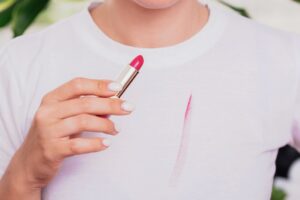
Lipstick is essentially a mix of oils, waxes, and pigments. That's what makes it cling to your lips all day — and unfortunately, to your clothes too. The oily base sets into fabric fibers quickly, so the sooner you treat it, the better your results. Different formulas (matte, glossy, long-wear) respond to different cleaning approaches, which is why a one-size-fits-all method rarely works.
Below, you'll find a complete breakdown of every proven removal method, which fabrics they work on, and when to skip the DIY route entirely. Let's save your clothes.
Contents
When to Treat at Home and When to Go to the Cleaners
Not every lipstick stain deserves the same treatment. Some you can tackle in your kitchen. Others need professional help. Knowing the difference saves you from ruining a good garment.
Stains You Can Handle Yourself
You're safe to remove lipstick stains from clothes at home when:
- The fabric is machine-washable cotton, polyester, or a cotton blend
- The stain is fresh (less than a few hours old)
- You haven't already thrown it in the dryer — heat sets stains permanently
- The garment isn't labeled "dry clean only"
Fresh stains on everyday fabrics respond well to rubbing alcohol, dish soap, or even white toothpaste. The pigment hasn't fully bonded yet, so you have a real advantage.
When DIY Will Make It Worse
Take it to a professional cleaner if:
- The fabric is silk, velvet, wool, or anything with a "dry clean only" label
- The stain has been heat-set by a dryer cycle
- You've already tried multiple methods and the stain is spreading
- The garment is expensive or has sentimental value
Pro tip: If you're unsure about a fabric, test your cleaning solution on a hidden seam or inner hem first. Wait 10 minutes and check for discoloration before going all-in on the stain.
Removal Methods Compared at a Glance
Here's a quick comparison of the most popular ways to remove lipstick stains from clothes. Each method has different strengths depending on fabric type and stain age.
| Method | Best For | Effectiveness | Cost | Risk to Fabric |
|---|---|---|---|---|
| Rubbing Alcohol | Cotton, polyester | High | Low | Low |
| Dish Soap | Most washable fabrics | Medium-High | Low | Very Low |
| Hairspray | Fresh stains on cotton | Medium | Low | Low |
| White Toothpaste | Light-colored fabrics | Medium | Low | Low |
| Commercial Stain Remover | Set-in stains, all fabrics | High | Medium | Low-Medium |
| Professional Dry Cleaning | Silk, wool, delicates | Very High | High | Very Low |
Method-by-Method Breakdown
Let's dig into the top three household methods:
- Rubbing alcohol (isopropyl alcohol): Dab it onto the stain with a cotton ball. The alcohol dissolves the waxy, oily base of lipstick. Blot — don't rub — from the outside of the stain inward to prevent spreading.
- Dish soap: Apply a small drop directly to the stain. Work it in gently with your fingers or a soft toothbrush. Dish soap is designed to cut through grease, which is exactly what lipstick contains.
- Hairspray: Spray directly onto the stain and let it sit for 10 minutes. The alcohol content in hairspray helps break down the pigment. This works best on fresh stains.
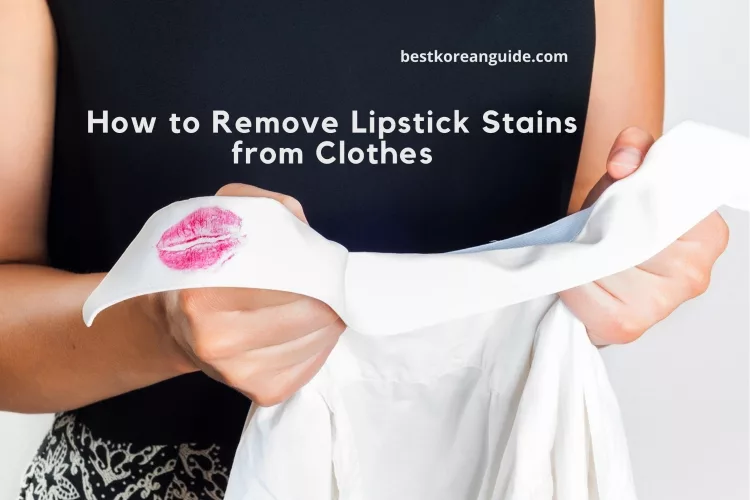
Best Picks by Fabric Type
- Cotton and cotton blends: Rubbing alcohol or dish soap — both are safe and effective
- Polyester: Dish soap followed by a warm water rinse
- Denim: Rubbing alcohol works great; denim is tough enough to handle it
- Silk and delicates: Professional cleaning only — home methods risk water spots and fiber damage
- Wool: Cold water and a very gentle dish soap dab, then professional cleaning for anything stubborn
Pros and Cons of Each Approach
Every stain removal method has trade-offs. Here's an honest look at what you're getting into with each one.
Household Solutions
Pros:
- Cheap — you already own most of these products
- Immediate — no waiting for store hours or shipping
- Gentle enough for most everyday fabrics
- Multiple options mean you can try a different method if the first one doesn't work
Cons:
- Less effective on set-in or heat-dried stains
- Risk of spreading the stain if you rub instead of blot
- Hairspray formulas vary — some don't contain enough alcohol to work
- Results depend heavily on lipstick formula (long-wear is tougher)
Speaking of beauty products, if you're wearing Korean BB cream along with your lipstick, you might deal with foundation transfer stains too. The same dish soap method works well for those.
Commercial Stain Removers
Pros:
- Formulated specifically for tough stains
- Work on a wider range of fabric types
- Better success rate on older stains
Cons:
- Cost more than household items
- Some contain harsh chemicals that can fade colors
- You need to read labels carefully for fabric compatibility
Simple Fixes vs. Deep Stain Rescue
Your approach should match the severity of the stain. A fresh smudge needs a completely different strategy than a stain that survived a wash cycle.
The 5-Minute Quick Fix
For fresh lipstick stains, follow these steps:
- Scrape off any excess lipstick with a butter knife or the edge of a credit card. Be gentle — you're lifting, not pushing it deeper.
- Place the stained area face-down on a clean paper towel or white cloth.
- Apply rubbing alcohol to the back of the stain. This pushes the pigment out through the front and onto the paper towel.
- Blot repeatedly, moving to a clean section of the paper towel each time.
- Rinse with cold water and check your progress. Repeat if needed.
- Wash normally according to the garment's care label.

Warning: Never put a stained garment in the dryer until you're sure the stain is completely gone. Heat from the dryer bonds the pigment to the fabric fibers permanently, making removal nearly impossible.
Advanced Treatment for Set-In Stains
If the stain has already dried or survived a wash, you'll need a more aggressive approach:
- Pre-treat with a solvent. Apply rubbing alcohol or a commercial pre-treatment spray directly to the stain. Let it soak for 15–20 minutes.
- Create a cleaning paste. Mix one tablespoon of dish soap with one tablespoon of white vinegar and a cup of warm water. Apply this mixture to the stain with a soft brush.
- Soak the garment. Submerge it in the solution for 30 minutes to an hour.
- Scrub gently. Use a soft-bristled toothbrush to work the solution into the stain in small circular motions.
- Rinse and inspect. Check the stain under good lighting. If color remains, repeat steps 1–4 before washing.
- Wash on the hottest setting safe for the fabric. Check the care label — according to the FTC's care label guidelines, the label tells you the maximum safe temperature.
For Korean long-wear lip tints — which are specifically designed to resist fading — you may need to repeat this process two or three times. Those formulas bond to fabric just like they bond to your lips.
Keeping Your Clothes Stain-Free Long Term
Removing stains is good. Preventing them is better. Here's how to protect your wardrobe while still enjoying your favorite lip products.
Prevention Tips
- Apply lipstick after getting dressed — this eliminates the most common transfer scenario (pulling shirts over your head)
- Use a setting spray or blotting tissue after application to reduce transfer
- Keep a stain removal pen in your purse for emergencies
- Wear a scarf or bandana when putting on tight-necked tops
- Blot your lips with a tissue after applying — this removes the excess that causes most stains
If you're building a full beauty routine alongside your wardrobe care, having the right Korean eyeliner that doesn't smudge helps too. Less transfer-prone makeup means fewer stain emergencies overall.
Smarter Lipstick Choices
Not all lipsticks are equal when it comes to staining risk:
- Matte liquid lips: Once fully dried, they transfer less than cream formulas. Best for stain prevention.
- Lip tints and stains: Lower transfer risk since they absorb into lips rather than sitting on top. But if they do get on fabric, the dye is harder to remove.
- Cream and glossy lipsticks: Highest transfer risk. The oils and waxes cling to everything they touch.
- Lip oils: Moderate transfer, but the stains are usually lighter and easier to treat.
Your best bet is a matte liquid lip that has fully dried before you get near your clothes. It's the most stain-resistant formula you can choose.
Frequently Asked Questions
Does hand sanitizer work to remove lipstick stains?
Yes, hand sanitizer can work in a pinch because it contains alcohol, which dissolves the oils in lipstick. Apply it to the stain, let it sit for a few minutes, then blot with a clean cloth. It's a decent emergency option when you don't have rubbing alcohol nearby.
Can you remove lipstick stains from clothes after washing and drying?
It's much harder, but not always impossible. Heat from the dryer sets the stain, so you'll need to repeat the rubbing alcohol and dish soap treatment multiple times. Soak the garment for at least 30 minutes between attempts. Success depends on the lipstick formula and fabric type.
Will bleach remove lipstick from white clothes?
Bleach can remove the pigment from white fabrics, but it should be your last resort. Try rubbing alcohol and dish soap first — they're gentler and usually effective enough. If you do use bleach, dilute it properly and never mix it with other cleaning products.
Why does lipstick stain clothes so badly?
Lipstick is a combination of oils, waxes, and concentrated pigments. The oils help it penetrate fabric fibers quickly, while the waxes make it resist water-based cleaning. The pigments are designed to be long-lasting and vibrant — qualities that work against you when they're on your shirt instead of your lips.
Is it safe to use rubbing alcohol on colored clothes?
Rubbing alcohol is generally safe for most colorfast fabrics, but you should always test it on a hidden area first. Apply a small amount to an inside seam, wait 10 minutes, and check for any color fading or bleeding. If the color holds, you're good to go.
Next Steps
- Grab rubbing alcohol and dish soap right now — keep both stocked in your laundry area so you're ready the moment a stain happens. Speed is your biggest advantage.
- Check your current wardrobe for untreated stains — if you've got clothes with old lipstick marks sitting in your closet, try the advanced soak-and-scrub method before giving up on them.
- Add a stain removal pen to your purse or bag — treating a stain within the first few minutes gives you the highest chance of complete removal, even when you're away from home.
- Switch to a matte liquid lip formula for days when you're wearing light-colored or delicate clothing — it's the easiest prevention strategy you can adopt today.


About Austin Park
Austin Park is a Korean beauty enthusiast and product researcher who has spent years studying the K-beauty industry — tracking ingredient trends, comparing formulations, and evaluating how Korean skincare and cosmetic brands perform for a wide range of skin types. His research-driven approach to product evaluation focuses on ingredient lists, brand transparency, and real-world results rather than marketing claims. At BestKoreanGuide, he covers Korean skincare routines, product reviews, and ingredient guides for readers building their first K-beauty routine or expanding an existing one.
You can get FREE Gifts. Or latest Free phones here.
Disable Ad block to reveal all the info. Once done, hit a button below