The COSRX Snail Mucin Peptide Eye Cream earns the top spot in 2026 — 73.7% snail secretion filtrate combined with peptides and niacinamide delivers measurable firming and brightening at a price that makes it impossible to overlook. Korean beauty has consistently led the global conversation on eye care and anti-aging skincare, and the eye cream category is where that innovation is most concentrated. The skin around your eyes is roughly ten times thinner than the rest of your face, which means it loses moisture faster, creases sooner, and reacts more intensely to irritating formulas — exactly why you can't just use your regular face moisturizer and call it done.
In 2026, the best Korean anti-aging eye creams are more sophisticated than ever. Formulators are layering fermented actives, plant-based retinol alternatives, and targeted peptide complexes into lightweight textures that don't migrate into your eyes or pill under makeup. Whether you're dealing with dark circles, puffiness, fine lines, or all three, there's a Korean formula engineered specifically for your concern. The seven products reviewed here were selected based on ingredient quality, clinical backing, texture compatibility across skin types, and real-world user results.
If you want a complete routine around these eye creams, pair them with one of the 9 Best Korean Eye Masks in 2026 for an intensive weekly treatment — the combination of a daily eye cream and a bi-weekly eye mask accelerates visible results significantly. Below you'll find the full breakdown, from our top picks to a buying guide covering every decision you need to make.

Contents
- Best Choices for 2026
- In-Depth Reviews
- COSRX Snail Mucin Peptide Eye Cream
- LANEIGE Water Bank Blue Hyaluronic Eye Cream
- SOME BY MI Retinol Intense Advanced Triple Action Eye Cream
- Sulwhasoo Concentrated Ginseng Rejuvenating Eye Cream
- innisfree Orchid Youth-Enriched Eye Cream
- SKIN1004 Centella Probio-Cica Bakuchiol Eye Cream
- BENTON Fermentation Eye Cream
- Buying Guide
- What People Ask
Best Choices for 2026
- #PreviewProductRating
- Bestseller No. 1
 Rating:

- Bestseller No. 2
 Rating:
 - Bestseller No. 3
 Rating:
 - Bestseller No. 4
 Rating:
 - Bestseller No. 5
 Rating:
 - Bestseller No. 6
 Rating:
 - Bestseller No. 7
 Rating:
In-Depth Reviews
1. COSRX Snail Mucin Peptide Eye Cream — Best Overall
COSRX built its reputation on snail mucin, and this eye cream shows exactly why. At 73.7% Snail Secretion Filtrate, you're getting a genuinely high active concentration — not a trace amount buried near the bottom of an ingredient list. Snail mucin works on multiple fronts simultaneously: it repairs the skin barrier, boosts hydration retention, and promotes cell turnover to fade hyperpigmentation from dark circles. The addition of 2% niacinamide amplifies the brightening effect, while a five-peptide complex plus adenosine targets firmness and fine line reduction directly.
What sets this apart from heavier eye creams is the lotion-like texture. It absorbs in seconds, leaves zero residue, and doesn't pill under concealer — a real-world benefit that matters if you wear makeup daily. You can also apply it beyond the eye area: smile lines, forehead creases, and neck all respond well. The formula is non-comedogenic and gentle enough for sensitive skin types. Results on fine lines and dark circles are typically visible within four to six weeks of consistent morning and evening use.
For anyone new to Korean eye care, this is the ideal starting point. It's versatile, forgiving on sensitive skin, and delivers on every major concern — firming, brightening, and hydration — without costing a fortune. If you want to understand more about how snail-based ingredients work across your full routine, the guide on Snail Cream: Benefits, Ingredients, and How to Choose the Right One is worth a read before you buy.
Pros:
- 73.7% snail secretion filtrate is among the highest concentrations available
- Lotion-like texture absorbs quickly with no stickiness or pilling
- Works on dark circles, puffiness, fine lines, and loss of firmness simultaneously
- Versatile — safe for smile lines, forehead, and neck as well
Cons:
- Snail mucin is not suitable for those with shellfish sensitivities (patch test recommended)
- The lightweight texture may feel insufficient to those who prefer richer eye creams
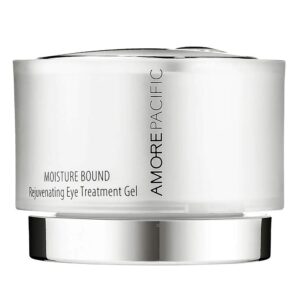
2. LANEIGE Water Bank Blue Hyaluronic Eye Cream — Best for Hydration
LANEIGE's Water Bank line is built around one concept: deep, sustained hydration. The blue hyaluronic acid in this eye cream isn't standard HA — it's fermented with deep-sea algae through a 10-step microfiltration process, which results in a molecule that absorbs faster and holds moisture longer than conventional hyaluronic acid. The immediate plumping effect is noticeable within minutes of application, and that hydration persists throughout the day rather than evaporating by midmorning.
Niacinamide provides the brightening action that combats dark circles, while caffeine energizes the under-eye tissue and helps reduce puffiness. The formula is lightweight enough for oily and combination skin but hydrating enough to satisfy dry skin types — a genuinely all-skin-type product, not just a marketing claim. LANEIGE is part of the AmorePacific Group, one of Korea's most research-intensive beauty conglomerates, and the science behind this formula reflects that investment.
The texture is somewhere between a gel and a cream — it glides on smoothly, absorbs without residue, and layers well under SPF or makeup. If dehydration is your primary concern — tight, crepey skin around the eyes or pronounced fine lines that worsen as the day goes on — this is the formula that addresses it most directly in 2026.
Pros:
- Fermented blue hyaluronic acid delivers faster, longer-lasting hydration
- Niacinamide + caffeine combination targets both dark circles and puffiness
- Suitable for all skin types including oily and combination
- Lightweight gel-cream texture layers beautifully under makeup
Cons:
- Higher price point than some competitors in this category
- Fragrance-sensitive users should check the ingredient list carefully
3. SOME BY MI Retinol Intense Advanced Triple Action Eye Cream — Best for Fine Lines
Retinol is the gold standard for wrinkle reduction, and SOME BY MI delivers it specifically formulated for the delicate eye area. This cream combines both Retinol and Retinal — two forms of Vitamin A that work at different speeds. Retinal converts to retinoic acid faster than standard retinol, meaning you get quicker visible results while the retinol provides sustained long-term renewal. The brand completed six anti-aging tests and reported effective results in just two weeks, with specific improvements noted in dark circle reduction.
To prevent the dryness and irritation that retinol can cause around thin eye skin, SOME BY MI balanced the formula with plant-based collagen, peptides for skin lifting, and enough moisturizing agents to keep the barrier intact. The formula is hypoallergenic and free of 20 categories of potentially irritating ingredients — a meaningful commitment for a retinoid product targeting sensitive periorbital skin. Niacinamide (Vitamin B3) rounds out the active stack by improving the barrier, reducing redness, and evening out skin tone.
This is the right choice if crow's feet and fine lines are your dominant concern. The dual retinoid approach accelerates cell turnover more efficiently than a single-retinol formula, and the supporting actives mean you won't experience the peeling and tightness associated with stronger retinoid treatments. Use it at night only, and always follow with SPF in the morning.
Pros:
- Dual Retinol + Retinal combination for faster and more complete wrinkle reduction
- Clinical testing showed visible results in two weeks
- Hypoallergenic and free of 20 irritating ingredient categories
- Non-drying despite active retinoid concentration
Cons:
- Nighttime use only — retinoids increase sun sensitivity
- May be too active for very sensitive skin during initial weeks of use
4. Sulwhasoo Concentrated Ginseng Rejuvenating Eye Cream — Best Luxury Pick
Sulwhasoo is Korea's premier luxury skincare house, and this ginseng eye cream is one of its flagship products. The formula centers on Ginsenomics — a proprietary ginseng active complex developed by AmorePacific's research division — combined with retinol and a ginseng-derived peptide. Together, these three actives address visible aging through different but complementary mechanisms: ginseng stimulates circulation and radiance, retinol accelerates cell renewal, and the peptide reinforces firmness at the structural level.
Sulwhasoo conducted instrumental testing on 31 women with daily use and documented improvements in puffiness, wrinkles, dark circles, and firmness after four weeks. The texture is a rich balm that melts into the skin on contact — luxurious to apply, immediately comfortable, and completely absorbed with no greasiness. The application method matters here: dot across the under-eye area and gently pat in a semi-circular motion from inner corner to outer edge, morning and evening. This patting technique prevents the tugging that accelerates fine line formation.
This is an investment purchase. You're paying for decades of ginseng research, clinical validation, and one of the most refined formulations in Korean beauty. If budget is a constraint, the COSRX option delivers strong results for a fraction of the price — but if you want the best that Korean luxury skincare offers for aging eye skin in 2026, this is it. According to Wikipedia's overview of Panax ginseng, the plant's ginsenosides have been studied for antioxidant and anti-inflammatory properties that make them well-suited to anti-aging applications.
Pros:
- Proprietary Ginsenomics complex backed by AmorePacific's research division
- Triple active approach: ginseng + retinol + ginseng peptide
- Clinical data showing visible improvement in four weeks of daily use
- Rich balm texture that absorbs completely without greasiness
Cons:
- Premium price point is among the highest in this list
- Small 0.50 fl. oz. size means it runs out faster than competitors
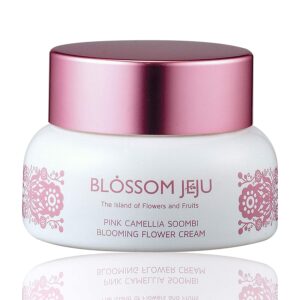
5. innisfree Orchid Youth-Enriched Eye Cream — Best for Brightening
innisfree draws on the botanical richness of Jeju Island, and the orchid at the center of this formula is a compelling active. The brand's proprietary Orchidelixir complex — derived from Jeju orchid — is loaded with antioxidants that protect delicate eye skin from environmental damage while revitalizing its texture and radiance. Niacinamide handles the brightening work on dark circles, while caffeine reduces puffiness and plant-based hyaluronic acid provides the hydration base that keeps the skin plump and elastic.
The application is simple: a pea-sized amount applied around the entire eye area with your ring finger, patting gently rather than rubbing. The ring finger technique is ideal because it naturally applies the least pressure of any finger — an important detail for tissue this delicate. Use both morning and evening for best results. The texture is smooth and creamy without feeling heavy, making it comfortable under eye makeup during the day and nourishing enough to support overnight repair.
innisfree positions this as a daily revitalizing formula, and that description is accurate. It's not the most aggressive anti-aging treatment on this list, but it's genuinely effective for brightening and maintaining the health of the eye area over time. For anyone building a complete Korean anti-aging routine, pairing this with one of the options from the 10 Best Korean Night Moisturizers of 2026 creates a strong foundation for visible skin improvement.
Pros:
- Orchidelixir antioxidant complex provides meaningful environmental protection
- Niacinamide + caffeine + plant HA covers brightening, depuffing, and hydration
- Smooth texture works well under makeup throughout the day
- Jeju-sourced botanicals are a differentiator from standard formulas
Cons:
- Less intensive for deep wrinkles compared to retinoid-based options
- Results build gradually — immediate brightening is subtle
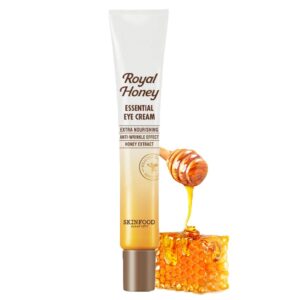
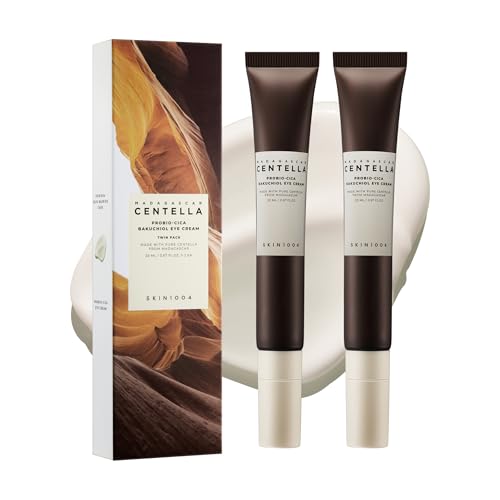
6. SKIN1004 Centella Probio-Cica Bakuchiol Eye Cream — Best for Sensitive Skin
Bakuchiol is having a significant moment in 2026, and for good reason. This plant-derived compound from the Psoralea corylifolia seed delivers retinol-comparable anti-aging benefits — improved elasticity, reduced fine lines, increased cell turnover — without the irritation, dryness, or sun sensitivity that retinoids cause. SKIN1004's formula makes bakuchiol the central active, supported by fermented Centella Asiatica and ceramides for barrier reinforcement, and low-molecular collagen plus hyaluronic acid for deep hydration in thin periorbital skin.
The centella component is particularly important here. Fermented cica provides soothing and healing properties that make this formula genuinely appropriate for reactive and sensitive skin — not just marketed that way. The ceramides strengthen the moisture barrier around the eye area, which is often the first to become compromised by harsh cleansers, environmental stress, or over-exfoliation. Using this eye cream consistently helps maintain that barrier and prevents the accelerated moisture loss that leads to crepey texture and pronounced fine lines.
The 20ml size is compact but concentrated — a little goes a long way. This is a strong choice for anyone who has experienced irritation or flaking from retinol eye creams in the past and wants the anti-aging benefits without the side effects. It's also an excellent option for those with rosacea or chronic sensitivity around the eye area.
Pros:
- Bakuchiol provides retinol-level anti-aging results without irritation or sun sensitivity
- Fermented centella + ceramides make this genuinely safe for reactive skin
- Low-molecular collagen and HA deliver hydration to thin eye skin effectively
- Safe for daytime use — no retinoid restrictions apply
Cons:
- Results build more slowly than retinol-based formulas
- 20ml jar size is smaller than most competitors at similar price points
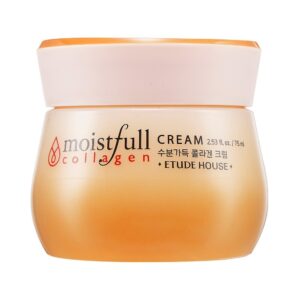
7. BENTON Fermentation Eye Cream — Best Fermented Formula
BENTON's Fermentation Eye Cream is a study in the power of fermented skincare. The formula stacks three distinct fermented ingredients — Galactomyces Ferment Filtrate, Bifida Ferment Lysate, and Lactobacillus/Collagen Ferment Filtrate — each contributing a different mechanism to overall skin health. Galactomyces filtrate became famous when researchers noticed that sake brewery workers had remarkably smooth, youthful hands despite years of manual labor. It delivers enzymes, amino acids, and vitamins that firm skin and improve radiance. Bifida ferment supports cellular regeneration and strengthens the skin barrier. The lactobacillus-fermented collagen micro-collagen provides elasticity.
Together, these three ferments create a comprehensive renewal and protection environment for the eye area. This new version of the formula has been refined based on user feedback, with improved texture and absorption compared to earlier iterations. The cream applies smoothly, absorbs fully, and supports the skin's natural microbiome — an increasingly recognized factor in how well skin ages and how resilient it remains against environmental damage.
Fermented formulas are particularly effective for skin that has become sensitized or compromised over time. If you've been using harsh actives for years or live in a heavily polluted urban environment, the barrier-strengthening and regenerative properties of this formula are especially relevant. It works beautifully as a nighttime recovery treatment alongside a vitamin C serum in the morning routine.
Pros:
- Triple fermented active stack covers firming, barrier repair, and elasticity together
- Galactomyces filtrate is one of the most researched fermented ingredients in K-beauty
- Supports skin microbiome health — a meaningful benefit for aging skin
- Works well for both anti-aging and sensitized skin recovery
Cons:
- Fermented ingredients have a distinct mild scent that some users notice
- Results on dark circles are more gradual compared to niacinamide-forward formulas
Buying Guide: How to Choose the Best Korean Anti Aging Eye Cream
Match the Formula to Your Primary Concern
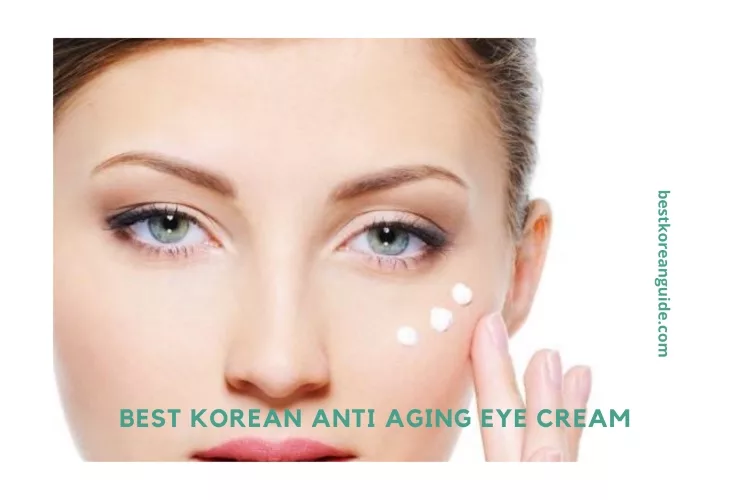
Eye creams are not one-size-fits-all — the best results come when you match the active ingredients to your specific concern rather than choosing by brand or price alone. For dark circles, look for niacinamide, vitamin C derivatives, or caffeine as the lead actives. Niacinamide inhibits melanin transfer; caffeine constricts blood vessels that cause bluish discoloration; both improve the appearance of under-eye darkness from different mechanisms. For fine lines and wrinkles, retinol, retinal, or bakuchiol are the most clinically validated choices — retinoids accelerate cell turnover while bakuchiol delivers similar results without the irritation risk. For puffiness and fluid retention, caffeine and peptides address the microcirculation and structural factors driving under-eye swelling. For loss of firmness and elasticity, peptide complexes, ginseng actives, and fermented collagen provide the most direct structural support.
Most people have more than one concern, which is why the formulas on this list are multi-active. Prioritize your primary issue but look for formulas that also address secondary concerns without overwhelming the formula with too many competing actives.
Understand Your Skin Type and Sensitivity Level
The periorbital skin is uniquely thin and reactive, which means your skin type matters more here than anywhere else on your face. If you have oily or combination skin, choose gel-cream or lotion textures that absorb quickly and don't add congestion around the eye. LANEIGE Water Bank and COSRX Snail Mucin are ideal here. If you have dry skin, a richer cream base — like Sulwhasoo's balm-weight texture — provides the sustained moisture your eye area needs without over-application. For sensitive or reactive skin, bakuchiol-based and fermented formulas (SKIN1004, BENTON) are the safest entry points, avoiding the irritation risk of retinoids and the potential sensitization of high-fragrance formulas.
Always patch test a new eye cream on the inner wrist before applying around your eyes. Reactions in the eye area — stinging, swelling, redness — are more uncomfortable and take longer to resolve than reactions elsewhere on the face.
Evaluate Texture and Application Compatibility
Eye cream texture affects not just comfort but how well the product fits into your existing routine. If you wear under-eye concealer daily, you need a formula that absorbs fully and doesn't pill when layered with makeup. Lighter lotion and gel-cream textures perform best under cosmetics — test on the back of your hand first with your usual concealer to check for compatibility. Richer balm textures are better suited to nighttime use when there's no makeup layering concern. The order of application also matters: eye cream goes after serums and before moisturizer, applied with the ring finger using gentle patting motions — never rubbing or pulling, which stresses the tissue and accelerates fine line formation over time.
Assess Active Concentration and Clinical Evidence
Korean beauty brands are generally transparent about active concentrations, and that transparency is one reason to prioritize them over many Western drugstore options. When a brand states 73.7% snail secretion filtrate (COSRX) or 2% niacinamide specifically, you can evaluate efficacy against clinical literature rather than guessing. Look for brands that provide testing data — number of participants, duration, and measured outcomes — rather than vague claims. A four-week instrumental test on 31 women (Sulwhasoo) is a meaningful data point; a general claim of "visibly firms" with no backing is not. The best formulas in 2026 combine transparent labeling, clinically studied actives, and peer-reviewed ingredient science. Check the full ingredient list on the brand's website before purchasing, particularly if you have known sensitivities to specific actives or botanical extracts.
![[Goodal] Moisture Barrier Fresh Eye Cream Reviews And User Guide](https://s.bestkoreanguide.com/static/user_img/wp-content/uploads/2020/08/Goodal-Moisture-Barrier-Fresh-Eye-Cream-reviews-and-user-guide-300x300.jpg)
What People Ask
Do I really need a separate eye cream, or can I use my regular moisturizer?
The skin around your eyes is thinner, more delicate, and more prone to sensitivity than the rest of your face. Regular moisturizers are formulated for thicker facial skin and often contain actives — retinols, AHAs, fragrances — at concentrations that cause stinging, puffiness, or milia when used close to the eyes. A dedicated eye cream uses a lower-irritant vehicle and targets the specific concerns of periorbital skin — dark circles, puffiness, fine lines — that a general moisturizer doesn't address. Use both; they serve different purposes.
How long does it take to see results from a Korean eye cream?
Hydration and puffiness reduction are visible within days of starting consistent use. Dark circle improvement typically takes four to six weeks of twice-daily application. Visible reduction in fine lines and firming results from peptide or retinoid formulas generally requires six to twelve weeks of regular use. The SOME BY MI Retinol formula showed clinical results in two weeks in testing, but individual results vary based on skin condition, age, and consistency of application. Give any eye cream at least one full jar before evaluating whether it's working for you.
Can I use an eye cream with retinol during the day?
Retinol and retinal-based eye creams should be used at night only. Retinoids are photo-unstable — UV exposure breaks them down and reduces efficacy — and they also increase the skin's sensitivity to sun damage. The SOME BY MI retinol formula and the Sulwhasoo ginseng cream (which contains retinol) are both nighttime products. Bakuchiol-based options like the SKIN1004 formula have no such restriction and are safe for morning or evening use. Always apply broad-spectrum SPF the morning after using a retinoid-containing eye cream.
What is the correct way to apply eye cream?
Use your ring finger — it naturally applies the least pressure of any finger, protecting the fragile under-eye tissue. Dot a rice-grain amount along the orbital bone, starting from the inner corner and moving outward. Pat gently rather than rubbing or dragging. Avoid applying product directly onto the lash line or the moving lid, where it can migrate into the eye and cause irritation. Apply eye cream after your serum and before your moisturizer, and allow 30 to 60 seconds for absorption before layering anything on top.
Are Korean eye creams safe for all skin types?
Yes — the seven creams reviewed here are formulated for broad compatibility. LANEIGE Water Bank specifically lists normal, dry, combination, and oily skin as suitable types. The SKIN1004 Bakuchiol and BENTON Fermentation formulas are designed with sensitive and reactive skin in mind. The key variable is individual ingredient sensitivities, particularly to snail mucin (shellfish sensitivity), fermented ingredients (occasional reactions), or retinoids (irritation, especially for retinoid-naive skin). Always patch test a new eye cream before full application, and introduce retinoid formulas gradually — every other night for the first two weeks.
What is the difference between an eye cream and an eye gel?
Eye gels have a water-based, lightweight texture that absorbs quickly and provides immediate cooling and depuffing effects — best for oily skin, morning use, or when puffiness is the primary concern. Eye creams have a richer, more occlusive base that delivers sustained moisture and is better suited for dry skin, nighttime use, or when fine lines and loss of firmness are the primary concern. Some Korean formulas, including LANEIGE Water Bank, sit between the two with a hybrid gel-cream texture that works for multiple skin types and times of day. Your choice should match your skin type and the time of day you're applying it.
Buy on Walmart
- COSRX Snail Mucin Peptide Under Eye Cream, 0.84 fl oz, 73.7% — Walmart Link
- LANEIGE Water Bank Blue Hyaluronic Eye Cream: Hydrating Eye — Walmart Link
- SOME BY MI Retinol Intense Advanced Triple Action Eye Cream — Walmart Link
- Sulwhasoo Concentrated Ginseng Rejuvenating Eye Cream- Korea — Walmart Link
- innisfree Orchid Youth-Enriched Eye Cream, Korean Firming Ey — Walmart Link
- SKIN1004 Centella Probio-Cica Bakuchiol Eye Cream, Korean Ey — Walmart Link
- BENTON Fermentation Eye Cream New Version (1.05 oz.) - Galac — Walmart Link
Buy on eBay
- COSRX Snail Mucin Peptide Under Eye Cream, 0.84 fl oz, 73.7% — eBay Link
- LANEIGE Water Bank Blue Hyaluronic Eye Cream: Hydrating Eye — eBay Link
- SOME BY MI Retinol Intense Advanced Triple Action Eye Cream — eBay Link
- Sulwhasoo Concentrated Ginseng Rejuvenating Eye Cream- Korea — eBay Link
- innisfree Orchid Youth-Enriched Eye Cream, Korean Firming Ey — eBay Link
- SKIN1004 Centella Probio-Cica Bakuchiol Eye Cream, Korean Ey — eBay Link
- BENTON Fermentation Eye Cream New Version (1.05 oz.) - Galac — eBay Link
The right Korean eye cream isn't the most expensive one — it's the one whose actives match your exact concern, applied consistently twice a day with your ring finger for at least six weeks.


About Austin Park
Austin Park is a Korean beauty enthusiast and product researcher who has spent years studying the K-beauty industry — tracking ingredient trends, comparing formulations, and evaluating how Korean skincare and cosmetic brands perform for a wide range of skin types. His research-driven approach to product evaluation focuses on ingredient lists, brand transparency, and real-world results rather than marketing claims. At BestKoreanGuide, he covers Korean skincare routines, product reviews, and ingredient guides for readers building their first K-beauty routine or expanding an existing one.
You can get FREE Gifts. Or latest Free phones here.
Disable Ad block to reveal all the info. Once done, hit a button below