You store makeup properly by keeping it in a cool, dry place away from direct sunlight, with products organized by type and frequency of use. Learning how to store makeup the right way extends the life of your favorite products by months or even years, saving you money and protecting your skin from bacteria buildup. Whether you have a modest collection of everyday essentials or an overflowing vanity full of palettes and brushes, the storage principles stay the same.
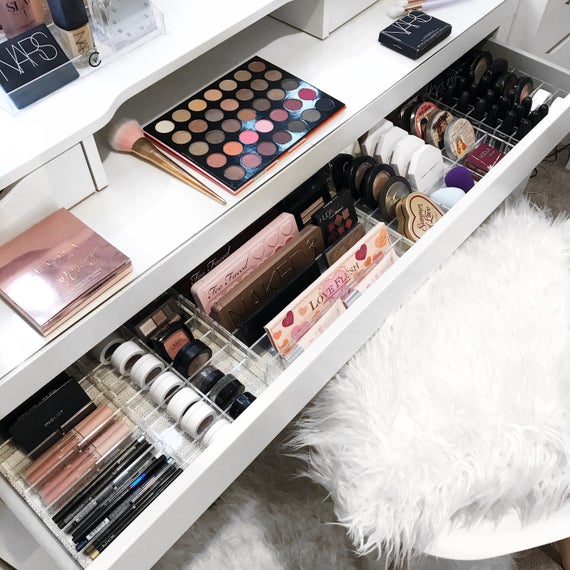
Most of us toss our makeup into a bag or drawer and call it a day, but that casual approach leads to broken powders, dried-out formulas, and products that expire well before their time. The good news is that getting organized does not require a huge investment or a complete room makeover — a few smart changes can transform how your collection looks and lasts.
If you are already exploring ways to level up your beauty routine, you might also want to check out our guide on tips for applying blush to make the most of your freshly organized products.
Contents
Quick Storage Wins You Can Do Today
You do not need to overhaul your entire setup to see immediate improvements in how your makeup holds up over time. These quick changes take less than thirty minutes and make a noticeable difference in product longevity and daily convenience.
- Move products away from the bathroom — humidity and temperature swings from hot showers break down formulas faster than almost anything else.
- Stand your liquid foundations, serums, and concealers upright so the product settles toward the pump or dropper, giving you cleaner dispensing every time.
- Group your daily-use items in one small tray or basket separate from your full collection, so you are not digging through everything each morning.
- Wipe down the outside of tubes and compacts with a damp cloth to remove buildup that transfers bacteria between products.
- Check expiration dates and toss anything that smells off, has changed texture, or has separated — expired makeup can cause breakouts and irritation on oily skin.
- Close every lid and cap tightly after each use, since even a slightly loose cap lets air dry out creams and liquid formulas within weeks.
Pro tip: Write the date you opened each product on the bottom with a permanent marker — most makeup has a PAO (period after opening) symbol telling you exactly how many months it stays safe to use.
Makeup Storage on Any Budget
One of the biggest myths about makeup storage is that you need to spend a fortune on acrylic organizers or custom vanity setups. The truth is that effective storage solutions exist at every price point, and sometimes the cheapest options work just as well as the expensive ones.
| Budget Level | Storage Solution | Estimated Cost | Best For |
|---|---|---|---|
| Free | Repurposed jars, mugs, shoeboxes | $0 | Small collections, students |
| Low | Dollar store bins, desk organizers | $5–$15 | Everyday essentials |
| Mid | Acrylic organizers, stackable drawers | $20–$50 | Medium collections |
| High | Rotating organizers, LED vanity setups | $50–$120 | Large collections, beauty enthusiasts |
| Premium | Custom drawer inserts, professional cases | $120+ | Makeup artists, massive collections |
At the free tier, you can use cleaned-out candle jars for brushes, a mug for lip products, and a small cardboard box lined with fabric for palettes. These work surprisingly well when you are just starting to organize your how to store makeup routine and do not want to invest before you know what layout suits you.
The mid-range acrylic organizers you see all over social media are genuinely useful because they let you see everything at a glance, which means you actually use more of what you own instead of forgetting about products buried in a bag.
Fixing Common Storage Problems
Even with a solid system in place, specific products create unique storage challenges that need targeted solutions. Here is how to handle the trickiest situations.
Melting and Softening Products
- Cream blushes, lipsticks, and stick foundations soften above 75°F (24°C), so store them in the coolest room of your home during summer months.
- If a lipstick has already melted and reformed, you can reshape it by gently warming the tip with a hair dryer and pressing it into a clean mold or the original tube.
- Consider storing heat-sensitive products in a dedicated mini beauty fridge set between 45–55°F (7–13°C), which also feels amazing when you apply chilled products to your face.
Broken Powders and Palettes
- Crush the broken powder completely into fine dust inside the pan.
- Add 3–5 drops of rubbing alcohol (91% isopropyl) and mix into a paste.
- Press firmly with a flat tool or coin wrapped in a paper towel.
- Let it dry uncovered for 24 hours before using it again.

Dried-Out Liquid Products
When your favorite liquid liner or mascara starts drying out prematurely, the issue is almost always air exposure from a cap that was not sealed properly. Adding a drop of saline solution (contact lens solution works perfectly) to mascara can revive it for another few weeks, but never add water because it introduces bacteria.
Basic vs Pro-Level Organization
Your ideal storage setup depends entirely on how many products you own and how often you use them. There is no point investing in a professional-grade system if you own ten items, and a shoebox will not cut it if you have a collection of fifty or more products.
The Beginner Setup
- One small tray or basket for daily essentials (foundation, concealer, brow product, mascara, lip color).
- A cup or jar for brushes, standing upright so bristles stay shaped.
- A zip pouch for items you use less than once a week.
- Total space needed: one shelf or one corner of a dresser top.
The Advanced Setup
- Tiered acrylic drawers with dividers sorted by product category (face, eyes, lips, tools).
- A magnetic board or pegboard mounted on the wall for metal-backed palettes and frequently used singles.
- Drawer liners with labeled compartments so every product has a designated home.
- A separate brush roll or holder for professional brush sets, stored away from powder fallout.
- A temperature-controlled beauty fridge for vitamin C serums, makeup removers, and cream products.
The key difference between a basic and advanced setup is not the cost — it is the level of categorization. Advanced organizers separate products not just by type but also by frequency of use, season, and finish (matte versus dewy).
Storage Mistakes That Ruin Your Products
You might be damaging your makeup right now without realizing it. These are the most common storage mistakes that shorten product life and compromise formula quality.
- Storing makeup in the bathroom — the humidity from showers creates a breeding ground for mold and bacteria, especially in powder products that absorb moisture from the air.
- Leaving products in direct sunlight — UV rays break down preservatives and active ingredients, causing formulas to separate and pigments to fade noticeably within just a few weeks.
- Keeping makeup in your car — temperatures inside a parked car can exceed 150°F (65°C) in summer, which completely destroys cream and liquid formulas beyond repair.
- Stacking heavy items on top of powder palettes — this is the number one cause of cracked and shattered pressed powders that could easily be avoided.
- Using dirty brushes and putting them back in your organizer — according to the Wikipedia article on cosmetics safety, contaminated applicators are a significant source of skin infections.
- Ignoring the PAO (period after opening) date — that small jar icon with a number like "12M" means the product should be discarded twelve months after you first open it.
- Storing nail polish with your other makeup — nail polish requires a cool, dark environment and the bottles can leak acetone fumes that degrade nearby products over time.
Warning: Never share eye products like mascara, eyeliner, or eyeshadow with others — bacterial transfer to the eye area can cause conjunctivitis and other serious infections that no amount of proper storage can prevent.
Expert Storage Hacks for Every Collection
Once you have the basics down, these expert-level hacks help you squeeze more life and convenience out of your storage system regardless of how much space you have to work with.
Working with Small Spaces
- Mount a small spice rack on the inside of your closet door — the narrow shelves are perfectly sized for lipsticks, single eyeshadows, and travel-size products.
- Use a hanging shoe organizer with clear pockets on the back of your bedroom door for an instant vertical storage solution that keeps everything visible.
- Stackable drawer units that fit inside a nightstand or under a desk give you multiple organized tiers without taking up any surface space at all.
- Magnetic strips attached to the wall hold metal-cased products like some Korean cushion foundations, keeping them accessible while freeing up drawer space completely.
Travel-Friendly Storage
- Invest in a hard-shell makeup case with elastic loops and padded dividers that protect fragile products like pressed powders during transit.
- Place a cotton round or pad inside each powder compact before closing it — the cushion absorbs shock and prevents the powder from cracking during movement.
- Transfer liquid products into smaller travel containers and seal each one inside its own zip-lock bag to contain any potential leaks from pressure changes.
- Keep your travel makeup kit separate from your main collection so you are always ready to pack without dismantling your daily setup.
Comparing Popular Storage Methods
With so many storage options available, choosing the right one comes down to your collection size, available space, and personal style preferences. Here is an honest look at the most popular methods for how to store makeup effectively.
- Acrylic organizers — Pros: clear visibility, easy to clean, widely available, stackable. Cons: scratch easily, can look cluttered if overfilled, attract dust to open compartments.
- Drawer dividers — Pros: hidden and clean look, protect from dust and light, customizable layout. Cons: out of sight means out of mind, requires you to open drawers to find things.
- Makeup bags and pouches — Pros: portable, inexpensive, easy to toss in a suitcase. Cons: products pile on top of each other, hard to find specific items quickly, no protection from crushing.
- Wall-mounted solutions — Pros: save counter space, keep everything visible, add a decorative element to your room. Cons: expose products to light and dust, need wall mounting hardware, limited weight capacity.
- Beauty fridges — Pros: extend product life, feel luxurious on application, ideal for natural and organic formulas without strong preservatives. Cons: ongoing electricity cost, limited capacity, unnecessary for most shelf-stable products.
- Rotating carousel organizers — Pros: compact footprint, 360-degree access, great for vanity tops. Cons: wobble when overloaded, wasted vertical space between tiers, small items fall between slots.
For most people, a combination of two methods works best — a drawer system for your full collection and a small countertop organizer or tray for the five to ten products you reach for every single day.
Frequently Asked Questions
Should you store makeup in the fridge?
You do not need to refrigerate most conventional makeup, but a dedicated beauty fridge (not your food fridge) between 45–55°F benefits cream products, natural formulas without strong preservatives, and vitamin C serums that oxidize in warm temperatures.
How long does makeup last once opened?
Mascara lasts 3–6 months, liquid foundation 6–12 months, powder products 12–24 months, and lipstick 12–18 months. Always check the PAO symbol (the small jar icon) on your product packaging for the manufacturer's specific recommendation.
What is the best temperature for storing makeup?
Room temperature between 60–72°F (15–22°C) is ideal for most makeup products. Avoid any location where the temperature regularly exceeds 75°F or drops below freezing, as both extremes damage formulas and change product texture permanently.
Can you store makeup in the bathroom?
You should avoid storing makeup in the bathroom because the humidity and temperature fluctuations from showers accelerate bacterial growth and cause powder products to become cakey. If the bathroom is your only option, use a sealed container and keep it in a cabinet far from the shower.
How do you organize a small makeup collection?
Use a single tray or small acrylic organizer with three to four compartments — one for face products, one for eyes, one for lips, and one for tools. This simple setup keeps everything visible and accessible without taking up much space on your dresser or desk.
Is it bad to store makeup in direct sunlight?
Yes, direct sunlight is one of the worst things for your makeup. UV rays break down preservatives, cause pigments to fade, and make cream products separate or melt. Always store your collection in a shaded area or inside a drawer away from windows.
How often should you clean your makeup organizer?
You should wipe down your organizer at least once a month with a gentle disinfectant or warm soapy water. Powder fallout and product residue accumulate quickly, and a dirty organizer transfers old product and bacteria back onto the items you place inside it.
What is the best way to store makeup brushes?
Store clean brushes upright in a cup or holder with the bristles facing up so they maintain their shape. After washing, dry them flat with bristles hanging off the edge of a counter so water does not seep into the ferrule and loosen the glue over time.
Final Thoughts
You now have everything you need to store your makeup properly and keep your products fresh, organized, and ready to use every day. Start by picking one area from this guide — whether it is moving your collection out of the bathroom, investing in a simple acrylic organizer, or just doing a quick expiration date audit — and put it into action this week. Your products will last longer, your morning routine will feel smoother, and your skin will thank you for keeping bacteria and expired formulas off your face.


About Austin Park
Austin Park is a Korean beauty enthusiast and product researcher who has spent years studying the K-beauty industry — tracking ingredient trends, comparing formulations, and evaluating how Korean skincare and cosmetic brands perform for a wide range of skin types. His research-driven approach to product evaluation focuses on ingredient lists, brand transparency, and real-world results rather than marketing claims. At BestKoreanGuide, he covers Korean skincare routines, product reviews, and ingredient guides for readers building their first K-beauty routine or expanding an existing one.
You can get FREE Gifts. Or latest Free phones here.
Disable Ad block to reveal all the info. Once done, hit a button below