Last weekend, you probably stood in front of your bathroom mirror with a brand-new blush compact, swiped it across your cheeks, and thought something looked slightly off — maybe too harsh, maybe too faded, or just not quite where it should be. You're not alone, because learning how to apply blush properly is one of those deceptively simple skills that can completely transform your makeup game once you nail it. Whether you're drawn to the glass-skin glow of K-beauty or prefer a more sculpted Western approach, the right blush technique bridges the gap between a flat, one-dimensional face and one that radiates natural warmth and dimension. If you're also working on perfecting your broader skincare routine, getting your blush placement right is the finishing touch that ties everything together.
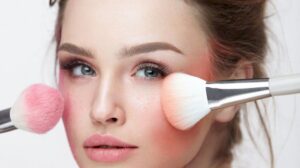
Blush has been a staple in beauty routines across cultures for centuries, with early forms dating back to ancient Egypt and Greece according to the history of rouge in cosmetics. In Korean beauty, blush placement tends to sit higher on the cheeks and closer to the under-eye area, creating that youthful, fresh-from-a-walk flush that K-beauty is famous for. Meanwhile, Western techniques often emphasize contouring along the cheekbones for a more sculpted effect, and there's no reason you can't blend elements of both styles to create something uniquely yours.
The truth is, the "right" way to wear blush depends on your face shape, skin type, the formula you're using, and the overall vibe you're going for that day. In this guide, you'll find practical techniques, product comparisons, and maintenance tips that will help you apply blush with confidence every single time — no more guessing, no more over-applying, and no more wondering if you look like you just ran a marathon in July.
Contents
Quick Blush Techniques You Can Start Using Today
You don't need to overhaul your entire makeup routine to see a noticeable improvement in how your blush looks. A few small adjustments to your application method can make a world of difference, and most of these techniques take less than thirty seconds to implement once you've practiced them a couple of times.
The Smile-and-Sweep Method
This classic technique works well for beginners because it gives you a reliable target zone every time you pick up your brush. Here's the basic approach:
- Smile naturally and locate the apples of your cheeks — those round, slightly raised areas that appear when you grin.
- Place your brush or fingertip at the center of the apple, then sweep the color upward and outward toward your temples.
- Relax your face and check the placement — the color should sit along the top of your cheekbone, not pooling in the hollows below it.
- Blend the edges with a clean brush or sponge so there are no visible lines of demarcation between blush and bare skin.
One common mistake is applying blush while still smiling, which can push the color too low once your face relaxes back to its neutral position. Always do a final check with a relaxed expression to make sure the placement still looks balanced and flattering.
Pro tip: Tap off excess product from your brush before it touches your skin — you can always build up color, but removing too much blush means starting over with concealer.
Layering for a Natural Flush
If you find that your blush often looks too intense or sits on top of your skin like a stripe of color, try the layering method that many Korean makeup artists swear by. Start with a sheer wash of cream or liquid blush directly on your skin, blend it thoroughly, then set it with a light dusting of powder blush in a similar shade. This creates depth and dimension that a single product application simply can't replicate, and it mimics the way a natural flush actually develops beneath the surface of your skin. If you're working with dry skin, the cream base also prevents that chalky, patchy look that powder alone can sometimes create.
How to Apply Blush Properly for Every Face Shape
Understanding your face shape is arguably the single most important factor in figuring out how to apply blush properly, because the same placement that looks stunning on a round face can fall completely flat on a longer, more angular one. The goal is always to enhance your natural bone structure rather than fighting against it.
Round and Oval Faces
If you have a round face, you'll want to create the illusion of length and definition by applying blush slightly higher on the cheekbones and blending it toward your temples rather than concentrating it on the apples of your cheeks. This draws the eye upward and outward, which subtly elongates the face without any heavy contouring. For oval faces, you have the most flexibility since this shape tends to work well with nearly any blush placement — but a soft application along the cheekbones with a gentle fade toward the ears is a universally flattering starting point.
Square and Heart-Shaped Faces
Square faces benefit from blush applied in a rounded, circular motion on the apples of the cheeks because this softens the stronger jawline and angular features that define this face shape. Keep the color concentrated in the center of the cheek rather than sweeping it too far outward, which can emphasize width. If you have a heart-shaped face with a wider forehead and narrower chin, focus your blush on the outer edges of your cheekbones and blend downward slightly to bring visual balance to the lower half of your face.
- Round face: Sweep upward from mid-cheek to temple; avoid the apples directly.
- Oval face: Apply along the cheekbone from the apple outward — almost anything works here.
- Square face: Circular application on the apples to soften angular features.
- Heart face: Focus on outer cheekbones, blend slightly downward for balance.
- Long face: Apply horizontally across the apples to create width and shorten the face visually.
Real-World Blush Looks Decoded
Theory is helpful, but seeing how these techniques translate into actual, wearable looks makes it much easier to replicate them at home. These two approaches represent the most popular blush styles you'll encounter in the beauty world right now, and each one serves a different aesthetic purpose.
The K-Beauty Under-Eye Flush
This signature Korean beauty look places blush higher than most Western techniques — right across the tops of the cheeks and slightly under the eyes, creating a sun-kissed, slightly flushed appearance that looks like you just came in from a brisk walk. You'll typically use a cream or liquid formula for this look since they blend more seamlessly into the skin and create that coveted dewy finish. The trick is to use your ring finger or a damp beauty sponge to pat the product into the skin rather than swiping it across, which deposits too much color in one area. Pair this with a well-prepped, hydrated base — a quality Korean face moisturizer underneath makes all the difference in how smoothly the blush melts into your skin.
Remember: The K-beauty blush look works best when you keep the rest of your makeup minimal — heavy eye makeup or bold lips can compete with the soft, youthful vibe you're creating.
The Sculpted Contour Blush
This approach combines blush with subtle contouring by placing a deeper shade along the hollows of the cheekbones and a brighter, more pigmented blush on the high points just above. It's a more dramatic look that works especially well for evening events or photography, where you want your bone structure to really pop. You can achieve this with a dual-ended brush or by using a fan brush for the highlight shade and an angled brush for the deeper contour shade. If you're also working with a cushion foundation, apply the blush after your base but before any setting powder for the most seamless integration.
Blush Formulas Compared: Powder, Cream, and Liquid
Choosing the right blush formula for your skin type and desired finish is just as important as mastering the application technique itself. Each formula has distinct advantages and limitations, and understanding how to apply blush properly means knowing which product to reach for on any given day.
| Feature | Powder Blush | Cream Blush | Liquid Blush |
|---|---|---|---|
| Best for skin type | Oily, combination | Dry, normal | All skin types |
| Finish | Matte to soft shimmer | Dewy, satin | Dewy, natural |
| Ease of blending | Moderate | Easy | Requires speed |
| Longevity | 6-8 hours | 4-6 hours | 5-7 hours |
| Build-ability | High | Moderate | Low (sets quickly) |
| Best application tool | Fluffy brush | Fingers or sponge | Fingers or sponge |
| Ideal for K-beauty look | Less ideal | Great choice | Best choice |
If you tend toward oily skin, powder blush is generally your safest bet because it absorbs excess sebum and tends to stay put longer without migrating throughout the day. Cream and liquid formulas can slide around on oilier skin types unless you set them with a translucent powder, which somewhat defeats the purpose of choosing a dewy formula in the first place. On the other hand, if your skin leans dry, cream blush adds a beautiful luminosity that powder formulas simply can't match.
Liquid blush has surged in popularity thanks to social media, and for good reason — a single drop can deliver an incredibly natural, skin-like flush when blended quickly with your fingertips. The key word there is "quickly," because liquid formulas tend to set fast, and once they're dry, blending becomes much more difficult and you risk disturbing the foundation underneath.
Keeping Your Blush Looking Fresh All Day
Even the most perfectly applied blush won't matter much if it fades, migrates, or turns patchy within a few hours of application. Longevity comes down to preparation, product choice, and having a smart touch-up strategy that doesn't require you to redo your entire face in a restroom mirror.
Prep Steps That Make a Difference
Your blush will only perform as well as the canvas beneath it, which means your skincare and base makeup routine directly impact how long your color lasts throughout the day. Consider these foundational steps:
- Moisturize appropriately — overly rich creams can cause blush to slide, while under-moisturized skin creates dry patches that grab pigment unevenly.
- Apply a primer specifically designed for your skin type to create a smooth, even surface that helps blush adhere better.
- Set your foundation with a light layer of translucent powder before applying powder blush, or skip the powder entirely if you're using a cream formula.
- Use a setting spray as your final step to lock everything in place — a few mists can add hours of wear time.
Touch-Up Strategies
Carrying your full blush compact everywhere isn't always practical, so it helps to have a streamlined touch-up kit that fits in a small pouch or even a pocket. A mini powder blush or a blush stick is ideal for midday refreshes because they don't require separate brushes or sponges. Simply smile to find your cheekbone, dab on a small amount of product, and blend with your fingertip using gentle circular motions. If you're also refreshing your base after removing excess oil, apply the blush after blotting and repowdering so it sits on a fresh surface rather than mixing with accumulated oils.
Quick fix: If you accidentally apply too much blush, press a clean beauty sponge over the area to lift excess pigment without disturbing the rest of your makeup.
When to Go Bold and When to Keep It Subtle
Knowing how to apply blush properly also means understanding the context in which you're wearing it, because a look that's perfect for a Saturday night dinner could be completely inappropriate for a Monday morning meeting, and vice versa.
Daytime and Office Settings
For everyday wear, you generally want your blush to enhance your natural coloring without drawing excessive attention to itself. Stick to muted, neutral tones — soft peaches, dusty pinks, and warm mauves tend to work across most skin tones in professional environments. Apply with a light hand and build up gradually, checking your work in natural lighting if possible since bathroom and office lighting can be deceiving. The goal is for someone to notice that you look healthy and polished, not that you're specifically wearing blush.
- Choose matte or soft satin finishes over glittery or heavily shimmered formulas for professional settings.
- Apply one thin layer and blend thoroughly — you can always add more, but removing excess is tricky.
- Keep the placement on the cheekbones rather than spreading it across the nose or under the eyes, which reads as more fashion-forward.
Evening and Special Occasions
Evening lighting tends to wash out color, so you can afford to be more generous with your blush application when you're headed out for the night. Richer shades like berry, deep rose, and warm coral can add beautiful warmth and drama under dim restaurant or venue lighting where subtler shades might disappear entirely. This is also a great time to experiment with placement — try the K-beauty under-eye flush paired with a subtle highlight on the cheekbones for a look that photographs beautifully. If you're also exploring other Korean blushers, evening events are the perfect low-pressure environment to test new shades and techniques before committing to them in your daily rotation.
Frequently Asked Questions
What is the best brush shape for applying blush?
A fluffy, slightly angled brush works well for powder blush because it deposits color gradually and makes blending easier. For cream and liquid formulas, your fingertips or a damp beauty sponge give you more control over placement and intensity since the warmth of your fingers helps the product melt into the skin seamlessly.
Should you apply blush before or after setting powder?
It depends on the formula you're using. Powder blush goes on after setting powder so it has something to grip, while cream and liquid blush should be applied before powder so they can blend directly into the base without creating a patchy or cakey texture on the surface.
How do you choose the right blush shade for your skin tone?
A reliable rule of thumb is to pinch your cheek gently and observe the natural color that appears — that shade family is usually your most flattering blush option. Fair skin tones tend to suit soft pinks and light peaches, medium skin tones look great in warm corals and mauves, and deeper skin tones are complemented by rich berries, plums, and warm bronze tones.
Can you wear blush without foundation?
Absolutely, and many makeup enthusiasts prefer this approach for a more natural, low-maintenance look. Just make sure your skin is well-moisturized and consider using a cream or liquid blush formula that blends directly into bare skin without looking powdery or sitting on top of the surface unnaturally.
How do you prevent blush from looking patchy throughout the day?
Proper skin preparation is the biggest factor in preventing patchiness, so start with a well-moisturized and primed canvas. Applying blush in thin, buildable layers rather than one heavy swipe also helps maintain an even distribution of color that wears down gracefully instead of breaking apart in random spots.
Is it better to use fingers or a brush for cream blush?
Both work well, but fingers have a slight edge because the natural warmth of your skin helps cream formulas blend and melt into the complexion more naturally. If you prefer using a tool, a damp beauty sponge mimics that warming effect and provides slightly more control over the finished placement.
Where exactly should blush go if you have a long face?
For longer face shapes, apply blush horizontally across the apples of your cheeks and blend outward just slightly, keeping the color concentrated in the center rather than sweeping it up toward the temples. This creates the illusion of width and visual balance, making the face appear slightly shorter and more proportional overall.
Key Takeaways
- Learning how to apply blush properly starts with understanding your face shape and choosing placement that enhances your natural bone structure rather than working against it.
- Your blush formula matters as much as your technique — powder suits oily skin, cream works best for dry skin, and liquid delivers the most natural finish across all skin types.
- Preparation is everything for longevity, so invest time in moisturizing, priming, and setting your base before blush application to keep your color looking fresh for hours.
- Context should guide your intensity — keep it subtle and matte for daytime settings, and feel free to build up richer shades with more dramatic placement for evening occasions.


About Austin Park
Austin Park is a Korean beauty enthusiast and product researcher who has spent years studying the K-beauty industry — tracking ingredient trends, comparing formulations, and evaluating how Korean skincare and cosmetic brands perform for a wide range of skin types. His research-driven approach to product evaluation focuses on ingredient lists, brand transparency, and real-world results rather than marketing claims. At BestKoreanGuide, he covers Korean skincare routines, product reviews, and ingredient guides for readers building their first K-beauty routine or expanding an existing one.
You can get FREE Gifts. Or latest Free phones here.
Disable Ad block to reveal all the info. Once done, hit a button below