There you are, face clean and freshly toned after a long day, tearing open one of those foil packets you have been saving since your last K-beauty haul. You press the sheet against your skin, lean back, and the familiar question surfaces almost immediately — how long to keep sheet mask on for the best results? It is one of the most common things people get wrong about an otherwise simple ritual. If you are serious about your skin care, this guide covers everything you need to know about sheet masks from material types to timing to the mistakes quietly undermining your results.
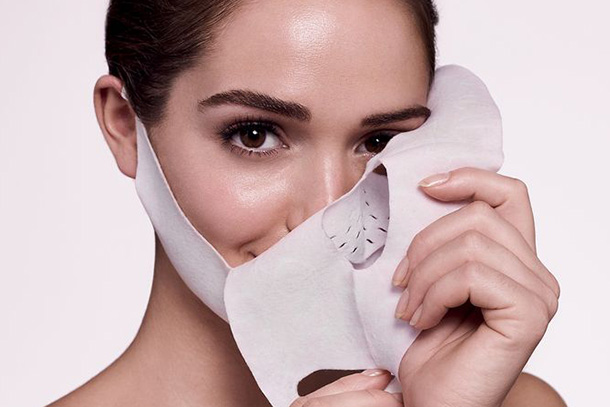
Sheet masks have earned their legendary status in K-beauty for a concrete reason: the serum-soaked sheet creates a temporary seal against your skin, pushing active ingredients deeper than a standard moisturizer can reach on its own. That occlusion effect is the science behind why they work, and it is also why technique and timing matter far more than most people think.
From cotton to hydrogel to bio-cellulose, the variety available today is genuinely impressive, and each type performs differently on your skin. Understanding what each one does, when to reach for it, and how to avoid the habits that quietly waste every session will transform masking from a pleasant ritual into something that actually delivers visible change.
Contents
Sheet Mask Types at a Glance
The sheet material determines how well the serum adheres, how evenly it distributes across your face, and how long the mask stays effective during wear. Choosing the right type for your skin concern is the first smart decision you make before a mask even touches your face.
Cotton, Hydrogel, and Bio-Cellulose Compared
Cotton is the most common and affordable option. It holds a solid amount of serum and fits comfortably, though it dries out faster than the alternatives. Hydrogel masks are a step up — they cool your skin on contact, stay moist noticeably longer, and conform closely to facial contours. Bio-cellulose masks sit at the premium end, fermented from natural sources and bonding to your skin almost like a second layer, delivering actives with remarkable efficiency. For everyday hydration, cotton is perfectly adequate. For a targeted treatment before an event or when your skin is stressed and reactive, hydrogel or bio-cellulose is worth every extra dollar.
| Type | Material | Best For | Typical Price | Stay-Moist Time |
|---|---|---|---|---|
| Cotton | Natural fiber | Daily hydration, beginners | $1–3 | 15–20 min |
| Microfiber | Synthetic fiber | Even serum distribution | $2–5 | 15–20 min |
| Hydrogel | Gel film | Cooling, firming | $3–8 | 20–30 min |
| Bio-Cellulose | Fermented fiber | Sensitive skin, anti-aging | $8–20 | 30+ min |
Ingredients That Actually Matter
The serum formula is where the real work happens. Hyaluronic acid is the gold standard for hydration, pulling moisture into your skin and holding it there through the session. Niacinamide brightens and tightens pores with consistent use. Snail mucin is a K-beauty powerhouse that actively repairs your skin barrier while you sit back and relax. Centella asiatica calms redness and inflammation, making it the go-to ingredient if your skin runs reactive or sensitive. Check the ingredient list before you buy — a well-formulated serum is what separates a mask that genuinely transforms your skin from one that just feels pleasant for twenty minutes.

How Long to Keep a Sheet Mask On — and How to Apply It Right
This is the section most people skip straight to, and that instinct is correct. Timing and application technique are what separate a mask session that delivers measurable results from one that leaves your skin feeling vaguely tacky and no different than before. The rules are simple but they are non-negotiable.
Step-by-Step Application
Always start with clean, toned skin — never apply a sheet mask over makeup or sunscreen, because the serum cannot penetrate an unwashed surface. Use a Korean cleansing oil first if you have worn makeup, then follow with your regular face wash. Pat your skin damp but not dripping, unfold the mask carefully, and align it from the nose outward, pressing it down gently to eliminate air pockets. Any leftover serum in the packet goes directly onto your neck and décolletage — never waste it.
Pro tip: Store your sheet mask in the fridge for ten minutes before use — the cooling effect reduces puffiness and makes the session noticeably more soothing on inflamed or tired skin.
Timing Guidelines by Skin Type
The standard answer to how long to keep sheet mask on is fifteen to twenty minutes, and that window holds for most skin types and formulas. If you have dry or dehydrated skin, you can push toward twenty minutes, but remove it the moment you feel any tightness, which signals the mask has begun pulling moisture back out. If your skin is oily or combination, fifteen minutes is sufficient — the serum has completed its work by then. Never sleep in a sheet mask, regardless of what social media trends suggest. Extended occlusion disrupts your skin barrier and causes moisture imbalance that can take days to recover from.
When and How Often to Use a Sheet Mask
Sheet masks are not an everyday requirement, but they are an incredibly powerful tool when used with intention. Two to three times per week is the sweet spot for most people — enough to build cumulative results without overwhelming your skin or creating the dependency that comes from over-masking. Used consistently at that frequency, you will see improved texture, deeper hydration, and a more even tone within a few weeks of starting.
Fitting Masks Into Your Routine
In the K-beauty layering order, sheet masks come after toner and essence but before serums and moisturizer. Think of them as a delivery vehicle that primes your skin to absorb everything that follows. After removing the mask, pat the residual serum in gently and layer your Korean moisturizer immediately on top to seal in the hydration — skipping that step costs you a significant portion of the benefit you just spent twenty minutes building.
Skin-Type Considerations
If you are managing dry skin, a hydrating sheet mask two to three times per week can meaningfully supplement your routine in ways a moisturizer alone simply cannot replicate. If you deal with oily skin, reach for lightweight water-based serums rather than rich creamy formulas — hydration without additional oil is the goal. For acne-prone skin, look for masks with salicylic acid, tea tree, or centella asiatica and treat them as a complement to your broader Korean acne skincare routine rather than a standalone solution.
How Much Should You Spend on Sheet Masks
The K-beauty market runs the full price spectrum, from under a dollar per mask to twenty dollars and beyond for premium options. Knowing where to invest and where to save is a practical skill that stretches your skincare budget considerably further without sacrificing results.
Budget vs. Premium
For everyday hydration masks — the kind you use two or three times per week as part of your maintenance routine — affordable cotton or microfiber options in the one to three dollar range perform perfectly well. Brands like Mediheal and Leaders consistently deliver strong results at accessible prices. Where premium masks genuinely earn their cost is in targeted treatments: bio-cellulose options for sensitive or barrier-compromised skin, and specialized formulas with fermented ingredients or high-concentration peptides that cannot be packed into a cheap base serum.
Where the Real Value Is
Real value in any sheet mask comes from serum concentration and sheet quality, not the packaging or the brand name on the front. A well-formulated three-dollar cotton mask will outperform a poorly-formulated ten-dollar one every time without exception. Read the ingredient list, look for meaningful actives in the top positions, and pair your masking habit with a solid daily routine anchored around quality Korean face moisturizers — sheet masks amplify an already good routine, they do not replace the fundamentals of one.
Sheet Masking Mistakes and How to Fix Them
Even experienced maskers make these errors without realizing it. Identifying and correcting even one of these habits will immediately improve your results, and a few of them can prevent skin damage you might otherwise attribute to the wrong cause entirely.
Over-Masking and Irritation
Using sheet masks every single day is a mistake, even when the formula appears gentle. Daily masking over-hydrates the surface layer of your skin, disrupting the moisture balance and gradually weakening your barrier over time. If your skin feels congested, oddly sensitized, or tight after a run of daily sessions, over-masking is almost certainly the cause. Pull back to two or three times per week and give your skin adequate time to regulate between treatments — more is definitively not more with active skincare tools.
Warning: If your skin feels tight or starts peeling after a masking session, you left it on too long — remove the mask immediately and apply moisturizer to stop further moisture loss.
The Dry Mask Problem
One of the most counterproductive things you can do is leave a sheet mask on past the point where the sheet begins to dry out. Once the sheet dries, it reverses direction and starts pulling moisture back out of your skin rather than pushing actives in. This is the physics behind why the fifteen to twenty minute window exists and why it is a ceiling, not a target to exceed. Watch the sheet, not only the clock — when it starts lifting at the edges or feels less saturated against your face, remove it regardless of how much time remains.

Frequently Asked Questions
How long to keep sheet mask on for best results?
Fifteen to twenty minutes is the standard window that works for most skin types and formulas. Remove it the moment the sheet starts to dry or lift at the edges, even if that happens before the fifteen-minute mark — a drying sheet actively pulls moisture out rather than delivering more.
Can you reuse a sheet mask?
No. Once the serum in the sheet is spent, there is nothing left to deliver, and a used mask is a genuine breeding ground for bacteria. The packet may still contain leftover serum — squeeze it out and apply it to your neck or hands, but the sheet itself goes in the bin after one use.
Should you rinse your face after a sheet mask?
Do not rinse. The residual serum left on your skin continues working after the mask comes off, and washing it away wastes that benefit entirely. Pat any excess gently into your skin and follow immediately with a moisturizer to seal in the hydration.
How often should you use a sheet mask?
Two to three times per week is the right frequency for most people. Daily masking disrupts your skin barrier over time, while using masks less than twice a week limits the cumulative benefit. The middle range gives your skin consistent results without the side effects of over-treating.
Can sheet masks replace moisturizer?
No, and they are not designed to. Sheet masks are a concentrated treatment step that amplifies your routine — they are not a substitute for a daily moisturizer that provides sustained hydration over hours. Always follow a mask with moisturizer, never skip one in place of the other.
Final Thoughts
Sheet masks are one of the simplest ways to meaningfully upgrade your skincare results, and now you have everything you need to use them correctly. Pick the right material for your concern, keep it on for fifteen to twenty minutes, follow immediately with a moisturizer, and build the habit two to three times per week — that is all it genuinely takes to see real change. Start with a hydrating cotton mask this week, pay attention to how your skin responds, and adjust your frequency and formula from there as your routine develops.


About Austin Park
Austin Park is a Korean beauty enthusiast and product researcher who has spent years studying the K-beauty industry — tracking ingredient trends, comparing formulations, and evaluating how Korean skincare and cosmetic brands perform for a wide range of skin types. His research-driven approach to product evaluation focuses on ingredient lists, brand transparency, and real-world results rather than marketing claims. At BestKoreanGuide, he covers Korean skincare routines, product reviews, and ingredient guides for readers building their first K-beauty routine or expanding an existing one.
You can get FREE Gifts. Or latest Free phones here.
Disable Ad block to reveal all the info. Once done, hit a button below