If you want to know how to take care of oily skin, start with one rule: less is more. Over-cleansing, skipping moisturizer, and piling on products all trigger your skin to produce even more oil. A focused skincare routine built on the right ingredients keeps shine under control without stripping your skin bare.

Oily skin happens because your sebaceous glands produce excess sebum — your skin's natural oil. Genetics, hormones, diet, humidity, and stress all push those glands into overdrive. You can't switch off sebum production entirely, but you can absolutely keep it balanced with a consistent, targeted approach.
This guide covers everything: what oily skin actually looks like in real life, how to build a routine whether you're just starting out or ready to level up, which ingredients to use and avoid, and how to fix a routine that's stopped working.
Contents
What Oily Skin Really Looks Like
Recognizing the Signs
Oily skin isn't just a shiny forehead. The real-world picture is more nuanced — and identifying it correctly shapes how you treat it. Here's what oily skin actually presents like day to day:
- Visible shine within one to two hours of cleansing, especially on the T-zone (forehead, nose, chin)
- Enlarged pores that look prominent, particularly around the nose and cheeks
- Makeup that slides or fades well before midday
- Frequent blackheads and whiteheads along the nose, chin, and forehead
- Skin that feels greasy to the touch by mid-afternoon, even without touching your face
- Acne breakouts — usually clogged-pore types rather than deep cystic ones
What oily skin does NOT mean: that you're dirty, that you need to wash your face more, or that you should skip moisturizer. Many people with oily skin are actually dehydrated underneath. When your skin lacks water, it overproduces oil to compensate — which means the solution is often adding hydration, not removing it.
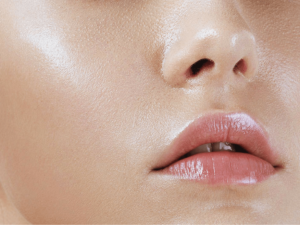
Oily vs. Combination Skin
Oily and combination skin get confused constantly. Here's the clearest way to tell them apart:
- Oily skin: your entire face shines — cheeks included
- Combination skin: shiny T-zone, but cheeks stay normal or feel tight and dry
If your cheeks stay matte while your forehead and nose gleam, combination skin is the more accurate diagnosis. The routine approach differs significantly — see our guide on the best Korean skincare for combination skin if that sounds more like you.
Pro tip: Press a clean tissue against your bare face 30 minutes after cleansing. Oil marks across the entire sheet means oily skin. Marks only down the center means combination.
Beginner vs. Advanced Oily Skin Routines
The number of steps you need depends entirely on where you're starting. Adding too much too soon overwhelms your skin barrier and makes oil production worse.
The Beginner Routine
If you're new to managing oily skin, limit yourself to three steps for the first four weeks:
- Gentle foaming cleanser — morning and night
- Lightweight oil-free moisturizer — morning and night
- Broad-spectrum SPF 30+ sunscreen — every single morning
Nail these three consistently before adding anything else. Korean foam cleansers are especially well-suited here — they clean thoroughly without stripping the acid mantle. The best Korean foam cleansers include several formulas specifically designed for oily and acne-prone skin.
The Advanced Routine
Once your skin stabilizes, you can layer in targeted treatments. Here's exactly how a full advanced oily-skin routine compares to the beginner version:
| Step | Beginner | Advanced | Why It Matters |
|---|---|---|---|
| 1. Cleanse (PM) | Foaming cleanser only | Cleansing oil + foaming cleanser (double cleanse) | Fully breaks down SPF and sebum plugs |
| 2. Tone | Skip | BHA toner (salicylic acid 0.5–2%) | Clears inside pores, controls sebum at the source |
| 3. Serum | Skip | Niacinamide serum (5–10%) | Minimizes pore appearance, regulates oil production |
| 4. Moisturize | Lightweight lotion | Gel moisturizer or water-cream | Hydrates without clogging pores or adding sheen |
| 5. Protect (AM) | SPF 30 | SPF 50 PA++++ Korean sunscreen | UV exposure directly stimulates sebum production |
| 6. Treat (2–3×/week PM) | Skip | Clay mask or AHA chemical exfoliant | Deep pore purging, surface smoothing |
How to Take Care of Oily Skin: Daily Routine
Here's the exact, step-by-step process. Follow this consistently and your skin will regulate itself within four to eight weeks.
Morning Routine
- Rinse with lukewarm water or use a gentle foaming cleanser. You don't need an aggressive cleanse in the morning if you cleansed well the night before. Hot water stimulates oil production — always go lukewarm.
- Apply BHA toner (advanced step). Pat on a salicylic acid toner with your hands or a cotton pad. Wait 30 seconds before the next step.
- Apply niacinamide serum. Two to three drops, pressed gently into skin. Niacinamide is the single most effective over-the-counter ingredient for reducing sebum secretion and tightening pore appearance over time.
- Moisturize with a lightweight gel or water-cream. This step is not optional. Skipping it signals your skin to produce more oil as a substitute for missing hydration.
- Apply sunscreen. SPF 50 PA++++ formulas from Korean brands dry down matte and sit virtually invisible on the skin. Browse the top Korean sunscreens for finish-tested options built specifically for oily skin types.
Evening Routine
- Double cleanse. Start with a cleansing oil or micellar water to dissolve sunscreen, makeup, and excess sebum. Follow immediately with a water-based foaming cleanser. This two-step method is the foundation of K-beauty — and the best Korean cleansing oils emulsify with water and rinse completely clean, making them a surprisingly strong fit for oily skin.
- Exfoliate two to three times per week maximum. Use a BHA or AHA chemical exfoliant. Never scrub physically — micro-tears worsen acne and trigger more oil.
- Apply targeted treatments. Spot treatments, retinoids, or prescription actives go here, after exfoliation.
- Moisturize. A gel moisturizer or light lotion at night locks in water while your skin repairs itself.

Tips and Tricks That Actually Work
Beyond the routine, these ingredient choices and daily habits separate oily skin that's under control from oily skin that never seems to improve.
Ingredients to Seek Out
- Niacinamide (vitamin B3): Reduces sebum secretion, minimizes pore size, and brightens uneven tone. Use at 5–10% concentration for measurable results.
- Salicylic acid (BHA): Oil-soluble, so it penetrates inside pores and dissolves trapped sebum and dead cells. Best ingredient for blackheads and chronic congestion.
- Glycolic acid (AHA): Resurfaces the skin's surface layer, smooths texture, and reduces dullness. Limit to two to three times per week.
- Centella asiatica (Cica): Calms inflammation and strengthens the skin barrier. Essential when your oily skin is also reactive or acne-prone.
- Zinc: Regulates sebum at the gland level, with mild antibacterial properties. Found in some toners and targeted spot treatments.
- Hyaluronic acid: Delivers deep water hydration without adding any oil. Draws moisture from the air directly into skin cells.
- Green tea extract: Antioxidant-rich, reduces sebum production, and calms redness. A staple in Korean skincare for oily and sensitive types.
Ingredients to Avoid
- Heavy plant oils (coconut oil, avocado oil, argan oil) — highly comedogenic for most oily skin types
- Alcohol-dominated toners — feel mattifying immediately, but trigger a rebound oil surge within hours
- Rich butters and thick occlusives (shea butter, petrolatum in large quantities)
- High-concentration fragrance — causes irritation that directly worsens the sebum response
Warning: Alcohol-based toners feel like they're controlling oil instantly, but your skin reads the dryness as a threat and produces more sebum to restore balance — making the problem measurably worse within the same day.
When it comes to coverage and finish, product choice matters just as much as skincare. A matte, non-comedogenic drugstore concealer for oily skin holds up through the day without adding shine. Pair it with a setting powder — mineral-based drugstore powders absorb live sebum throughout the day and resist caking in ways standard pressed powders don't.
Why Your Routine Isn't Working
You've been consistent. You're using reasonable products. But your skin is still oily, congested, or breaking out. Here's what's likely going wrong.
Common Mistakes
- Washing your face more than twice a day. It strips the acid mantle. Your skin responds by producing a surge of sebum to restore balance — the opposite of what you want.
- Skipping moisturizer because your skin already feels oily. Dehydrated oily skin overproduces surface oil to compensate for the missing water. Lightweight moisturizer actually reduces overall shine when used consistently.
- Using comedogenic products without knowing it. Heavy SPF formulas, silicone-loaded primers, and oil-based removers all trap sebum in pores. Always look for "non-comedogenic" on the label.
- Over-exfoliating. BHA more than three times per week, or layering it with daily AHA use, destroys the skin barrier. Irritated skin produces more oil as a defense response.
- Rotating products too fast. Give every new product at least four full weeks before drawing conclusions. Switching weekly makes it impossible to know what's actually working.
When to Switch Products
Switch a product only if:
- You've used it consistently for six weeks with zero measurable improvement
- It causes new breakouts in areas that were previously clear
- Your skin feels stripped, tight, or flaky after applying it
If your oily skin carries persistent acne that won't respond to OTC treatments, explore the top Korean skincare products for acne — Korean formulations use clinical-grade actives like tea tree, BHA complexes, and centella asiatica that frequently outperform Western acne treatments in both potency and skin compatibility.
Long-Term Control: Keeping Oil in Check
Learning how to take care of oily skin is an ongoing practice, not a one-time fix. Your skin shifts with seasons, hormones, age, and stress — and your routine needs to shift with it.
Lifestyle Factors That Drive Sebum
Your routine accounts for only part of the equation. These external factors directly affect how oily your skin behaves every day:
- Diet: High-glycemic foods — white bread, refined sugar, sugary drinks — spike insulin, which directly stimulates sebaceous glands. Cutting refined carbs makes a measurable difference for most people within four to six weeks.
- Stress: Cortisol increases sebum secretion. Managing stress isn't just a mental health priority — it's a skincare intervention.
- Sleep: Poor sleep raises cortisol and disrupts the skin's overnight barrier repair cycle. Seven to nine hours is the target.
- Hydration: Insufficient water intake causes the skin to compensate by overproducing surface oil. Drinking enough water is one of the simplest long-term oil regulators available.
- Pillowcase hygiene: Sebum, bacteria, and product residue accumulate on pillowcases every night. Change yours every two to three days or use a clean side nightly.
Seasonal Adjustments
Oily skin changes across seasons. Your routine should change with it:
- Summer and high humidity: Swap heavier gel moisturizers for ultralight water gels. Carry oil-blotting sheets. Apply a second layer of matte Korean sunscreen at midday.
- Winter and low humidity: Add a hyaluronic acid serum under your moisturizer. Without added water hydration, skin dries out at the surface and compensates by producing more oil — even in winter.
- Hormonal fluctuations: Progesterone surges in the days before menstruation directly increase sebum output. Use your clay mask more frequently during this window, and hold off on introducing new actives.

As your skin matures and your barrier strengthens, oily skin often naturally shifts toward combination or normal. A long-term commitment to the fundamentals — barrier support, consistent hydration, minimal actives — is what drives that shift.
Frequently Asked Questions
Should people with oily skin use moisturizer?
Yes, without exception. Oily skin still needs water-based hydration. Skipping moisturizer causes your skin to compensate with more sebum production. Use a lightweight, oil-free, non-comedogenic formula — gel moisturizers and water-creams work best for most oily skin types.
How often should I wash my face if I have oily skin?
Twice a day — once in the morning and once at night. Washing more frequently than that strips the skin barrier, which triggers a rebound oil surge. If your skin gets shiny mid-day, reach for blotting sheets instead of running back to the sink.
Is sunscreen really necessary for oily skin?
Yes, and skipping it makes oil production worse. UV exposure directly stimulates sebaceous glands. Modern Korean SPF 50 PA++++ formulas are specifically engineered for oily skin — they absorb to a matte finish, don't clog pores, and won't add shine throughout the day.
What's the single best Korean ingredient for controlling oil?
Niacinamide, at 5–10% concentration. It measurably reduces sebum secretion, visibly tightens pore appearance, and improves overall skin tone with no irritation risk. Salicylic acid (BHA) is the strongest second choice for clearing congested pores at the source.
Can oily skin change skin type over time?
Yes. Consistent barrier-supporting skincare, hormonal shifts with age, dietary improvements, and stress reduction can all move oily skin toward combination or even normal over months and years. That long-term shift is exactly what a well-maintained oily skin routine is working toward.
Oily skin isn't a flaw to fight — it's a signal to balance, and the right routine turns that signal into your skin's greatest long-term advantage.


About Austin Park
Austin Park is a Korean beauty enthusiast and product researcher who has spent years studying the K-beauty industry — tracking ingredient trends, comparing formulations, and evaluating how Korean skincare and cosmetic brands perform for a wide range of skin types. His research-driven approach to product evaluation focuses on ingredient lists, brand transparency, and real-world results rather than marketing claims. At BestKoreanGuide, he covers Korean skincare routines, product reviews, and ingredient guides for readers building their first K-beauty routine or expanding an existing one.
You can get FREE Gifts. Or latest Free phones here.
Disable Ad block to reveal all the info. Once done, hit a button below