According to dermatological research, roughly 80% of daily skin impurities are oil-soluble — meaning your regular foaming cleanser only tackles a fraction of what sits on your face. That's where the benefits of cleansing oils become hard to ignore. If you've followed a Korean beauty skincare routine, you already know that double cleansing starts with an oil-based step. But even if you're new to the concept, understanding why oil cleansers work so well can transform your entire skincare approach.
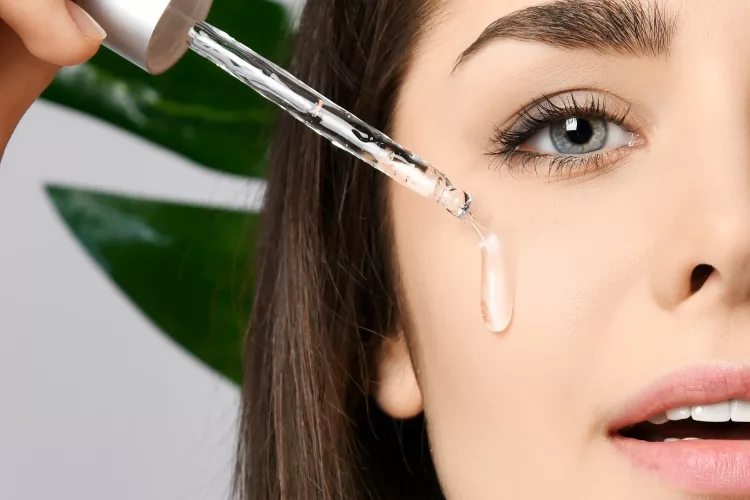
Cleansing oils use a simple principle from chemistry: like dissolves like. The oils in the formula bind to the sebum, sunscreen, and makeup on your skin, lifting them away without harsh scrubbing. When you add water, the oil emulsifies into a milky texture and rinses clean. You're left with skin that feels soft rather than stripped — something gel and foam cleansers often struggle to achieve.
Whether you have oily, dry, or combination skin, there's a cleansing oil formulation that fits. Let's break down exactly how to use them, what to watch out for, and why they deserve a permanent spot in your routine.
Contents
How Cleansing Oils Actually Work
Before you commit to any product, it helps to understand the chemistry behind it. Cleansing oils aren't just bottles of cooking oil with a fancy label. They're carefully formulated blends of botanical oils, emulsifiers, and sometimes antioxidants that work together to dissolve impurities.
The Science of Emulsification
The key ingredient that separates a cleansing oil from plain olive oil is the emulsifier. When you massage a cleansing oil onto dry skin, it breaks down oil-soluble debris like sebum, SPF filters, and waterproof makeup. The moment you add water, the emulsifier kicks in and turns the oil into a milky solution that washes away cleanly. According to the Wikipedia entry on emulsions, this process creates a temporary mixture of oil and water that wouldn't naturally combine — which is exactly what makes rinsing so effective.
Common Oil Types in K-Beauty Cleansers
Not every cleansing oil uses the same base. Here's a quick comparison of the most popular options you'll find in Korean formulations:
| Oil Base | Best For | Texture | Comedogenic Risk |
|---|---|---|---|
| Mineral Oil | All skin types, heavy makeup | Lightweight, slippery | Low |
| Rice Bran Oil | Dull or mature skin | Medium, silky | Low-Medium |
| Jojoba Oil | Oily and acne-prone skin | Light, fast-absorbing | Very Low |
| Sunflower Seed Oil | Sensitive or dry skin | Medium, nourishing | Low |
| Olive Oil (Squalane) | Dry and dehydrated skin | Rich, cushiony | Low |
Your skin type largely determines which base works best. If you deal with excess oil production, you might want to look at formulations built around jojoba, which closely mimics your skin's natural sebum. For those with dry skin concerns, sunflower or olive-derived oils offer extra nourishment during the cleansing step itself.
Long-Term Benefits of Cleansing Oils for Your Skin
A single use of cleansing oil feels noticeably different from a foam wash. But the real benefits of cleansing oils show up over weeks and months of consistent use. Your skin is an ecosystem, and how you cleanse it sets the tone for everything else.
Moisture Barrier Protection
Harsh surfactants in traditional cleansers can strip your skin's lipid barrier — the thin layer of natural oils that keeps moisture in and irritants out. When that barrier breaks down, you experience tightness, flaking, and increased sensitivity. Cleansing oils preserve this layer because they don't rely on strong detergents. Over time, you may notice that your skin holds hydration better, absorbs serums more efficiently, and reacts less to environmental stressors.
Anti-Aging and Texture Improvements
When your moisture barrier stays intact, fine lines appear less pronounced and skin texture smooths out gradually. Many K-beauty cleansing oils also include antioxidants like vitamin E or green tea extract, which offer mild protective benefits during the cleansing step. This isn't a replacement for dedicated anti-aging products, but it does mean your first step isn't working against the rest of your routine.
How to Use a Cleansing Oil the Right Way
Having the right product means nothing if your technique is off. The way you apply, massage, and rinse your cleansing oil directly affects the results you get.
The Double Cleanse Method
The foundation of K-beauty cleansing is the double cleanse. You start with a cleansing oil on dry skin to dissolve oil-based impurities, then follow with a water-based cleanser to remove any remaining water-soluble debris. Apply two to three pumps of oil to dry hands, massage across your dry face for 30 to 60 seconds, add a splash of lukewarm water to emulsify, then rinse thoroughly. Follow immediately with your second cleanser.
Pro tip: Always apply cleansing oil to completely dry skin and dry hands. Water prevents the oil from properly binding to makeup and sunscreen, which defeats the entire purpose.
Picking the Right Oil for Your Skin Type
If you have oily or acne-prone skin, look for lightweight formulas with jojoba or grapeseed oil — they cleanse without adding excess lipids. Dry skin types benefit from richer bases like macadamia or avocado oil. Combination skin does well with middle-ground options like rice bran. When in doubt, check whether the formula is non-comedogenic and fragrance-free, especially if your skin leans sensitive.
Keeping Your Skin Balanced After Oil Cleansing
The cleansing step prepares your skin for everything that follows. Get this part wrong and your serums, essences, and moisturizers won't perform the way they should.
Follow-Up Steps That Matter
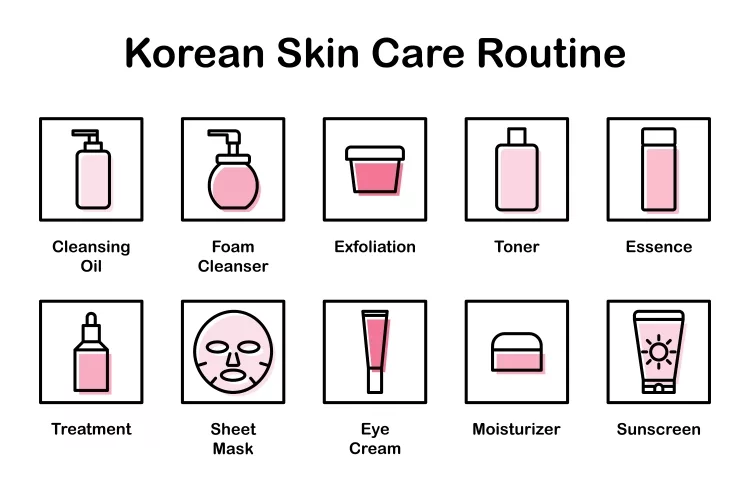
After your double cleanse, your skin is at its most receptive. Apply a hydrating toner within 60 seconds of rinsing to lock in moisture before it evaporates. Then layer your essence, serum, and moisturizer as usual. The benefits of cleansing oils extend into these later steps because a properly cleansed face absorbs active ingredients more efficiently. You're not just cleaning your skin — you're priming it.
Pay attention to water temperature too. Hot water strips natural oils and can undo the gentle work your cleansing oil just did. Lukewarm water is the sweet spot — warm enough to help the emulsifier rinse clean, cool enough to leave your barrier intact.
Common Cleansing Oil Mistakes That Hurt Your Skin
Even experienced skincare enthusiasts make errors with oil cleansing. These missteps can lead to breakouts, irritation, or just underwhelming results.
Over-Cleansing and Product Buildup
Using cleansing oil twice a day is usually unnecessary unless you wear heavy makeup or sunscreen in the morning. For most people, oil cleansing once in the evening is enough. In the morning, a gentle water-based cleanser or even plain water will do. Over-cleansing — even with a gentle oil — can still disrupt your skin's natural balance by removing too much sebum too frequently.
Ignoring Ingredient Lists
Not all cleansing oils are created equal. Some contain synthetic fragrances, essential oils, or comedogenic ingredients that can trigger reactions. Coconut oil, for example, scores high on the comedogenic scale and shows up in some cheaper formulations. Always scan the ingredient list before buying and patch-test new products on your jawline for a few days before committing to full-face use.

Fixing Common Cleansing Oil Problems
Switching to oil cleansing doesn't always go smoothly. Here's how to handle the most common complaints without giving up on the method entirely.
Dealing with Initial Breakouts
Some people experience a brief adjustment period when they first start oil cleansing. This can look like small bumps or minor congestion, especially around the chin and forehead. In most cases, this isn't purging — it's a sign that the formula doesn't suit your skin, or that you're not emulsifying and rinsing thoroughly enough. Give a new product two weeks. If breakouts persist, switch to a different oil base rather than abandoning oil cleansing altogether.
Residue and Film After Rinsing
If your skin feels greasy or filmy after using a cleansing oil, you're likely either skipping the emulsification step or using a product with weak emulsifiers. Make sure you wet your hands, then massage water into the oil on your face until it turns completely milky before rinsing. A good cleansing oil should rinse clean without leaving residue. If it doesn't, the formula itself may be the issue — look for products specifically labeled as "self-emulsifying" for a cleaner rinse.
Frequently Asked Questions
Can you use cleansing oil if you have acne-prone skin?
Yes. Non-comedogenic cleansing oils formulated with jojoba or mineral oil are generally safe for acne-prone skin. The key is choosing a formula without pore-clogging ingredients like coconut oil and making sure you rinse thoroughly with a second cleanser afterward.
Do cleansing oils remove waterproof makeup?
Cleansing oils are one of the most effective ways to remove waterproof makeup, including mascara and long-wear foundations. Massage the oil over dry skin for at least 30 seconds to give it time to dissolve stubborn formulas before emulsifying and rinsing.
How often should you use a cleansing oil?
Once daily in the evening is sufficient for most people. You only need to oil cleanse in the morning if you used heavy overnight treatments like sleeping masks or occlusive balms.
Will cleansing oil make my oily skin worse?
No. In fact, gentle oil cleansing can help regulate sebum production over time by preventing the over-stripping that triggers rebound oiliness. Choose lightweight formulas and always follow with a water-based cleanser.
What's the difference between cleansing oil and cleansing balm?
Both work on the same principle of dissolving oil-based impurities. Cleansing balms start as a solid and melt into oil on contact with skin, while cleansing oils are liquid from the start. Performance is similar — the choice is mostly about texture preference.
Can cleansing oil replace my regular face wash?
A cleansing oil handles oil-soluble impurities but doesn't effectively remove sweat, environmental pollutants, and other water-soluble debris. For the most thorough cleanse, pair it with a water-based cleanser in a double cleanse routine rather than using it alone.
Next Steps
- Pick a cleansing oil that matches your skin type — refer to the oil base table above, choose one formula, and commit to testing it every evening for two full weeks before judging results.
- Lock in the double cleanse habit — pair your new cleansing oil with a gentle water-based second cleanser and practice the full routine nightly, paying attention to the emulsification step.
- Audit the rest of your routine — make sure you're following up with a hydrating toner within 60 seconds of cleansing, then layering your treatments from thinnest to thickest consistency.
- Track your skin's response — take a photo in the same lighting each week so you can objectively compare hydration, texture, and clarity over the first month of consistent oil cleansing.


About Austin Park
Austin Park is a Korean beauty enthusiast and product researcher who has spent years studying the K-beauty industry — tracking ingredient trends, comparing formulations, and evaluating how Korean skincare and cosmetic brands perform for a wide range of skin types. His research-driven approach to product evaluation focuses on ingredient lists, brand transparency, and real-world results rather than marketing claims. At BestKoreanGuide, he covers Korean skincare routines, product reviews, and ingredient guides for readers building their first K-beauty routine or expanding an existing one.
You can get FREE Gifts. Or latest Free phones here.
Disable Ad block to reveal all the info. Once done, hit a button below