Which Korean moisturizer actually works for sensitive skin without causing redness, breakouts, or that awful tight feeling? After testing dozens of formulas throughout 2026, the answer keeps coming back to one standout: the COSRX Snail Mucin 92% Moisturizer delivers the most reliable hydration for reactive skin types. But depending on your specific concerns — whether that's barrier repair, oil control, or deep nourishment — several other Korean creams deserve a serious look.
Korean skincare has earned its reputation for gentle, science-backed formulas, and the moisturizer category is where that philosophy really shines. Brands like ETUDE, innisfree, and Pyunkang Yul have spent years perfecting creams that hydrate without overwhelming sensitive skin. The best ones skip harsh fragrances, use minimal irritants, and focus on ingredients like ceramides, snail mucin, and centella asiatica (a plant extract known for calming inflammation). If you're following a full Korean beauty skincare routine, your moisturizer is the step that locks everything in — so getting it right matters more than you think.
We narrowed down the field to seven moisturizers that consistently perform well for sensitive skin in 2026. Each one was evaluated on ingredient safety, hydration longevity, texture, and how well it plays with other products in your routine. Whether you have dry patches, oily zones, or skin that flares up at the slightest provocation, there's a match for you below.

Standout Models in 2026
- #PreviewProductRating
- Bestseller No. 1
 Rating:

- Bestseller No. 2
 Rating:
 - Bestseller No. 3
 Rating:
 - Bestseller No. 4
 Rating:
 - Bestseller No. 5
 Rating:
 - Bestseller No. 6
 Rating:
 - Bestseller No. 7
 Rating:
In-Depth Reviews
1. COSRX Snail Mucin 92% Face Moisturizer — Best Overall
There's a reason COSRX's Snail Mucin cream keeps topping sensitive skin lists year after year. The formula packs 92% snail secretion filtrate — a powerhouse ingredient that delivers moisture, gentle exfoliation, and skin repair all at once. The key components within snail mucin include collagen, elastin, glycolic acid, and allantoin, which work together to plump up dehydrated skin and smooth rough texture without any harsh side effects.
What makes this cream stand out for sensitive skin is its gel-type texture. It glides on without any sticky residue, which is a huge win if you layer multiple products. The lightweight feel is deceptive — it actually builds a solid moisture barrier that keeps your skin hydrated throughout the day. If you deal with post-breakout irritation or rosacea flare-ups, this cream soothes and repairs without adding weight or greasiness.
The 3.52 oz jar offers solid value, and you don't need much per application. A pea-sized amount covers your entire face. It works beautifully under sunscreen and makeup, and pairs perfectly with a hydrating toner. If you're already using one of the best Korean toners for sensitive skin, this cream seals in all that hydration without causing congestion.
Pros:
- 92% snail mucin concentration delivers intense repair and hydration
- Lightweight gel texture absorbs fast with zero sticky residue
- Soothes post-breakout irritation and redness effectively
- Large 3.52 oz size provides excellent value per application
Cons:
- May not provide enough moisture for very dry skin in winter months
- The snail mucin concept takes some getting used to for first-time users
2. ETUDE SoonJung 2x Intensive Cream — Best for Barrier Repair
ETUDE's SoonJung line is backed by 30 years of sensitive skin research, and the 2x Intensive Cream is the crown jewel of that effort. The star ingredient here is Panthenoside — a proprietary combination of panthenol and madecassoside — that strengthens your skin barrier while calming visible irritation. If your skin flares up from weather changes, new products, or stress, this is the cream that brings it back to baseline fast.
The formula is impressively clean. It's free of ten categories of harsh additives, including mineral oil, silicone oil, synthetic fragrance, PEGs, and parabens. That's not just marketing — for truly reactive skin, every ingredient you eliminate reduces the chance of a flare-up. The cream has a rich texture that feels substantial on the skin, yet it absorbs quickly without leaving a greasy film. You can use it as both a day cream and a night cream, which simplifies your routine.
At 2.02 fl oz, the jar is smaller than some competitors, but the concentrated formula means a little goes a long way. The pH-balanced formulation maintains your skin's natural acid mantle, which is critical for sensitive skin that's already compromised. If you've been stripping your barrier with harsh cleansers — and many people unknowingly do — this cream helps rebuild what you've lost.
Pros:
- Panthenoside complex delivers proven barrier repair and soothing
- Free of 10 major irritant categories — truly minimal formula
- Rich yet fast-absorbing texture works as both day and night cream
Cons:
- Smaller 2.02 oz jar means more frequent repurchasing
- Plain packaging makes it easy to overlook on store shelves
3. innisfree Green Tea Seed Hyaluronic Acid Cream — Best for Hydration Boost
innisfree built its reputation on harnessing natural ingredients from Jeju Island, and this cult-favorite cream shows exactly why. The formula combines their innovative Korean Green Tea Barrier Complex with five types of hyaluronic acid to maximize hydration at different skin layers. That barrier complex blends green tea seed oil, plant-derived squalane, and ceramide — three ingredients that work together to seal moisture in rather than letting it evaporate.
The clinical results speak for themselves. In a one-week study on 31 women ages 20 to 49, the cream improved moisture barrier strength by 113% after just one use. That's a dramatic improvement, especially for sensitive skin that struggles to hold onto hydration. The cream has a smooth, balanced texture that doesn't feel too heavy or too light. A dime-sized amount covers your face and neck, and it absorbs with gentle patting.
You can use this cream morning and night, though you'll want to follow with sunscreen in the AM. It layers well under SPF products without pilling or creating a slippery base. If your sensitive skin tends toward dehydration — where it feels tight and looks dull even though it's not necessarily dry — this cream addresses that specific problem better than most competitors. The green tea antioxidants provide an added layer of environmental protection throughout the day.
Pros:
- Five types of hyaluronic acid target different skin layers simultaneously
- Clinically proven to boost barrier strength by 113% after one use
- Green tea antioxidants add environmental protection beyond moisturizing
Cons:
- Contains fragrance from natural green tea extract that may bother ultra-sensitive skin
- Jar packaging exposes product to air, reducing shelf life over time

4. ROUND LAB Birch Juice Moisturizing Cream — Best for Acne-Prone Sensitive Skin
If your skin is both sensitive and acne-prone, finding a moisturizer that hydrates without triggering breakouts feels nearly impossible. ROUND LAB solved that puzzle with their Birch Juice cream. Formulated with birch sap and vita hyaluronic acid, it delivers 48 hours of locked-in hydration without clogging your pores. That's not an exaggeration — the moisture capsule technology releases hydration gradually, so your skin stays plump well into the second day.
The innovative moisture capsules burst on contact with your skin, releasing an intense surge of hydration that penetrates deep into the skin layers. This delivery system means you get immediate relief from dryness plus sustained moisture over time. For acne-prone skin, this approach is ideal because you're not piling on heavy emollients that sit on the surface and trap bacteria. The cream also helps reduce sebum (the oily substance your skin produces) and oil production, which directly addresses one of the root causes of breakouts.
The texture is refreshing and light. It absorbs cleanly and leaves skin feeling balanced — not tight, not greasy, just comfortable. If you've been avoiding moisturizer because you're afraid of breakouts, this is the cream that changes your mind. Your skin needs hydration to heal, and skipping moisturizer actually makes acne worse by triggering more oil production. ROUND LAB gives you the hydration your skin craves in a format it can handle.
Pros:
- 48-hour moisture lock prevents dehydration without reapplication
- Moisture capsule technology delivers deep, layered hydration
- Reduces sebum and oil production to prevent acne breakouts
- Non-comedogenic formula won't clog pores
Cons:
- Birch sap can cause reactions in people with birch pollen allergies
- The 2.7 oz size runs out quickly with twice-daily use
5. Beauty of Joseon Dynasty Cream — Best for Dry Sensitive Skin
Beauty of Joseon draws inspiration from traditional Korean royal skincare, and the Dynasty Cream lives up to that heritage. With 2% niacinamide and 2% squalane, this cream expertly balances your skin's oil-moisture ratio — a critical factor for sensitive skin that's also dry. Niacinamide (vitamin B3) brightens and strengthens the skin barrier, while squalane mimics your skin's natural oils to deliver moisture without any irritation.
The texture is what sets this cream apart. It's luxuriously dense and firm — noticeably thicker than most Korean moisturizers — yet it melts into your skin without heaviness. That proprietary texture delivers a dewy, radiant finish that looks like healthy skin rather than a greasy coating. For people dealing with dry patches, flakiness, and sensitivity all at once, this cream addresses everything in a single step.
Dynasty Cream is genuinely an all-in-one solution. It balances oil and moisture, protects against environmental damage, and enhances your skin's natural radiance. If you're tired of layering five products and still waking up with dry, irritated skin, switching to this single cream might be the simplification your routine needs. It works for both men and women, and the 50ml jar lasts about six to eight weeks with daily use. Pair it with a gentle cleanser — check out some of the best Korean skincare products for dry skin — and you've got a complete routine for sensitive, dry skin.
Pros:
- 2% niacinamide brightens skin and strengthens the moisture barrier
- Rich, dense texture provides lasting comfort for dry skin types
- All-in-one formula simplifies multi-step routines
Cons:
- Dense texture may feel too heavy for oily or combination skin
- The dewy finish might not suit those who prefer a matte look
6. Pyunkang Yul Calming Moisture Barrier Cream — Best for Oil Control
Pyunkang Yul comes from a Korean traditional medicine clinic, and that medical heritage shows in the precision of their formulas. The Calming Moisture Barrier Cream uses five types of cica (centella asiatica extract) to instantly soothe irritated skin. But what really sets it apart is the clinically proven oil control: a 44.3% reduction in sebum production and a 14.9% decrease in overall oil content. If your sensitive skin also gets shiny and congested, those numbers matter.
The clinical results go beyond oil control. Testing showed 24-hour hydration maintenance, a 37.5% reduction in pore size, and a 6.9% decrease in blackheads. That's a lot of measurable benefits from a single moisturizer. The cream has a highly moisturizing texture that somehow avoids any stickiness — it leaves skin feeling refreshed and calm rather than coated. For sensitive skin that overproduces oil as a defense mechanism against irritation, this cream breaks that cycle by providing enough moisture that your skin stops compensating.
This is also one of the cleanest formulas on the list. It's vegan, non-comedogenic, and tested for zero irritation. Pyunkang Yul doesn't mess around with unnecessary additives. If you want a moisturizer that does its job efficiently without any filler ingredients, this is it. The 50ml size is standard for Korean moisturizers, and the cream works well for all skin types, though it's especially impressive for sensitive and troubled skin.
Pros:
- Clinically proven to reduce sebum by 44.3% and shrink pores by 37.5%
- Five types of cica provide comprehensive soothing for irritated skin
- Vegan, non-comedogenic, and tested for zero irritation
Cons:
- May not provide enough richness for very dry winter skin
- The medicinal brand positioning may lack appeal for some buyers
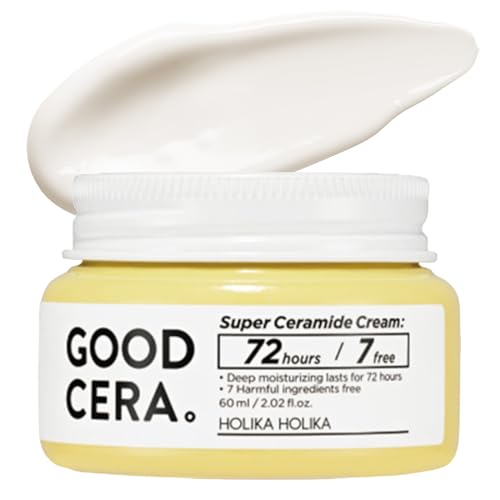
7. HOLIKA HOLIKA Good Cera Super Ceramide Cream — Best for Deep Nourishment
When your sensitive skin needs serious nourishment — the kind that lasts through harsh weather, heating systems, and long days — HOLIKA HOLIKA's ceramide cream delivers. The Power Ceramide complex blends three types of ceramides (NP, AP, and EOP) to reinforce your skin's moisture barrier and lock in hydration for up to 72 hours. That's three full days of moisture protection from a single application, which is the longest-lasting formula on this list. According to the National Institutes of Health, ceramides make up roughly 50% of the skin's lipid barrier, making them essential for maintaining healthy skin function.
The pH 5.5 formula is specifically calibrated to match your skin's natural acid mantle — the protective layer that gets disrupted by harsh cleansers and environmental stress. This matters because a compromised acid mantle is one of the primary reasons sensitive skin overreacts to products. By working at the right pH, this cream supports your skin's natural defenses rather than fighting against them. The formula also includes shea butter, squalane, beta-glucan, and sodium hyaluronate for comprehensive lipid layer repair.
One unique feature is the bacillus ferment, a probiotic ingredient that gently softens rough patches and flaky areas. This isn't a chemical exfoliant — it's a gentle biological approach to refining skin texture. By smoothing the surface, it also helps your other skincare products absorb better. If you use serums or essences before your moisturizer, this cream actually makes them work harder. The 2.02 oz jar provides enough product for about five to six weeks of daily use, and the cream layers beautifully over the best Korean toners for dry skin.
Pros:
- Triple ceramide complex provides up to 72 hours of deep hydration
- pH 5.5 formula respects and restores the skin's natural acid mantle
- Probiotic ferment gently refines texture and improves product absorption
- Rich blend of shea butter, squalane, and beta-glucan for complete nourishment
Cons:
- Heavy texture may feel too rich for hot, humid climates
- Contains fragrance ingredients that could trigger ultra-sensitive skin
Choosing the Right Korean Moisturizer for Sensitive Skin: A Buying Guide
Identify Your Skin Type Within Sensitive Skin
Not all sensitive skin is the same. You might have sensitive-dry skin that flakes and feels tight, sensitive-oily skin that breaks out and gets shiny, or sensitive-combination skin that does both depending on the zone. Your moisturizer choice depends on which camp you fall into. For dry-sensitive skin, go with richer formulas like the Beauty of Joseon Dynasty Cream or HOLIKA HOLIKA ceramide cream. For oily-sensitive skin, lightweight options like the COSRX Snail Mucin or Pyunkang Yul work better. If you're combination, the ROUND LAB Birch Juice cream balances both needs.
Key Ingredients to Look For (and Avoid)
Ingredients that help sensitive skin: Ceramides rebuild your moisture barrier. Hyaluronic acid pulls water into the skin without irritation. Centella asiatica (cica) calms redness and inflammation. Snail mucin repairs and moisturizes simultaneously. Panthenol (vitamin B5) soothes and promotes healing. Niacinamide strengthens the barrier and evens skin tone.
Ingredients to avoid: Synthetic fragrances are the number one trigger for sensitive skin reactions. Alcohol denat dries out and irritates. Essential oils — even "natural" ones like lavender and tea tree — can cause contact dermatitis. Sulfates strip your natural oils. If a product has a long ingredient list full of words you can't pronounce, that's not automatically bad, but fewer ingredients generally means fewer chances for a reaction. For more guidance on building a complete routine, explore our health and skincare guides.
Texture and Consistency Matter
Korean moisturizers come in several textures, and picking the right one affects how your skin responds. Gel creams (like COSRX Snail Mucin) are lightweight and absorb fast — perfect for layering and oily skin. Standard creams (like ETUDE SoonJung) offer balanced hydration for most skin types. Rich creams (like Beauty of Joseon Dynasty) provide intense nourishment for dry skin but can feel heavy in warm weather. Water creams and sleeping packs are additional options worth exploring, but for daily sensitive skin care, a standard or gel cream covers most people's needs.
How to Patch Test Properly
Before slathering any new moisturizer all over your face, patch test it first. Apply a small amount to the inside of your forearm or behind your ear. Wait 24 to 48 hours. If there's no redness, itching, or bumps, try a small spot on your jawline for another day. Only then should you use it on your full face. This two-step approach catches both immediate allergic reactions and delayed sensitivity responses. It takes patience, but it saves you from a full-face breakout that could take weeks to heal.
Common Questions
How often should you apply Korean moisturizer for sensitive skin?
Apply your moisturizer twice daily — once in the morning after cleansing and toning, and once at night before bed. Sensitive skin benefits from consistent hydration. If you skip your morning application, your skin is exposed to environmental stressors without a protective moisture barrier. At night, moisturizer supports your skin's natural repair cycle. Always apply to slightly damp skin for better absorption.
Can you use Korean moisturizer with active ingredients like retinol or vitamin C?
Yes, but timing matters. Apply active serums first on clean skin, wait two to three minutes for absorption, then layer your moisturizer on top. The moisturizer actually helps buffer the intensity of actives, reducing irritation. If you're using retinol, start with every other night and always follow with a gentle moisturizer. For vitamin C serums, apply in the morning under your moisturizer and sunscreen.
What's the difference between a Korean moisturizer and a Western one?
Korean moisturizers tend to use lighter textures with more hydrating layers, while Western formulas often rely on heavier occlusives (ingredients that sit on top of skin to prevent water loss). Korean formulas also prioritize barrier-supporting ingredients like ceramides, snail mucin, and fermented extracts. The Korean approach focuses on flooding skin with hydration through multiple light layers rather than sealing everything in with one thick cream.
Is snail mucin safe for sensitive skin?
Snail mucin is one of the safest ingredients for sensitive skin. It's naturally anti-inflammatory, promotes cell regeneration, and provides gentle moisture without common irritants. Allergic reactions to snail mucin are rare, but if you have a known allergy to dust mites, there's a small cross-reactivity risk. Patch test first as you would with any new product. The 92% concentration in COSRX's formula has been used by millions of sensitive skin users worldwide without widespread issues.
Do Korean moisturizers work in dry or cold climates?
They work extremely well, but you need to choose the right formula. Lightweight gel creams alone won't cut it in harsh winter conditions. For cold, dry climates, pick a richer formula like the HOLIKA HOLIKA ceramide cream or Beauty of Joseon Dynasty Cream. You can also layer a lightweight Korean moisturizer under a heavier occlusive at night. The key is that Korean hydrating ingredients like hyaluronic acid need some ambient moisture to work optimally, so pair them with an occlusive layer in very dry environments.
How long does it take to see results from a new Korean moisturizer?
You should feel an immediate difference in hydration and comfort within the first application. Visible improvements in skin texture, redness reduction, and barrier strength typically show within two to four weeks of consistent use. Full results — including reduced sensitivity reactions and improved skin resilience — take about six to eight weeks. Give your skin a full cycle before judging whether a moisturizer works for you. Switching products too frequently actually makes sensitive skin worse.
Buy on Walmart
- COSRX Snail Mucin 92% Face Moisturizer, 3.52 Oz, Lightweight — Walmart Link
- ETUDE SoonJung 2x Intensive Cream for Barrier Repair, Rich M — Walmart Link
- innisfree Green Tea Seed Hyaluronic Acid Cream With Barrier — Walmart Link
- ROUND LAB Birch Juice Moisturizing Cream 2.7 Fl Oz, 48-Hour — Walmart Link
- Beauty of Joseon Dynasty Cream Hydrating Face Moisturizer fo — Walmart Link
- Pyunkang Yul PKY Calming Moisture Barrier Cream Instantly So — Walmart Link
- HOLIKA HOLIKA Good Cera Super Ceramide Cream | Soothing Faci — Walmart Link
Buy on eBay
- COSRX Snail Mucin 92% Face Moisturizer, 3.52 Oz, Lightweight — eBay Link
- ETUDE SoonJung 2x Intensive Cream for Barrier Repair, Rich M — eBay Link
- innisfree Green Tea Seed Hyaluronic Acid Cream With Barrier — eBay Link
- ROUND LAB Birch Juice Moisturizing Cream 2.7 Fl Oz, 48-Hour — eBay Link
- Beauty of Joseon Dynasty Cream Hydrating Face Moisturizer fo — eBay Link
- Pyunkang Yul PKY Calming Moisture Barrier Cream Instantly So — eBay Link
- HOLIKA HOLIKA Good Cera Super Ceramide Cream | Soothing Faci — eBay Link
The best Korean moisturizer for sensitive skin isn't the most expensive one — it's the one with the shortest ingredient list that your skin doesn't react to.


About Austin Park
Austin Park is a Korean beauty enthusiast and product researcher who has spent years studying the K-beauty industry — tracking ingredient trends, comparing formulations, and evaluating how Korean skincare and cosmetic brands perform for a wide range of skin types. His research-driven approach to product evaluation focuses on ingredient lists, brand transparency, and real-world results rather than marketing claims. At BestKoreanGuide, he covers Korean skincare routines, product reviews, and ingredient guides for readers building their first K-beauty routine or expanding an existing one.
You can get FREE Gifts. Or latest Free phones here.
Disable Ad block to reveal all the info. Once done, hit a button below