You should start using eye cream in your mid-twenties. That is the straightforward answer most dermatologists agree on. The skin around your eyes is the thinnest on your entire body — roughly 0.5mm compared to 2mm elsewhere. This means it shows signs of aging faster than any other area. Understanding when to start using eye cream gives you a serious head start against fine lines, dark circles, and puffiness. Even if you already have a solid skincare routine, your under-eye area needs targeted attention that regular moisturizers simply cannot provide.

The under-eye area lacks oil glands. It has fewer collagen fibers. It moves constantly — every blink, squint, and smile creates micro-movements. By the time visible wrinkles appear, the damage has been building for years. Prevention is far easier than correction, which is exactly why timing matters so much.
Whether you are 20 and just getting curious or 35 and playing catch-up, this guide walks you through everything you need to know about starting, applying, and maintaining an effective eye cream routine.
Contents
- When to Start Using Eye Cream by Age
- How to Apply Eye Cream the Right Way
- Common Eye Cream Mistakes That Hurt Your Results
- Choosing the Right Eye Cream Ingredients
- Fixing Under-Eye Issues You Already Have
- Pro Tips for Better Eye Cream Results
- Long-Term Under-Eye Care and Maintenance
- Frequently Asked Questions
- Final Thoughts
When to Start Using Eye Cream by Age
Your ideal starting point depends on your age, genetics, and lifestyle. Here is a clear breakdown of what your under-eye area needs at each stage.
Your Early 20s: Prevention Phase
You do not need heavy anti-aging formulas yet. Focus on hydration and protection:
- Use a lightweight eye cream with hyaluronic acid for moisture
- Apply SPF daily — UV exposure is the top cause of premature eye-area aging
- Start the habit now so it becomes automatic
- Look for gel-based formulas that absorb quickly
Late 20s to 30s: Active Treatment
Collagen production starts declining around age 25. This is when when to start using eye cream becomes urgent for most people:
- Switch to formulas with retinol or peptides
- Address early fine lines before they deepen
- Add vitamin C for brightening if dark circles appear
- Use both morning and night formulas
40s and Beyond: Intensive Repair
At this stage, your focus shifts to repair and firming:
- Choose richer creams with ceramides and squalane
- Prioritize peptide complexes that stimulate collagen
- Consider products with niacinamide for skin barrier repair
- Consistency matters more than ever
How to Apply Eye Cream the Right Way
Application technique matters as much as the product itself. The wrong approach can tug delicate skin and accelerate wrinkling.
Step-by-Step Application
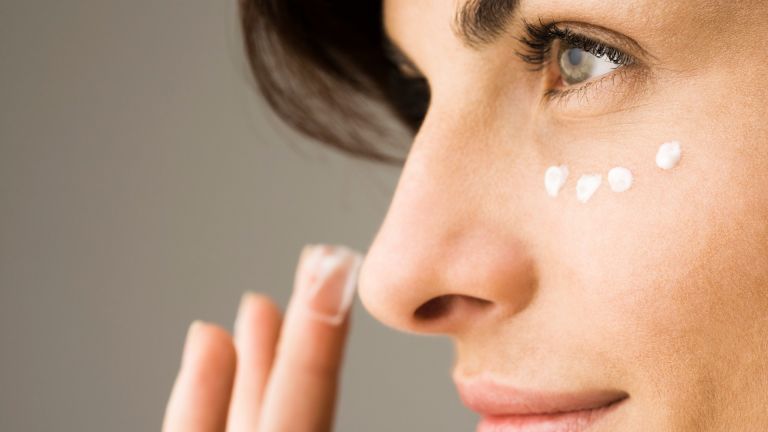
- Dispense a pea-sized amount — split between both eyes. More product does not mean more results.
- Dot the cream along your orbital bone. Place small dots from the inner corner under your eye to the outer corner, then continue above to the brow bone.
- Use your ring finger to tap gently. Your ring finger applies the least pressure naturally.
- Pat inward along the under-eye area. Never drag or pull.
- Let it absorb for 60 seconds before applying moisturizer or makeup.
Where It Fits in Your Routine
Eye cream goes after serums and before moisturizer. If you are building a full K-beauty routine, the order is:
- Cleanser
- Toner (check out the benefits of using toners if you are skipping this step)
- Essence or serum
- Eye cream
- Moisturizer
- Sunscreen (AM only)
Common Eye Cream Mistakes That Hurt Your Results
Most people waste good products through bad habits. Avoid these errors:
- Using too much product — excess cream migrates into your eyes and causes irritation or milia (tiny white bumps)
- Rubbing instead of tapping — dragging stretches the thin skin and creates more wrinkles
- Applying too close to the lash line — product travels, so start on the orbital bone
- Skipping sunscreen — no eye cream can outpace daily UV damage
- Switching products every two weeks — give any formula 6-8 weeks before judging results
- Using your face moisturizer as eye cream — facial moisturizers are often too heavy or contain irritants not suited for the eye area
- Only applying at night — morning application protects against daytime environmental stressors
Choosing the Right Eye Cream Ingredients
The ingredient list determines whether an eye cream actually works for your concern. Not all eye creams target the same problems. Here is what to look for based on what you are trying to fix.
Ingredients by Concern
| Concern | Key Ingredients | What They Do |
|---|---|---|
| Fine lines | Retinol, peptides, adenosine | Boost collagen production and smooth texture |
| Dark circles | Vitamin C, niacinamide, arbutin | Brighten pigmentation and strengthen capillaries |
| Puffiness | Caffeine, green tea, centella | Reduce fluid retention and calm inflammation |
| Dryness | Hyaluronic acid, ceramides, squalane | Lock in moisture and repair the skin barrier |
| Crow's feet | Bakuchiol, collagen peptides | Firm skin without the irritation of retinol |
| General prevention | Antioxidants, SPF, snail mucin | Shield against free radicals and environmental stress |
Korean eye creams often combine multiple actives in one formula. If you want specific product recommendations, browse our guide to the best Korean under eye creams for proven options across different budgets.

Fixing Under-Eye Issues You Already Have
Already dealing with visible problems? Here is how to address each one:
Milia (tiny white bumps):
- Switch to a lighter, gel-based formula
- Apply less product and keep it on the orbital bone
- Avoid heavy occlusives like mineral oil near the eyes
Irritation or stinging:
- Your product likely contains retinol or vitamin C at too high a concentration
- Scale back to every other night
- Buffer by applying moisturizer first, then eye cream
No visible results after 8 weeks:
- Check that your product targets your actual concern (see the ingredient table above)
- Confirm you are applying enough — too little delivers insufficient actives
- Evaluate your overall routine: eye cream cannot compensate for skipping sunscreen or sleeping in makeup
Puffiness getting worse:
- Store your eye cream in the fridge for a de-puffing effect
- Apply with gentle upward tapping motions to encourage lymphatic drainage
- Rule out allergies — new formulas can trigger swelling in sensitive individuals
Pro Tips for Better Eye Cream Results
These techniques separate average results from truly visible improvements:
- Layer strategically — use a hydrating eye serum underneath your eye cream for double the moisture delivery
- Keep a separate AM and PM eye product. Morning formulas should be lightweight with caffeine. Night formulas can be richer with retinol or peptides.
- Apply to the brow bone too. The skin above your eyes ages just as fast but gets ignored.
- Wear sunglasses outdoors. Squinting causes mechanical wrinkles that no cream can prevent.
- Sleep on your back when possible. Side sleeping compresses the under-eye tissue for hours every night.
- Stay hydrated. Dehydration shows up under your eyes first because the skin there is so thin.
- Replace your eye cream every 6-12 months. Open products oxidize and lose potency over time.
If you are dealing with multiple skin concerns beyond the eye area, Korean anti-aging creams can complement your eye cream routine with full-face peptide and retinol delivery.
Long-Term Under-Eye Care and Maintenance
Eye cream is one piece of the puzzle. Long-term under-eye health requires a holistic approach:
- Sunscreen every single day — use a mineral or hybrid formula rated SPF 30+ around the eyes
- Remove makeup gently — press a soaked cotton pad against closed eyes for 10 seconds before wiping, never scrub
- Get 7-8 hours of sleep — dark circles and puffiness worsen dramatically with sleep deprivation
- Limit screen time before bed — blue light exposure disrupts sleep quality and increases eye strain
- Eat foods rich in vitamin K, iron, and omega-3 fatty acids — these support healthy blood circulation and reduce dark circle appearance
Your routine should evolve as you age. Reassess your eye cream every 2-3 years and upgrade ingredients as your skin's needs change. What worked at 25 will not be sufficient at 40.
Monthly check-in habit: Take a close-up photo of your under-eye area on the first of each month under the same lighting. After three months of consistent use, compare photos side by side. This objective record shows progress that the mirror often hides.
Frequently Asked Questions
Is 20 too young to start using eye cream?
No. Starting at 20 with a lightweight hydrating formula builds a prevention habit early. You do not need anti-aging actives yet — focus on hyaluronic acid and gentle moisturizing ingredients to keep the area supple.
Can I just use my regular moisturizer around my eyes?
Regular moisturizers are formulated for thicker facial skin. They often contain fragrances, active acids, or heavy oils that irritate the delicate eye area. Dedicated eye creams use smaller molecular structures designed to absorb without causing milia or puffiness.
How long does it take to see results from eye cream?
Expect 6-8 weeks of consistent twice-daily use before visible changes. Hydration improvements show up within days, but structural changes like reduced fine lines require new collagen formation, which takes time.
Should I apply eye cream in the morning and at night?
Yes. Morning application protects against environmental damage and reduces puffiness. Night application supports repair and collagen production during sleep. Use lighter textures in the AM and richer formulas at PM.
Does eye cream help with genetic dark circles?
Genetic dark circles caused by thin skin or deep-set bone structure cannot be fully eliminated by topical products. However, eye creams with vitamin C and niacinamide visibly reduce their appearance by brightening pigmentation and strengthening the skin.
Can eye cream cause milia?
Yes, if you use too much product or apply it too close to the lash line. Heavy formulas with occlusive ingredients are the usual culprits. Switch to a gel-based eye cream and apply only on the orbital bone to prevent milia formation.
What is the difference between eye cream and eye serum?
Eye serums are water-based with concentrated actives that penetrate deeply. Eye creams are emollient-based and create a protective moisture barrier on top. For best results, layer the serum first, then seal it with the cream.
Final Thoughts
The best time to start using eye cream was years ago. The second best time is today. Pick a formula that matches your age and primary concern from the ingredient table above, commit to twice-daily application using your ring finger, and give it a full eight weeks before you judge the results. Your future self will thank you for every day you protected that delicate under-eye skin.


About Austin Park
Austin Park is a Korean beauty enthusiast and product researcher who has spent years studying the K-beauty industry — tracking ingredient trends, comparing formulations, and evaluating how Korean skincare and cosmetic brands perform for a wide range of skin types. His research-driven approach to product evaluation focuses on ingredient lists, brand transparency, and real-world results rather than marketing claims. At BestKoreanGuide, he covers Korean skincare routines, product reviews, and ingredient guides for readers building their first K-beauty routine or expanding an existing one.
You can get FREE Gifts. Or latest Free phones here.
Disable Ad block to reveal all the info. Once done, hit a button below