Have you ever applied sunscreen only to look like you're wearing a ghostly mask? You're not alone — and understanding how to reduce sunscreen white cast starts with knowing exactly why it happens in the first place. White cast is one of the most common complaints in skincare, particularly among those who rely on mineral-based UV protection. The good news: K-beauty formulators have spent years engineering solutions that deliver broad-spectrum coverage without that chalky residue. This guide breaks down the science behind white cast, compares your options, and gives you a clear path to cast-free sun protection.

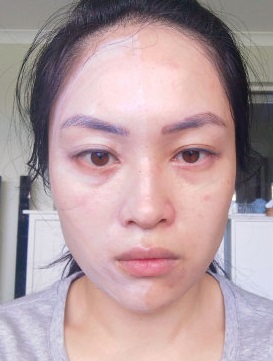
White cast isn't a flaw in the product — it's a byproduct of how physical UV filters work. Zinc oxide and titanium dioxide sit on your skin's surface and physically scatter UV rays. That scattering effect is the same mechanism that makes them appear white. The intensity of the cast depends on particle size, concentration, and your skin tone. Darker skin tones experience it more visibly, which has historically made mineral sunscreen a harder sell across diverse markets.
Korean beauty brands recognized this gap early. Through micronization technology, hybrid formulations, and elegant cosmetic bases, K-beauty sunscreens now offer some of the most wearable mineral and combination SPF products available anywhere. Whether you prefer a dedicated mineral sunscreen or a lightweight chemical option, there's a formula that works for your skin without the white-out effect.
Contents
What Causes Sunscreen White Cast
To effectively learn how to reduce sunscreen white cast, you first need to understand what's creating it. White cast is an optical phenomenon caused by mineral UV filters — specifically zinc oxide (ZnO) and titanium dioxide (TiO₂). These inorganic compounds reflect and scatter ultraviolet radiation, and that same light-scattering property produces the visible white film on skin. According to the Wikipedia entry on zinc oxide, this compound has been used in topical applications for centuries precisely because of its opaque, protective qualities.
Zinc Oxide vs. Titanium Dioxide
Both ingredients cause white cast, but they behave differently. Zinc oxide provides broader UVA protection and tends to produce a more noticeable cast because it's typically used at higher concentrations (15–25%). Titanium dioxide offers stronger UVB filtering but weaker UVA coverage, and it generally leaves a slightly less visible residue at standard concentrations. Most mineral sunscreens use a combination of both to achieve balanced broad-spectrum protection, which compounds the cast issue.
How Particle Size Affects Visibility
This is where the science gets practical. Standard mineral particles are 200–400 nanometers in diameter — large enough to scatter visible light and appear white. Micronized versions reduce particles to 100–200nm, and nano-sized particles drop below 100nm. The smaller the particle, the less visible light scattering occurs, and the less white cast you see. Korean sunscreen manufacturers have been pioneers in micronization technology, producing formulas where mineral filters are ground fine enough to minimize cast while maintaining UV protection. The tradeoff is that extremely small nanoparticles raise questions about skin penetration, though current research indicates they remain on the skin surface when applied to intact skin.
Mineral vs. Chemical Filters: A White Cast Breakdown
The easiest way to eliminate white cast entirely is to switch to a chemical (organic) sunscreen. But that's not always ideal — especially if you have sensitive or reactive skin. Here's how the two categories stack up in terms of cast, feel, and protection.
Filter Comparison at a Glance
| Factor | Mineral (Physical) | Chemical (Organic) | Hybrid |
|---|---|---|---|
| White Cast | Moderate to heavy | None | Minimal |
| UV Coverage | Broad-spectrum (ZnO) | Varies by filter combo | Broad-spectrum |
| Skin Sensitivity | Excellent — low irritation | May irritate reactive skin | Good for most types |
| Texture | Thicker, can pill | Lightweight, fluid | Balanced |
| Reef Safety | Generally reef-safe | Some filters harmful | Depends on formula |
| Avg. Price (K-Beauty) | $14–$28 | $10–$22 | $12–$25 |
The Hybrid Approach
Korean formulators excel at hybrid sunscreens that combine a low percentage of mineral filters with newer-generation chemical filters like Tinosorb S or Uvinul A Plus. This approach gives you the gentle, broad-spectrum qualities of minerals with the cosmetic elegance of chemical formulas. If you've been struggling with cast from pure mineral products, a hybrid K-beauty sunscreen is often the most practical middle ground. Many of the best Korean sunscreens for acne-prone skin use this exact strategy — lightweight enough not to clog pores, mineral enough to keep irritation low.
Pro tip: If a Korean sunscreen lists both zinc oxide and chemical filters like Homosalate or Octisalate in its ingredients, it's a hybrid. These typically produce less than half the white cast of a pure mineral formula.
How to Reduce Sunscreen White Cast in Your Routine
Choosing the right product is only half the equation. How you apply your sunscreen matters just as much for managing white cast. These techniques work whether you're using mineral, hybrid, or even tinted formulas.
Application Techniques That Work
Start by warming the product between your fingertips before pressing it into your skin. Cold, thick mineral sunscreens spread unevenly and leave visible streaks. Apply in thin layers — two lighter coats blend more seamlessly than one heavy application. Pat and press the product rather than rubbing aggressively, which can cause pilling with certain bases. Give each layer 60 seconds to set before adding the next. You'll find that patience during application eliminates most visible cast even with heavier mineral formulas.
Another overlooked trick: apply sunscreen to slightly damp skin. After your toner or essence step — and Korean routines built around toner benefits make this second nature — the residual moisture helps mineral particles distribute more evenly across your face.
Layering with Other Products
Your pre-sunscreen layers directly affect white cast intensity. A well-hydrated base gives mineral particles something to grip onto, reducing that surface-sitting chalkiness. Use a lightweight hydrating toner, follow with an essence or serum, and let each layer absorb before sunscreen. If you have oily skin, a Korean BB cream designed for oily skin applied over your sunscreen can neutralize residual cast while adding light coverage. For dry skin types, a rich Korean day cream underneath creates a smoother canvas that mineral filters glide over instead of sitting on top of.

When Mineral Sunscreen Is Still the Right Call
Despite the cast issue, there are situations where mineral sunscreen remains the superior choice. Knowing when to reach for it — and when to opt for a chemical alternative — saves you from unnecessary compromise.
Sensitive and Reactive Skin
If you deal with rosacea, eczema, or contact dermatitis, chemical UV filters can trigger flare-ups. Ingredients like avobenzone and oxybenzone are known irritants for reactive skin. In these cases, a mineral formula with micronized zinc oxide is your safest bet — white cast and all. The same applies post-procedure: after chemical peels, laser treatments, or microneedling, dermatologists universally recommend mineral-only protection during the healing window. A temporary white cast is a small price for protecting compromised skin.
For children and those with fragrance sensitivities, mineral formulas also win on safety. They don't absorb into the bloodstream the way some chemical filters do, which makes them the default recommendation from most pediatric dermatologists.
K-Beauty Options Worth the Investment
Korean brands have invested heavily in solving the white cast problem without abandoning mineral filters entirely. Brands like Beauty of Joseon, Round Lab, and Isntree offer mineral and hybrid sunscreens with sophisticated bases that minimize cast dramatically. Tinted mineral sunscreens are another route — they use iron oxides to counteract the white appearance while adding visible-light protection that untinted versions lack. Expect to pay $16–$28 for a premium K-beauty mineral sunscreen, but the cosmetic elegance justifies the cost compared to Western drugstore mineral options that sit like paste on your face.
Frequently Asked Questions
Does white cast from sunscreen go away on its own?
Some white cast fades slightly as the sunscreen absorbs and sets over 10–15 minutes. However, heavy mineral formulas with high zinc oxide concentrations maintain visible cast throughout wear. Switching to a micronized or hybrid formula is a more reliable solution than waiting it out.
Is white cast worse on darker skin tones?
Yes. White cast is more visible on medium to deep skin tones because the contrast between the white mineral film and the skin is greater. Tinted mineral sunscreens or hybrid formulas are particularly important for deeper complexions.
Can I mix sunscreen with moisturizer to reduce white cast?
Mixing dilutes the SPF concentration and compromises protection. Instead, apply a hydrating moisturizer underneath and let it absorb fully before layering sunscreen on top. This achieves better blending without sacrificing UV coverage.
Do all mineral sunscreens cause white cast?
Most do to some degree, but the intensity varies widely. Nano-sized zinc oxide and titanium dioxide particles produce significantly less visible cast. Korean formulations using micronized minerals in lightweight bases show minimal to no noticeable cast on lighter skin tones.
Are chemical sunscreens safer than mineral ones?
Both are considered safe for topical use. Mineral filters sit on the skin surface, while some chemical filters absorb into the bloodstream at low levels. For sensitive or post-procedure skin, mineral is generally the safer choice. For daily cosmetic wear, both categories are well-tolerated by most people.
How do I know if my sunscreen is mineral or chemical?
Check the active ingredients. If you see zinc oxide or titanium dioxide, it's mineral. If you see ingredients like avobenzone, homosalate, octinoxate, or newer filters like Tinosorb, it's chemical. Both listed together means it's a hybrid formula.
Does setting powder help with sunscreen white cast?
A light dusting of translucent or skin-toned setting powder can reduce the appearance of white cast by mattifying the surface and adding a tint layer. It doesn't eliminate the cast but makes it less noticeable, especially under artificial lighting.
How much sunscreen should I apply to my face?
Use approximately a nickel-sized amount (about 1.25 ml) for your face alone. Under-applying is the most common sunscreen mistake and actually worsens white cast appearance because uneven coverage creates patchy white spots instead of a uniform finish.
Final Thoughts
White cast doesn't have to be the price you pay for proper sun protection. Start by identifying whether your current sunscreen is pure mineral, hybrid, or chemical — then apply the techniques above to your next application. If you're still battling visible cast, explore the K-beauty hybrid and tinted mineral options that have made this problem largely optional. Your next sunscreen purchase should protect your skin and disappear into it.


About Austin Park
Austin Park is a Korean beauty enthusiast and product researcher who has spent years studying the K-beauty industry — tracking ingredient trends, comparing formulations, and evaluating how Korean skincare and cosmetic brands perform for a wide range of skin types. His research-driven approach to product evaluation focuses on ingredient lists, brand transparency, and real-world results rather than marketing claims. At BestKoreanGuide, he covers Korean skincare routines, product reviews, and ingredient guides for readers building their first K-beauty routine or expanding an existing one.
You can get FREE Gifts. Or latest Free phones here.
Disable Ad block to reveal all the info. Once done, hit a button below