If you're short on time, the LANEIGE Water Bank Blue Hyaluronic Cream is our top pick for most people — it hydrates all skin types without feeling heavy under makeup. Korean day creams have earned a massive following in 2026, and for good reason. They tend to layer beautifully, absorb fast, and pack in powerhouse ingredients like hyaluronic acid, ceramides, and botanical extracts that Western creams often skip.

Whether your skin runs dry, oily, sensitive, or somewhere in between, there's a Korean moisturizer built for your exact situation. The tricky part is narrowing down the options. With dozens of brands and hundreds of formulas on the market, choosing the right day cream can feel overwhelming. That's why we tested seven of the most popular options across different skin types and price points.
In this guide, we'll walk you through each product with honest reviews, a buying guide to help you understand what actually matters in a day cream, and answers to the most common questions. If you're building out a full Korean skincare routine, a solid day cream is one of the most important steps you can lock in.
Contents
- Best Choices for 2026
- Our Hands-On Reviews
- LANEIGE Water Bank Blue Hyaluronic Cream
- innisfree Green Tea Seed Hyaluronic Acid Cream
- Sulwhasoo Concentrated Ginseng Rejuvenating Cream
- ETUDE SoonJung Hydro Barrier Cream
- Dr.Jart+ Cicapair Tiger Grass Color Correcting Treatment
- Torriden DIVE IN Hyaluronic Acid Soothing Cream
- Illiyoon Ceramide Ato Concentrate Cream
- Buying Guide
- FAQs
- Final Thoughts
Best Choices for 2026
- #PreviewProductRating
- Bestseller No. 1
 Rating:

- Bestseller No. 2
 Rating:
 - Bestseller No. 3
 Rating:
 - Bestseller No. 4
 Rating:
 - Bestseller No. 5
 Rating:
 - Bestseller No. 6
 Rating:
 - Bestseller No. 7
 Rating:

Our Hands-On Reviews
1. LANEIGE Water Bank Blue Hyaluronic Cream — Best Overall Day Cream
LANEIGE has been a staple in Korean skincare for years, and the Water Bank Blue Hyaluronic Cream shows exactly why. This updated formula uses Blue Hyaluronic Acid, which the brand says penetrates deeper than regular hyaluronic acid to deliver long-lasting hydration. It also includes squalane and ceramide to reinforce your skin's moisture barrier — the protective layer that keeps irritants out and water in.
What really stands out here is how versatile this cream is across skin types. Whether your skin is normal, dry, combination, or even oily, the lightweight gel-cream texture absorbs quickly without leaving a greasy film. It layers perfectly under sunscreen and makeup, which is exactly what you want from a day cream. The formula is dermatologist-tested, so if you've got sensitive skin, this is a relatively safe bet.
On the downside, if you have very dry skin and live in a harsh winter climate, you might find this doesn't provide enough richness on its own. You'd want to layer a heavier night cream on top or pair it with a hydrating serum. But for everyday daytime use in 2026, this is the cream most people will be happiest with.
Pros:
- Works across all skin types — normal, dry, combination, and oily
- Lightweight texture absorbs fast and layers well under makeup
- Dermatologist-tested with barrier-supporting ceramides and squalane
Cons:
- May not be rich enough for severely dry skin in winter
- Premium price point compared to drugstore alternatives

2. innisfree Green Tea Seed Hyaluronic Acid Cream — Best for Balanced Hydration
innisfree built this cream around their Green Tea Barrier Complex, which combines green tea seed oil, plant-derived squalane, and ceramide. Think of it as a triple-threat for your moisture barrier. The brand claims it improves moisture barrier strength by 113% after just one use, based on a clinical study of 31 women — a bold number, but the ingredient list backs it up. On top of that, the formula includes five types of hyaluronic acid at different molecular weights, so hydration reaches multiple layers of your skin rather than just sitting on the surface.
The texture is creamy but not heavy, and it absorbs cleanly within about a minute. You can use it both morning and night, though for daytime use you'll want to follow up with a sunscreen. If you're someone who cares about ingredient sourcing, innisfree's Jeju Island green tea has become one of the most recognized botanical ingredients in K-beauty. This cream is a perfect companion if you're already using products from our list of the best Korean skincare for dry skin.
One thing to keep in mind: the green tea scent is noticeable. Most people find it pleasant and natural, but if you're sensitive to fragrance in skincare, you might want to patch test first. The jar packaging also means you're dipping fingers into the product, which isn't ideal for hygiene — consider using a small spatula.
Pros:
- Five types of hyaluronic acid for multi-layer hydration
- Clinically shown to boost moisture barrier strength significantly
- Versatile enough for both AM and PM use
Cons:
- Noticeable green tea fragrance may bother scent-sensitive users
- Jar packaging is less hygienic than pump or tube designs
3. Sulwhasoo Concentrated Ginseng Rejuvenating Cream — Best Luxury Anti-Aging
Let's get the elephant in the room out of the way: Sulwhasoo is expensive. This is Korea's number one luxury anti-aging cream based on cumulative sales data, and even the mini size carries a premium price tag. But if you're serious about tackling fine lines and loss of firmness in 2026, this is the gold standard in K-beauty anti-aging.
The formula is powered by patented Korean Ginseng Actives (the brand calls them Ginsenomics), which are designed to amplify your skin's natural rejuvenating abilities. You also get a six-peptide blend for firmness and elasticity, plus a gentle vitamin C derivative for antioxidant protection. Together, these ingredients work to visibly plump the skin and reduce the appearance of wrinkles. The brand claims 24-hour hydration based on instrumental testing, and in daily use the cream does feel impressively moisturizing throughout the day.
The texture is rich and luxurious — almost velvety — which makes it feel like a treat every morning. It does take a bit longer to absorb than lighter gel creams, so give it a minute or two before applying sunscreen or makeup. If you're interested in anti-aging Korean skincare beyond day creams, check out our roundup of the best Korean anti-aging creams for more options at different price points.
![[Klairs] Rich Moist Soothing Cream Reviews](https://s.bestkoreanguide.com/static/user_img/wp-content/uploads/2020/10/Klairs-Rich-Moist-Soothing-cream-244x300.jpg)
Pros:
- Patented ginseng technology backed by decades of Korean herbal science
- Visibly plumps skin and reduces the look of fine lines over time
- Luxurious texture that feels nourishing without being greasy
Cons:
- High price tag, even for the mini size
- Richer texture takes longer to absorb — not ideal if you're in a rush
4. ETUDE SoonJung Hydro Barrier Cream — Best for Sensitive Skin
If your skin throws a tantrum every time you try something new, the ETUDE SoonJung line was literally designed for you. This Hydro Barrier Cream is built around two calming heroes: panthenol (vitamin B5, which strengthens your skin barrier and soothes dryness) and madecassoside (a compound from centella asiatica that calms irritation and protects against environmental stress). The formula is 92.2% moisturizing ingredients, non-comedogenic, and pH-balanced to match your skin's natural acidity.
The gel formula is refreshing and absorbs almost instantly, leaving zero stickiness behind. This makes it a fantastic option if you have oily-sensitive or combination-sensitive skin and find most "sensitive skin" creams too heavy. It replenishes moisture without overloading your face. The jar packaging holds 4.39 fl oz, which is a generous amount for the price.
The trade-off? This cream is all about calming and hydrating — it doesn't have any active anti-aging or brightening ingredients. If you need those benefits, you'll need to layer a separate serum underneath. But for pure barrier repair and gentle hydration, this is hard to beat in 2026.
Pros:
- Extremely gentle — ideal for reactive, sensitive, or compromised skin
- pH-balanced, non-comedogenic gel formula absorbs instantly
- Generous jar size offers great value for money
Cons:
- No anti-aging or brightening actives — purely a hydrating cream
- May not provide enough moisture for very dry skin types in winter
5. Dr.Jart+ Cicapair Tiger Grass Color Correcting Treatment — Best Multitasker with SPF
This one breaks the mold. The Dr.Jart+ Cicapair isn't just a moisturizer — it's a color-correcting treatment with SPF 30 built right in. The cream goes on green and transforms to a skin-toned beige as you blend it, neutralizing redness and evening out your complexion in real time. In a consumer study of 106 people, 92% said their skin looked less red immediately after application, and 91% said blemishes and discolorations looked concealed.
The star ingredient is centella asiatica (tiger grass), which has been used in traditional medicine for centuries and is now well-documented for its skin-soothing properties. The mineral SPF makes it a solid choice for sensitive skin that doesn't tolerate chemical sunscreens well. If you deal with rosacea, post-acne redness, or general uneven tone, this product can replace both your moisturizer and your color corrector in one step.
The catch is coverage and shade range. This product works best on light to medium skin tones. If you have deeper skin, the color correction won't blend as seamlessly. The travel size (0.5 fl oz) is also quite small, so you'll go through it quickly if you use it daily. For a fuller look at color-correcting options, our guide to the best Korean CC creams covers more shade-inclusive picks.
Pros:
- Color-correcting formula neutralizes redness instantly
- Built-in SPF 30 mineral sunscreen — fewer steps in your routine
- Centella asiatica soothes sensitive and irritation-prone skin
Cons:
- Color correction works best on lighter skin tones only
- Travel size runs out fast for daily use — you'll want the full size
6. Torriden DIVE IN Hyaluronic Acid Soothing Cream — Best Lightweight Gel Cream
Torriden has quickly become one of the most talked-about K-beauty brands in 2026, and the DIVE IN Soothing Cream shows why. This is a bouncy, elastic gel-type cream that absorbs into your skin almost on contact. There's no stickiness, no residue — just clean hydration. If you hate the feeling of "wearing" your moisturizer, this one might be your new favorite.
Under the hood, it uses a 5D Hyaluronic Acid Complex — five types of hyaluronic acid at high, mid, and low molecular weights. The idea is that these molecules form a 3D network within your skin layers, delivering moisture evenly and deeply rather than just hydrating the surface. Panthenol and allantoin round out the formula for extra soothing benefits, making this a great option for sensitive or easily irritated skin.
The tube packaging is a big plus — it's hygienic, portable, and easy to control how much product you squeeze out. At 100ml, it'll last you a solid two to three months with daily use. The only downside is that if your skin is very dry, the gel texture might not feel rich enough on its own. You might want to pair it with a facial oil or a heavier night cream during colder months.
Pros:
- Bouncy gel texture absorbs instantly with zero stickiness
- 5D Hyaluronic Acid Complex delivers multi-layer hydration
- Hygienic tube packaging with generous 100ml size
Cons:
- Gel texture may not be rich enough for very dry skin in cold weather
- Focuses mainly on hydration — no targeted anti-aging or brightening actives
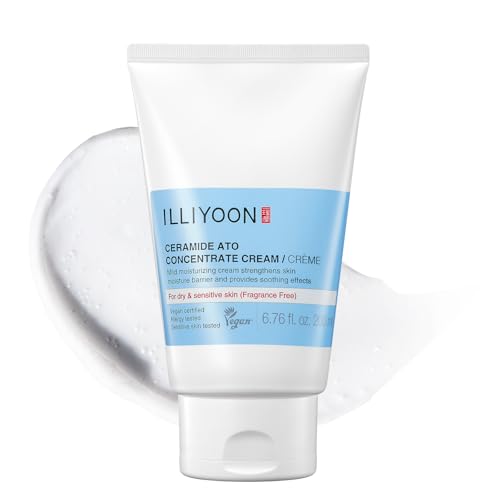
7. Illiyoon Ceramide Ato Concentrate Cream — Best for Dry and Severely Dehydrated Skin
When your skin is seriously parched — flaking, tight, uncomfortable — the Illiyoon Ceramide Ato Concentrate Cream is the heavy-duty rescue you need. This cream uses a multi-ceramide complex made from plant-sourced ceramides that closely mimic your skin's natural lipids. The blend of ceramides, fatty acids, and cholesterol is specifically designed to rebuild and reinforce your moisture barrier from the ground up.
The hydration stats on this product are genuinely impressive. Illiyoon claims 100 hours of moisture retention, with an immediate 328% surge in hydration after application and levels still elevated by 57% even after 100 hours. Those numbers come from controlled testing, and in real-world use the cream does deliver remarkable staying power. Your skin genuinely feels softer and more resilient for days, even if you skip a night.
Another standout feature: this cream is safe for all ages, including babies. The low pH formula and vegan certification make it a family-friendly choice. You can use it on your face and body, which makes the 6.76 fl oz tube a real workhorse product. The only downside for daytime use is the thicker texture — it can feel a bit heavy under makeup if you apply too much. Use a thin layer on your face in the morning and save the more generous application for nighttime or body use.
Pros:
- Clinically proven 100-hour moisture retention — exceptional staying power
- Multi-ceramide complex that mirrors your skin's natural barrier lipids
- Vegan, gentle enough for babies, and usable on face and body
Cons:
- Thicker texture can feel heavy under makeup if over-applied
- Oily skin types may find it too rich for daytime use in humid weather
Buying Guide: How to Choose the Best Korean Day Cream
With so many excellent options available, picking the right Korean day cream comes down to understanding your skin and your priorities. Here's what to focus on.
Know Your Skin Type First
This is the single most important factor. If you have oily or combination skin, look for gel-type or water-based creams like the Torriden DIVE IN or ETUDE SoonJung that absorb quickly and won't clog pores. Dry skin does better with richer, ceramide-heavy formulas like the Illiyoon Concentrate Cream. If you're not sure about your skin type, a safe middle ground is the LANEIGE Water Bank, which works across the board. For a deeper dive into products specifically for dry skin, see our guide to the best Korean moisturizers for dry skin.
Check the Key Ingredients
Korean day creams in 2026 tend to revolve around a few proven ingredients. Hyaluronic acid is the most common — it draws water into your skin and holds it there. Ceramides rebuild your moisture barrier, which is especially helpful if your skin is damaged or dehydrated. Centella asiatica (tiger grass) calms redness and irritation. Peptides and ginseng target signs of aging like fine lines and loss of firmness. Look at the ingredient list and match it to your main concern: hydration, barrier repair, calming, or anti-aging.
Texture and Layering
Since this is a day cream, think about what goes on top of it. You'll likely be applying sunscreen, primer, or makeup afterward, so the cream needs to play well with other products. Gel creams and water-based formulas layer the most easily. Richer, butter-like textures can pill under sunscreen if you rush the application. A good rule of thumb: wait about 60 seconds after your moisturizer before layering the next product. This gives the cream time to absorb and creates a smoother base.
Packaging and Hygiene
It might seem minor, but packaging matters more than you'd think. Tube and pump designs keep the product sealed from air and bacteria, which means the active ingredients stay potent longer. Jar packaging looks nice on a vanity, but every time you dip your fingers in, you introduce bacteria. If you go with a jar-format cream, use a clean spatula to scoop the product out. Also consider size — travel-size products are great for testing but expensive per ounce if you use them long-term.
FAQs
What makes Korean day creams different from Western moisturizers?
Korean day creams tend to focus on lightweight, fast-absorbing textures that layer well in a multi-step routine. They often feature innovative ingredients like snail mucin, ginseng, and multiple types of hyaluronic acid at different molecular weights. Western creams are more likely to rely on heavier occlusive formulas. The K-beauty approach prioritizes building hydration in thin layers rather than one thick coat.
Can I use a Korean day cream if I have oily skin?
Absolutely. In fact, many Korean day creams are specifically designed for oily and combination skin. Look for gel-type formulas like the Torriden DIVE IN or ETUDE SoonJung that hydrate without adding oil or shine. Skipping moisturizer because you have oily skin is actually counterproductive — dehydrated skin often overproduces oil to compensate, which can make breakouts worse.
Do I still need sunscreen if my day cream has SPF?
If your day cream has SPF 30 or higher (like the Dr.Jart+ Cicapair), it can provide adequate sun protection for casual daily exposure. However, most dermatologists recommend applying a dedicated sunscreen as a separate step because most people don't apply enough moisturizer to get the full SPF benefit. For extended outdoor time, always use a standalone sunscreen.
How long should I wait before applying makeup after my Korean day cream?
Give your day cream about 60 seconds to fully absorb before layering sunscreen or makeup on top. With gel-type creams like the Torriden or ETUDE SoonJung, you can often proceed even faster since they absorb almost instantly. Richer creams like the Sulwhasoo or Illiyoon may need two to three minutes. If your makeup pills or slides around, you're either applying too much cream or not waiting long enough.
What's the difference between a day cream and a night cream?
Day creams are formulated to be lighter, absorb quickly, and sit well under sunscreen and makeup. They often include antioxidants to protect against daytime environmental damage. Night creams are typically richer and may contain more potent active ingredients like retinol or heavier oils, since your skin repairs itself overnight and doesn't need to worry about layering or sun exposure.
How often should I replace my Korean day cream?
Most Korean day creams have a shelf life of 12 months after opening, marked by a small jar icon on the packaging with a number like "12M." If your cream changes color, smell, or texture, toss it regardless of the date. Tube packaging tends to keep products fresh longer than jars since less air gets in. Store your cream in a cool, dry place away from direct sunlight to maximize its lifespan.
Buy on Walmart
- LANEIGE Water Bank Blue Hyaluronic Cream Moisturizer: Hydrat — Walmart Link
- innisfree Green Tea Seed Hyaluronic Acid Cream With Barrier — Walmart Link
- Sulwhasoo Concentrated Ginseng Rejuvenating Cream Mini –Visi — Walmart Link
- ETUDE SoonJung Hydro Barrier Cream | 92.5% Moisturizing Ingr — Walmart Link
- Dr.Jart+ Cicapair Tiger Grass Color Correcting Treatment SPF — Walmart Link
- Torriden DIVE IN Hyaluronic Acid Soothing Cream Tube Type 10 — Walmart Link
- Illiyoon Ceramide Ato Concentrate Cream | Moisturizer for Dr — Walmart Link
Buy on eBay
- LANEIGE Water Bank Blue Hyaluronic Cream Moisturizer: Hydrat — eBay Link
- innisfree Green Tea Seed Hyaluronic Acid Cream With Barrier — eBay Link
- Sulwhasoo Concentrated Ginseng Rejuvenating Cream Mini –Visi — eBay Link
- ETUDE SoonJung Hydro Barrier Cream | 92.5% Moisturizing Ingr — eBay Link
- Dr.Jart+ Cicapair Tiger Grass Color Correcting Treatment SPF — eBay Link
- Torriden DIVE IN Hyaluronic Acid Soothing Cream Tube Type 10 — eBay Link
- Illiyoon Ceramide Ato Concentrate Cream | Moisturizer for Dr — eBay Link
Final Thoughts
The best Korean day cream for you depends entirely on your skin type, your biggest concerns, and how you want it to fit into your morning routine. Start with one that matches your skin type — gel for oily, ceramide-rich for dry, gentle for sensitive — and give it at least two weeks of consistent use before judging results. Your skin needs time to adjust to new products, and the real benefits of ingredients like hyaluronic acid and ceramides build over time. Pick one from this list, commit to it, and let your skin do the rest.


About Austin Park
Austin Park is a Korean beauty enthusiast and product researcher who has spent years studying the K-beauty industry — tracking ingredient trends, comparing formulations, and evaluating how Korean skincare and cosmetic brands perform for a wide range of skin types. His research-driven approach to product evaluation focuses on ingredient lists, brand transparency, and real-world results rather than marketing claims. At BestKoreanGuide, he covers Korean skincare routines, product reviews, and ingredient guides for readers building their first K-beauty routine or expanding an existing one.
You can get FREE Gifts. Or latest Free phones here.
Disable Ad block to reveal all the info. Once done, hit a button below