What actually separates a body cream from a body lotion — and does it even matter? Our team gets this question constantly, and the short answer is yes, the difference matters more than most people think. The body lotion vs body cream debate comes down to formulation, texture, and how each product interacts with different skin types. Both fall under the umbrella of skincare moisturizers, but they serve distinct purposes. Understanding the distinction helps anyone build a smarter body care routine — one that keeps skin hydrated without feeling greasy or weighed down.
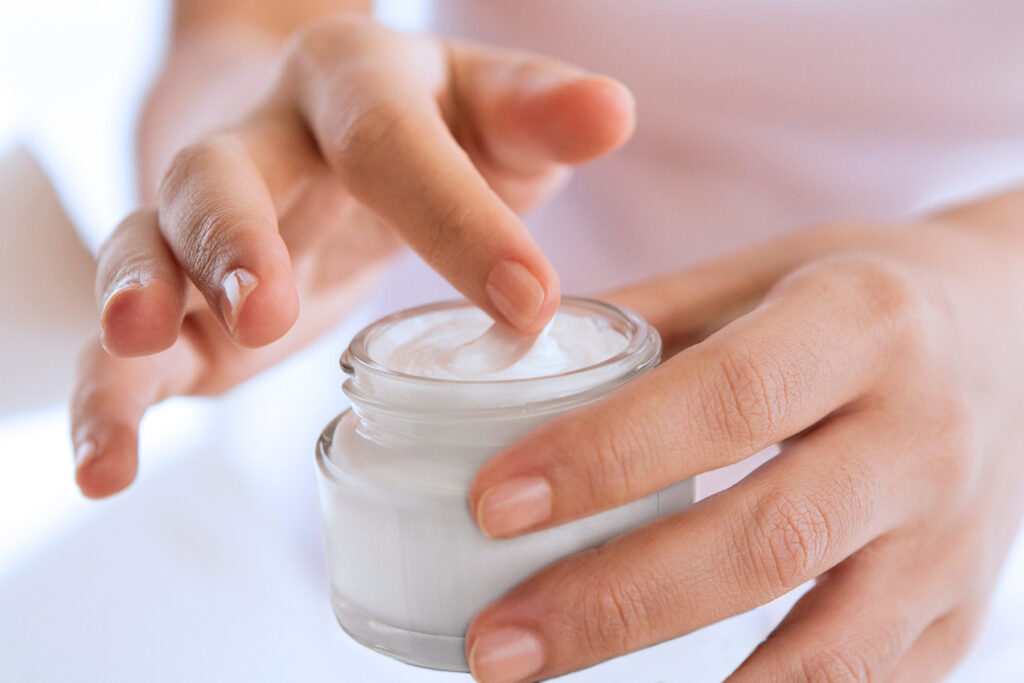
Our team has tested dozens of body creams and body lotions across K-beauty and Western brands alike, and the results consistently show that neither product is universally "better." It depends on skin type, climate, and personal preference. In this guide, we break down every factor worth considering — from ingredient composition to seasonal adjustments — so that anyone can make a confident, informed choice.
For those already exploring Korean moisturizers, our roundup of the best Korean body lotions pairs well with what we cover here.
Contents
What Sets Body Lotion and Body Cream Apart
At first glance, body lotions and body creams look similar on the shelf. Both hydrate. Both come in tubes and jars. But the body lotion vs body cream distinction starts at the molecular level — specifically, the ratio of water to oil in each formulation.
The Water-to-Oil Ratio
The simplest way to understand the difference is through composition:
- Body lotion — higher water content (typically 70–80% water), lighter consistency, absorbs quickly, leaves minimal residue
- Body cream — higher oil content (roughly 50/50 water-to-oil), thicker texture, absorbs slowly, creates an occlusive barrier on the skin
This ratio directly affects how each product performs. Lotions deliver hydration that evaporates faster but feels comfortable in warm weather. Creams lock moisture in for hours and work best on parched, cracking skin. The science behind moisturizers confirms that occlusive agents in creams prevent transepidermal water loss more effectively than lighter formulas.
Key Ingredients in Each Formula
The ingredient list tells the full story. Here is a side-by-side comparison our team put together after analyzing popular K-beauty and Western formulas:
| Feature | Body Lotion | Body Cream |
|---|---|---|
| Primary base | Water | Oil/butter blend |
| Typical texture | Lightweight, pourable | Thick, scoopable |
| Absorption speed | Fast (1–2 minutes) | Slow (3–5 minutes) |
| Common humectants | Hyaluronic acid, glycerin | Glycerin, honey extract |
| Common occlusives | Light dimethicone | Shea butter, beeswax, petrolatum |
| Best for skin type | Normal, oily, combination | Dry, very dry, mature |
| Ideal climate | Warm, humid | Cold, dry, heated indoors |
| Packaging | Pump bottle, squeeze tube | Jar, tub, wide-mouth tube |
| Greasy residue | Minimal | Moderate |
| Longevity on skin | 4–6 hours | 8–12 hours |
Korean body care formulas frequently incorporate ceramides, centella asiatica, and snail mucin into both product types. Anyone curious about snail-based formulas can explore our guide on snail cream benefits and how to choose the right one.
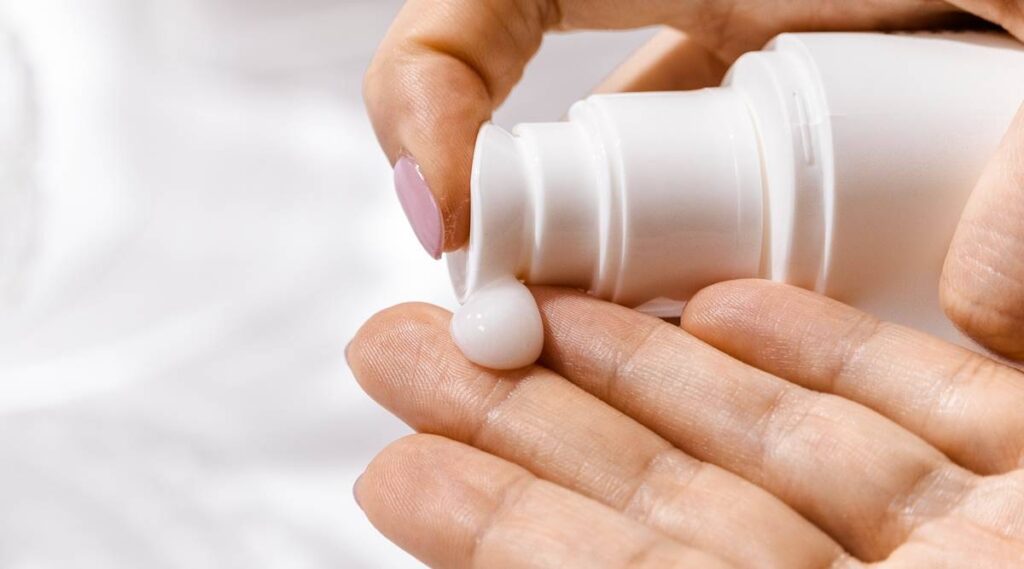
How to Apply and Layer Each Product Properly
Getting the right product is only half the equation. Application technique matters just as much — and our team has found that most people leave moisture on the table by applying incorrectly.
Timing and Technique
The golden rule of body moisturizing: apply within three minutes of stepping out of the shower. Damp skin absorbs product far more efficiently than dry skin. Here is the process our team recommends:
- Pat skin with a towel until it is about 80% dry — still slightly damp to the touch
- Warm the lotion or cream between palms for a few seconds
- Apply in long upward strokes on limbs, circular motions on the torso
- Pay extra attention to elbows, knees, shins, and heels — these areas lose moisture fastest
- Wait 2–3 minutes before getting dressed to prevent product transfer
For body cream specifically, a little goes a long way. A nickel-sized amount covers an entire forearm. Over-applying cream just makes it sit on the surface and feel sticky.
Layering with Other Skincare Products
K-beauty layering principles apply to the body, not just the face. The general order is:
- Body essence or toner (lightest) — optional but effective for extra hydration
- Body lotion (medium weight) — the main hydration step for most people
- Body cream (heaviest) — targeted application on extra-dry zones
- Body oil (seal) — locks everything in, especially overnight
Some people use both lotion and cream on the same body — lotion on the torso and inner arms, cream on shins and heels. That combination approach tends to be the most practical for anyone with mixed dryness levels.
A good rule of thumb from our team's testing: if moisturizer absorbs instantly and skin feels tight within an hour, the formula is too light. If it is still tacky after five minutes, it is too heavy. The right product sits comfortably in between.
Building a Body Moisturizing Routine That Lasts
Consistency beats intensity when it comes to body care. A well-maintained routine prevents dryness, flaking, and premature aging far more effectively than occasional heavy treatments.
Seasonal Switching Strategy
Our team recommends adjusting body moisturizer with the seasons rather than sticking with one product all year. Here is a practical switching schedule:
- Spring — transition from cream to lotion as humidity rises; keep cream for rough patches only
- Summer — lightweight lotion exclusively; look for formulas with SPF for exposed areas
- Fall — reintroduce cream for legs and arms as air dries out; lotion for torso
- Winter — full-body cream application after every shower; layer with body oil on extremities
People living in consistently humid climates like Southeast Asia may never need body cream at all. Conversely, those in dry continental climates might rely on cream year-round. Our guide on how to take care of dry skin covers additional strategies for extreme dryness.
Matching Products to Skin Type
Skin type on the body often differs from facial skin type. Someone with oily facial skin might still have bone-dry shins. Here is how to match:
- Oily body skin — gel-lotion hybrids or water-based lotions; avoid anything with heavy shea butter
- Normal body skin — standard body lotion; cream only in winter or for targeted areas
- Dry body skin — body cream as the daily base; consider ceramide-rich formulas
- Very dry / eczema-prone — thick cream with colloidal oatmeal or urea; apply twice daily minimum
- Sensitive body skin — fragrance-free lotion or cream; patch test new products on the inner forearm first
For anyone specifically looking for Korean options suited to dry skin, our list of the best Korean body lotions for dry skin is a solid starting point.

Real Scenarios: When Cream Wins and When Lotion Wins
Theory is useful, but real-world application tells the full story. Our team has logged observations across different scenarios to illustrate when each product type excels — and when it falls short.
Everyday Situations
Here are practical scenarios most people encounter:
- Morning rush before work — lotion wins. It absorbs in under a minute, and clothes can go on immediately without residue
- Post-gym shower — lotion wins. Overheated skin does not need a heavy occlusive layer trapping sweat
- Nighttime after a hot bath — cream wins. The thick barrier works overnight when there is no clothing friction to worry about
- After shaving legs — lotion wins initially (cream can clog freshly shaved pores), then cream the next day to prevent dryness
- Cracked heels or elbows — cream wins decisively. Lotions simply do not have enough occlusives to repair severely damaged skin barriers
- Beach or pool day — lotion wins. Lighter formulas layer better under sunscreen without pilling
Climate and Environment
Geography plays a surprisingly large role in the body lotion vs body cream decision. Here is what our team has observed:
- Tropical humid (e.g., Bangkok, Singapore) — lotion only; cream feels suffocating and can trigger miliaria (heat rash)
- Temperate four-season (e.g., Seoul, New York) — swap seasonally as outlined above
- Dry continental (e.g., Denver, Madrid) — cream as the default; lotion only in peak summer
- Cold and dry (e.g., Scandinavian winters) — heavy cream plus body oil; lotions alone will not cut it
- Air-conditioned offices — regardless of outside climate, prolonged AC exposure dries skin; keep a travel-size cream at the desk for hands and arms
Indoor heating and air conditioning are often overlooked factors. Even in humid climates, eight hours in a climate-controlled office strips skin moisture significantly.
Mistakes Most People Make with Body Moisturizers
After working with body care products extensively, our team has cataloged the most frequent missteps. Avoiding these alone can transform results.
Over-Applying and Under-Applying
Both extremes cause problems:
- Over-applying cream — leaves a greasy film, stains clothing, clogs body pores (yes, body acne from over-moisturizing is real)
- Under-applying lotion — most people use far too little; a single pump for an entire leg is not enough. Each limb needs its own pump
- Applying to bone-dry skin — without any residual moisture, even the best cream cannot hydrate effectively; it just sits on top
- Skipping entirely in summer — UV exposure and chlorine strip moisture; summer skin still needs lightweight hydration daily
Ignoring Ingredient Lists
Many people choose moisturizers based solely on scent or brand name. Our team recommends watching for these specific things:
- Fragrance placement — if "fragrance" or "parfum" appears in the top five ingredients, the product prioritizes scent over function. In body creams, fragrance should appear in the bottom third of the list
- Alcohol types — cetyl alcohol and cetearyl alcohol are fatty alcohols that actually moisturize; denatured alcohol (alcohol denat.) dries skin out. Most people confuse the two
- Mineral oil misconceptions — mineral oil is non-comedogenic and well-tolerated by most skin types despite its reputation. It is one of the most effective occlusive agents available
- Assuming "natural" means better — essential oils like lavender and tea tree can irritate sensitive body skin more than synthetic alternatives
Other common mistakes include:
- Using face moisturizer on the body (too expensive and usually too light for body skin)
- Never exfoliating before applying cream (dead skin buildup prevents absorption)
- Storing products in direct sunlight or hot bathrooms (heat degrades active ingredients)
- Mixing retinol body lotions with AHA/BHA body creams (irritation risk when both are active)
Frequently Asked Questions
Can body cream and body lotion be used together?
Absolutely. Many people apply lotion as a base layer across the entire body and then follow with cream on particularly dry areas like elbows, knees, and heels. The lotion provides broad hydration while the cream delivers targeted intensive moisture. Apply lotion first, let it absorb for a minute, then layer cream on top.
Is body cream better than body lotion for eczema?
Body cream is generally the better choice for eczema-prone skin because its higher oil content creates a stronger barrier against moisture loss. Dermatologists often recommend creams containing ceramides, colloidal oatmeal, or urea for eczema management. However, during flare-ups, anyone should consult a dermatologist before switching products, as some cream ingredients can worsen inflammation.
How often should body moisturizer be applied?
For most people, once daily after showering is sufficient when using lotion. Those with dry skin may benefit from twice-daily application — morning and night. Body cream users can often get away with once daily due to the product's longer-lasting occlusive barrier. The key is consistency rather than frequency.
Does body lotion expire?
Yes. Most body lotions and creams have a shelf life of one to three years unopened, and six to twelve months after opening. The PAO (Period After Opening) symbol on the packaging — a small jar icon with a number like "12M" — indicates how many months the product stays effective after first use. Changes in smell, color, or texture signal that a product has gone bad.
Why does body cream feel greasy but lotion does not?
The greasy feeling comes from the higher concentration of oils and butters in cream formulations. These occlusive ingredients sit on the skin's surface longer, creating a protective layer. Lotions feel lighter because their higher water content evaporates quickly. If greasiness is a concern, applying cream to slightly damp skin and using a smaller amount can significantly reduce the heavy feeling.
Are K-beauty body moisturizers different from Western ones?
Korean body moisturizers tend to emphasize absorption speed and lightweight textures, even in cream formulations. Ingredients like snail mucin, rice bran, and green tea are more common in K-beauty lines. Western body creams often lean heavier with shea butter and cocoa butter bases. The functional difference is primarily textural — both can be equally effective at hydrating skin.
The real answer to the body lotion vs body cream debate is not picking one — it is knowing when each one earns its place in a routine.


About Austin Park
Austin Park is a Korean beauty enthusiast and product researcher who has spent years studying the K-beauty industry — tracking ingredient trends, comparing formulations, and evaluating how Korean skincare and cosmetic brands perform for a wide range of skin types. His research-driven approach to product evaluation focuses on ingredient lists, brand transparency, and real-world results rather than marketing claims. At BestKoreanGuide, he covers Korean skincare routines, product reviews, and ingredient guides for readers building their first K-beauty routine or expanding an existing one.
You can get FREE Gifts. Or latest Free phones here.
Disable Ad block to reveal all the info. Once done, hit a button below