Which Korean face wash actually keeps oily skin under control without stripping your moisture barrier down to nothing? After testing and researching dozens of formulations through 2026, the answer comes down to your specific skin concerns — but if you want the short version, the COSRX Low pH Good Morning Gel Cleanser remains the one to beat for most people dealing with excess sebum.
Korean skincare brands have spent years perfecting the low-pH, gentle-yet-effective cleansing philosophy that Western brands are still catching up to. The best Korean face washes for oily skin in 2026 share a few traits: they maintain your skin's natural acid mantle, they control oil production without that tight squeaky-clean feeling, and they incorporate active ingredients like BHA, tea tree, and clay that target oily skin concerns at the source. If you're also dealing with sensitivity alongside oiliness, you'll want to check out our guide to the best Korean skincare products for sensitive skin for more options.

We evaluated each cleanser on oil control effectiveness, ingredient quality, pH level, how well it plays with other skincare and makeup products, and overall value for money. Whether you need a daily morning cleanser, an acne-fighting foam, or a deep-pore clay wash for your oiliest days, this list covers your options from budget-friendly picks to premium formulations.
Contents
Best Choices for 2026
- #PreviewProductRating
- Bestseller No. 1
 Rating:

- Bestseller No. 2
 Rating:
 - Bestseller No. 3
 Rating:
 - Bestseller No. 4
 Rating:
 - Bestseller No. 5
 Rating:
 - Bestseller No. 6
 Rating:
 - Bestseller No. 7
 Rating:

Product Reviews
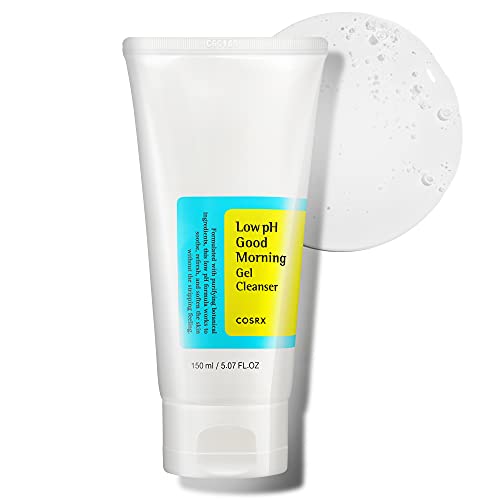
1. COSRX Low pH Good Morning Gel Cleanser — Best Overall for Oily Skin
The COSRX Low pH Good Morning Gel Cleanser has earned its reputation as the gold standard for oily skin cleansing, and heading into 2026 that reputation still holds up. This gel-type cleanser sits at a pH level close to your skin's natural acidity, which means it cleans thoroughly without disrupting the moisture barrier that keeps oil production in check. The formula centers on tea tree oil and BHA (betaine salicylate), both proven ingredients for calming inflammation and dissolving the sebum buildup that clogs pores throughout the day.
What makes this cleanser stand out from dozens of competitors is its restraint — it does not try to do everything at once, and that simplicity works in its favor. You get a clean rinse morning and night without the tightness or rebound oiliness that harsher cleansers cause. The gel texture lathers into a light foam that spreads easily across your face, and it rinses clean without leaving any residue behind. For the 5.07 fl oz you get at this price point, the per-use cost is remarkably low compared to other K-beauty cleansers in this category.
The one legitimate criticism is that this cleanser is gentle enough that it won't remove heavy makeup or sunscreen on its own — you'll need a first-step oil cleanser or micellar water for that. But as a second cleanse or a standalone morning wash, nothing in this price range matches the consistency of results you get from the COSRX formula.
Pros:
- pH-balanced formula preserves your skin's acid mantle while controlling excess oil
- BHA and tea tree oil provide mild chemical exfoliation and antibacterial benefits
- Affordable price per ounce compared to most Korean cleansers in its class
- Gentle enough for twice-daily use without causing dryness or irritation
Cons:
- Not effective as a standalone makeup or sunscreen remover — requires double cleansing
- The tea tree scent is noticeable and may bother fragrance-sensitive users


2. SOME BY MI AHA BHA PHA 30 Days Miracle Acne Clear Foam — Best for Acne-Prone Oily Skin
If your oily skin comes with regular breakouts, the SOME BY MI AHA BHA PHA 30 Days Miracle Acne Clear Foam delivers triple-acid exfoliation in a daily cleanser format that most skin types can tolerate. The combination of AHA for surface exfoliation, BHA for pore-deep cleaning, and PHA for gentle hydrating exfoliation creates a comprehensive approach to clearing congested, acne-prone skin. The formula also includes their proprietary TrueCica complex at 160,200 ppm, which provides substantial soothing power to counterbalance the exfoliating acids.
In practical use, this cleanser produces a dense foam that feels satisfying to work across your skin, and the triple-acid formula does visibly reduce blackheads and whiteheads within the first two weeks of consistent use. It is free of 20 artificial ingredients and has been dermatologically tested for sensitive skin compatibility, though you should still patch test if you are new to acid-based cleansers. The 3.38 oz tube is smaller than the COSRX option above, which means you are paying a premium per use — but the active ingredient profile justifies that cost for anyone whose primary concern is acne control alongside oil management.
The trade-off is clear: this is a more aggressive formula than most gentle gel cleansers, and if you are already using active serums like retinol or vitamin C, layering this cleanser on top could lead to over-exfoliation and irritation, particularly during the first week of use.
Pros:
- Triple-acid formula (AHA, BHA, PHA) addresses surface texture, pore congestion, and hydration simultaneously
- TrueCica complex soothes irritation and reduces the redness that comes with acne breakouts
- Dermatologically tested and free of 20 common artificial irritants
Cons:
- Smaller 3.38 oz size means higher cost per use compared to competitors
- May be too active for users already incorporating strong exfoliants in their routine
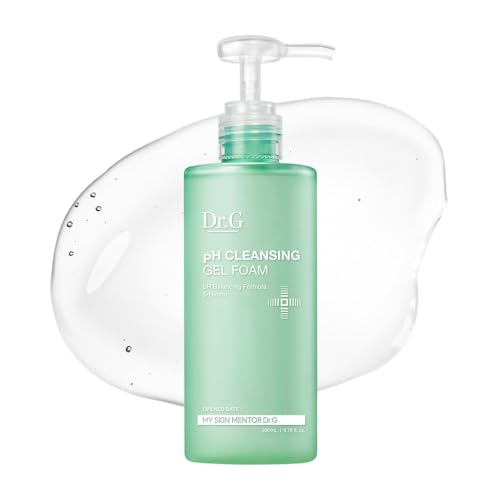
3. Dr.G pH Cleansing Gel Foam — Best for Daily Gentle Cleansing
The Dr.G pH Cleansing Gel Foam takes a dermatologist-driven approach to daily cleansing that prioritizes skin barrier health above everything else. Formulated with five beneficial bacteria strains, this cleanser supports your skin's microbiome — the colony of good bacteria that helps regulate oil production and defend against acne-causing pathogens. At 6.76 fl oz, it offers more product per bottle than most competitors on this list, which brings the per-use cost down significantly for a dermatological-grade formula.
The cleansing experience is straightforward and comfortable: the gel transforms into a soft foam upon contact with water, lifts oil and impurities efficiently, and rinses away leaving skin that feels hydrated rather than stripped. This is the cleanser you reach for when you want absolutely zero drama from your face wash — no tingling, no tightness, no adjustment period. It works equally well as a morning or evening cleanser and pairs smoothly with every serum, essence, and moisturizer in a typical Korean skincare routine.
The downside is that Dr.G's formula does not contain active ingredients like BHA or AHA, so if you need your cleanser to pull double duty as an exfoliant, you will need to look elsewhere or add a separate exfoliating step to your routine.
Pros:
- Five beneficial bacteria support the skin microbiome for long-term oil balance
- Generous 6.76 fl oz bottle provides excellent value over time
- Zero adjustment period — suitable from the very first use on any skin type
Cons:
- No active exfoliating ingredients for those who want multi-functional cleansing
- Mild formula may not satisfy users who prefer a strong "deep clean" sensation
4. HEIMISH All Clean White Clay Foam — Best for Deep Pore Cleansing
The HEIMISH All Clean White Clay Foam is the heavy hitter on this list for anyone whose oily skin manifests primarily as clogged pores, blackheads, and a persistently shiny T-zone. The star ingredient is Amazon White Clay, which draws out impurities and excess oil from deep within your pores through mineral absorption rather than chemical stripping. This clay-based approach provides a level of deep cleansing that gel and foam cleansers simply cannot replicate, making it an excellent choice for evenings when your skin has accumulated a full day's worth of sebum and environmental debris.
Despite the deep-cleansing power of the white clay, HEIMISH has balanced the formula with coconut-derived surfactants that create a soft, cushiony lather rather than the harsh stripping action you get from most clay-based washes. The addition of citrus herb oil and botanical extracts keeps the experience soothing and aromatic, calming any irritation that the physical cleansing action might otherwise cause. At 5.3 oz, the tube provides solid value, and the product consistency means you only need a small amount per wash to generate adequate lather.
This cleanser excels as a second-step evening wash or a targeted treatment for particularly oily days, but using it twice daily may be too drying for some people, especially during winter months when even oily skin can experience dehydration.
Pros:
- Amazon White Clay provides genuine deep-pore detoxification beyond what gel cleansers offer
- Coconut-derived surfactants keep the formula gentle despite its strong cleansing action
- Botanical extracts soothe and calm skin during and after cleansing
- Works beautifully as the second step in a double-cleansing routine
Cons:
- May be too intense for twice-daily use, particularly in dry or cold climates
- Clay-based formula can leave a slight residue if not rinsed thoroughly with lukewarm water
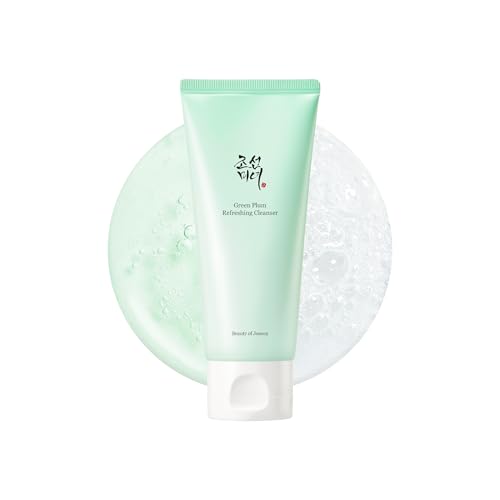
5. Beauty of Joseon Green Plum Refreshing Cleanser — Best for Oil-Moisture Balance
Beauty of Joseon has built a cult following around their traditional Korean herbal ingredient philosophy, and the Green Plum Refreshing Cleanser demonstrates why that approach resonates so strongly with oily skin types in 2026. The gel-type formula centers on plum water, plum extract, and mung bean extract — oriental herbal ingredients that have been used in Korean skincare traditions for centuries. These botanicals work together to dissolve excess sebum and blackhead buildup while actively protecting your skin's natural moisture barrier, preventing the dehydration-triggered oil overproduction cycle that plagues so many oily-skinned people.
The cleansing experience feels genuinely refreshing without the artificial cooling agents that some brands use to simulate a clean feeling. The gel texture glides smoothly across your face, penetrates deep enough to lift pore-level congestion, and rinses away completely without residue. Users consistently report that their skin feels balanced after washing — not tight, not oily, just genuinely clean. This equilibrium between cleansing power and hydration preservation is where the Green Plum Cleanser outperforms many competitors, particularly for those whose oily skin is actually dehydrated skin overcompensating with excess sebum production.
At 3.38 fl oz, the bottle is on the smaller side, and the product does move quickly if you use it twice daily, which makes it one of the pricier options per use on this list.
Pros:
- Oriental herbal ingredients provide effective cleansing without disrupting oil-moisture balance
- Excellent choice for dehydrated oily skin that overproduces sebum due to moisture loss
- Clean, residue-free rinse with a naturally refreshing sensation
Cons:
- Small 3.38 fl oz bottle depletes quickly with twice-daily use
- Mild formula may underwhelm users who need aggressive acne-fighting ingredients
6. Pyunkang Yul Calming Low pH Foaming Cleanser — Best for Sensitive Oily Skin
Pyunkang Yul approaches skincare from a traditional Korean medicine perspective, and their Calming Low pH Foaming Cleanser is purpose-built for people whose oily skin is also reactive and easily irritated. The formula combines tea tree and centella asiatica with five types of hyaluronic acid, creating a cleanser that controls sebum production while simultaneously delivering multi-weight hydration that calms troubled skin. The clinically proven zero-irritation test results back up the brand's claims about sensitivity — this is one of the few foaming cleansers on the market that has been rigorously validated for reactive skin types.
The low-pH foam effectively removes sebum, sunscreen residue, and environmental dust without disturbing the skin barrier, and the five different molecular weights of hyaluronic acid ensure that hydration penetrates to multiple skin layers rather than just sitting on the surface. This multi-layer hydration approach is particularly valuable for oily skin because it addresses the root cause of overactive sebum glands — which in many cases is actually dehydration at deeper skin layers. The formula uses EWG-safe ingredients and carries MFDS certification for all skin types, giving you confidence in the safety profile of every ingredient.
The 5.07 fl oz pump bottle is convenient and hygienic, though the pump mechanism can occasionally dispense more product than you need, which leads to faster consumption than tube-based alternatives.
Pros:
- Clinically tested for zero irritation — genuinely safe for the most sensitive oily skin
- Five types of hyaluronic acid deliver multi-depth hydration that addresses sebum overproduction at its source
- Tea tree and centella provide calming, anti-inflammatory benefits alongside cleansing
- EWG-safe and MFDS-certified ingredients
Cons:
- Pump dispenser can over-dispense, leading to product waste
- Lighter cleansing power may not fully remove heavy or waterproof sunscreens
7. ROUND LAB 1025 Dokdo Cleanser — Best Value for Daily Use
The ROUND LAB 1025 Dokdo Cleanser has quickly become one of the most talked-about Korean cleansers in the beauty community, and the double-size 10.14 fl oz bottle makes it the clear value champion on this list for 2026. The formula is built around deep sea water from Ulleungdo Island, which is naturally rich in minerals that help regulate sebum production while maintaining skin hydration. This mineral-rich base creates a cleanser that controls oil effectively without the dryness and tightness that plague so many "oil control" face washes on the market.
The cleansing experience is luxurious for a drugstore-priced product — the formula generates rich, soft bubbles that feel genuinely premium on your skin, thoroughly removing dirt, oil, and makeup residue while leaving your moisture barrier intact. After rinsing, your skin feels soft and hydrated rather than stripped, which is the hallmark of a well-formulated low-pH cleanser. The double-size bottle means you are getting twice the product of the standard version at a better per-ounce price, which makes this an outstanding choice for anyone who goes through cleanser quickly or wants to reduce how often they need to repurchase.
The Dokdo Cleanser's approach is firmly in the "gentle daily driver" category — it does not contain aggressive actives like BHA or AHA, so you should not expect it to treat active breakouts or provide chemical exfoliation alongside cleansing.
Pros:
- Massive 10.14 fl oz bottle provides the best cost-per-use value on this entire list
- Deep sea mineral water naturally regulates oil production without harsh actives
- Rich, soft lather provides a premium cleansing experience at a budget-friendly price
- Non-drying formula keeps skin balanced and comfortable throughout the day
Cons:
- No active exfoliating ingredients — purely a cleansing product
- The large bottle may be inconvenient for travel or small bathroom storage
Choosing the Right Korean Face Wash for Oily Skin: A Buying Guide
Picking the right cleanser from this list depends on your specific skin concerns, your existing routine, and how you want your cleanser to fit into your overall skincare strategy for 2026. Here are the key factors you should evaluate before making your decision.
pH Level and Skin Barrier Health
Your skin's natural pH sits around 5.5, and every cleanser on this list respects that range — but understanding why this matters will help you make a smarter choice. A cleanser with a pH above 7.0 strips away your acid mantle, which is the thin film that prevents bacteria from colonizing your pores and keeps moisture locked in. When that barrier breaks down, your sebaceous glands overcompensate by producing even more oil, creating a frustrating cycle where harsh cleansing leads to more oiliness. According to the scientific literature on the acid mantle, maintaining a low-pH cleansing routine is one of the most effective ways to normalize oil production over time. Every cleanser reviewed above falls within the safe pH range, but the COSRX, Pyunkang Yul, and ROUND LAB options are specifically formulated with low-pH optimization as their primary design principle.
Active Ingredients vs. Gentle Cleansing
You need to decide whether you want your cleanser to actively treat skin issues or simply clean your face effectively and let your serums and treatments do the heavy lifting. If you are dealing with active acne, blackheads, or texture issues, a cleanser with BHA (like the COSRX) or triple acids (like the SOME BY MI) will provide treatment-level benefits at the cleansing step. If your skin is oily but otherwise healthy, a gentle formula like the Dr.G, ROUND LAB, or Beauty of Joseon will clean thoroughly without interfering with the actives in the rest of your routine. Layering too many active ingredients — an acid cleanser plus an acid toner plus a retinol serum — is a recipe for a damaged barrier and worse oil production than you started with.
Texture and Cleansing Method
Korean face washes for oily skin come in three main textures, and each has distinct advantages worth understanding:
- Gel cleansers (COSRX, Dr.G, Beauty of Joseon) — lightweight, rinse cleanly, ideal for morning use and for layering under active treatments
- Foam cleansers (SOME BY MI, Pyunkang Yul, ROUND LAB) — generate a richer lather that provides a more thorough evening cleanse and pairs well with double cleansing
- Clay-based cleansers (HEIMISH) — provide the deepest pore cleansing through mineral absorption, best used 3-4 times per week rather than daily
Your preference between these textures is partly personal, but for oily skin specifically, gel cleansers tend to work best in the morning while foam or clay options excel as your evening second cleanse. If you are following the Korean double-cleansing method — which you should be if you wear sunscreen daily — pairing an oil cleanser first step with one of these water-based cleansers second step is the optimal approach for oily skin management.
![[Innisfree] Green Tea Cleansing Oil 150ml -2018 New Product Reviews And User Guide](https://s.bestkoreanguide.com/static/user_img/wp-content/uploads/2020/06/Innisfree-Green-Tea-Cleansing-Oil-150ml-2018-New-Product-reviews-and-user-guide-300x254.jpg)
Building a Complete Oily Skin Routine
Your cleanser is the foundation, but it works best as part of a coordinated routine designed for oily skin. After cleansing, follow with a lightweight hydrating toner, a targeted serum (niacinamide is excellent for oil control), and finish with a gel-type moisturizer that won't add excess oil back onto your freshly cleansed skin. For moisturizer recommendations specifically formulated for oily and combination skin types, check out our roundup of the best Korean moisturizers for combination skin. And always — always — finish your morning routine with a Korean sunscreen, which you can find in our guide to the best Korean sunblocks for 2026. Skipping sun protection after using an acid-based cleanser is one of the most common mistakes that leads to hyperpigmentation and premature aging in oily skin types.
Frequently Asked Questions
How often should you wash your face if you have oily skin?
Twice daily is the sweet spot for most oily skin types — once in the morning to remove overnight sebum buildup, and once in the evening to clear away sunscreen, makeup, and environmental debris. Washing more than twice daily actually triggers your sebaceous glands to produce even more oil to compensate for the moisture loss, which makes your oiliness worse over time. If you feel oily midday, blotting papers are a far better solution than an additional wash.
Should you use a foam or gel cleanser for oily skin?
Both work well, but they serve slightly different purposes in your routine. Gel cleansers are lighter and better suited for morning use when you only need to remove overnight oil and prep your skin for serums and sunscreen. Foam cleansers generate a richer lather that provides more thorough cleansing, making them ideal for your evening wash when you need to remove a full day's worth of products and pollution. Many oily-skinned people find the best results from using a gel in the morning and a foam or clay cleanser in the evening.
What pH level should a face wash be for oily skin?
You want a cleanser with a pH between 4.5 and 6.5, which matches the natural pH range of healthy skin. Cleansers above pH 7.0 disrupt your acid mantle, leading to bacterial overgrowth, moisture loss, and paradoxically increased oil production as your skin tries to repair the barrier. Every cleanser on this list falls within the optimal pH range, with the COSRX, Pyunkang Yul, and ROUND LAB options sitting at the lower end of that spectrum for maximum barrier protection.
Can Korean face wash help with acne caused by oily skin?
A good cleanser is your first line of defense against acne, but it works best as part of a complete routine rather than a standalone solution. Cleansers containing BHA (like the COSRX) or triple acids (like the SOME BY MI) actively dissolve the sebum plugs that cause blackheads and whiteheads, while low-pH gentle formulas prevent the barrier damage that leads to inflammatory breakouts. For persistent or severe acne, you should combine your cleanser with targeted treatments like niacinamide serums, retinoids, or benzoyl peroxide spot treatments prescribed by a dermatologist.
Is double cleansing necessary for oily skin?
Double cleansing is not just necessary for oily skin — it is arguably more important for you than for any other skin type. The first step (an oil-based cleanser or micellar water) dissolves oil-soluble impurities like sunscreen, sebum, and makeup that water-based cleansers cannot fully remove. The second step (any cleanser on this list) then cleans the water-soluble debris like sweat, dirt, and dead skin cells. Skipping the first step means your water-based cleanser has to work harder and longer, which leads to over-cleansing and irritation without actually getting your pores clean.
How long does it take to see results from switching to a Korean face wash?
You should notice a difference in how your skin feels immediately — less tightness, less post-wash dryness, and a more balanced texture. However, the real benefits of a low-pH, well-formulated cleanser take about four to six weeks to become visible, which is roughly one full skin cell turnover cycle. During that period, your acid mantle repairs itself, sebum production begins to normalize, and the chronic inflammation that causes breakouts starts to subside. Give your new cleanser at least a full month before deciding whether it is working for your skin.
Buy on Walmart
- COSRX Low pH Good Morning Gel Face Cleanser, 5.07 fl oz, BHA — Walmart Link
- SOME BY MI AHA BHA PHA 30 Days Miracle Acne Clear Foam – 3.3 — Walmart Link
- Dr.G pH Cleansing Gel Foam - Everyday Gentle Face Cleanser f — Walmart Link
- HEIMISH All Clean White Clay Foam - Deep Cleansing, Pore Min — Walmart Link
- Beauty of Joseon Green Plum Refreshing Cleanser Gel Type Dee — Walmart Link
- Pyunkang Yul PKY Calming Low pH Foaming Cleanser | Daily Fac — Walmart Link
- ROUND LAB 1025 Dokdo Cleanser 10.14 Fl Oz, Low pH Facial Cle — Walmart Link
Buy on eBay
- COSRX Low pH Good Morning Gel Face Cleanser, 5.07 fl oz, BHA — eBay Link
- SOME BY MI AHA BHA PHA 30 Days Miracle Acne Clear Foam – 3.3 — eBay Link
- Dr.G pH Cleansing Gel Foam - Everyday Gentle Face Cleanser f — eBay Link
- HEIMISH All Clean White Clay Foam - Deep Cleansing, Pore Min — eBay Link
- Beauty of Joseon Green Plum Refreshing Cleanser Gel Type Dee — eBay Link
- Pyunkang Yul PKY Calming Low pH Foaming Cleanser | Daily Fac — eBay Link
- ROUND LAB 1025 Dokdo Cleanser 10.14 Fl Oz, Low pH Facial Cle — eBay Link
![[THEFACESHOP] Rice Water Bright Foaming Cleanser Reviews And User Guide](https://s.bestkoreanguide.com/static/user_img/wp-content/uploads/2020/06/THEFACESHOP-Rice-Water-Bright-Foaming-Cleanser-reviews-and-user-guide-150x300.jpg)
Next Steps
- Check the current price on your top pick — Korean skincare prices fluctuate frequently on Amazon, and several of these cleansers regularly go on sale during monthly deal events throughout 2026.
- Assess your current routine for ingredient conflicts — if you already use a BHA or AHA serum, choose a gentle cleanser like the Dr.G or ROUND LAB rather than stacking acids with the SOME BY MI or COSRX options.
- Order a single bottle first and commit to a 30-day test — resist the urge to buy in bulk before confirming the formula works with your specific skin chemistry and water hardness.
- Pair your new cleanser with the right moisturizer — a good face wash is only half the equation for managing oily skin, so review our best Korean face moisturizer guide to complete your routine.
- Track your skin's oil production weekly — take a midday photo of your T-zone each week for the first month to objectively measure whether your new cleanser is reducing shine and breakouts over time.


About Austin Park
Austin Park is a Korean beauty enthusiast and product researcher who has spent years studying the K-beauty industry — tracking ingredient trends, comparing formulations, and evaluating how Korean skincare and cosmetic brands perform for a wide range of skin types. His research-driven approach to product evaluation focuses on ingredient lists, brand transparency, and real-world results rather than marketing claims. At BestKoreanGuide, he covers Korean skincare routines, product reviews, and ingredient guides for readers building their first K-beauty routine or expanding an existing one.
You can get FREE Gifts. Or latest Free phones here.
Disable Ad block to reveal all the info. Once done, hit a button below