Over 85% of people between ages 12 and 24 experience acne at some point, and the cleanser you use twice a day has more impact on breakouts than almost any other product in your routine. Korean face washes have earned a reputation for tackling acne without stripping your skin raw — thanks to low pH formulas, gentle plant-based surfactants, and targeted active ingredients like BHA, AHA, and tea tree oil.
If you've been cycling through drugstore cleansers that either dry you out or don't do enough, Korean acne face washes offer a middle ground. They're designed around the idea that your skin barrier matters just as much as killing bacteria. That means you get real acne-fighting power from ingredients like salicylic acid and centella asiatica, but without the tight, irritated feeling afterward. We tested and researched the top options available in 2026 to help you find the right match for your skin type and budget.
Whether you're dealing with hormonal breakouts, clogged pores, or oily T-zone flare-ups, this guide breaks down the seven best Korean face washes for acne-prone skin right now. Each pick is evaluated on ingredient quality, pH level, real user results, and value for money.
Contents
Standout Models in 2026
- #PreviewProductRating
- Bestseller No. 1
 Rating:

- Bestseller No. 2
 Rating:
 - Bestseller No. 3
 Rating:
 - Bestseller No. 4
 Rating:
 - Bestseller No. 5
 Rating:
 - Bestseller No. 6
 Rating:
 - Bestseller No. 7
 Rating:

Full Product Breakdowns
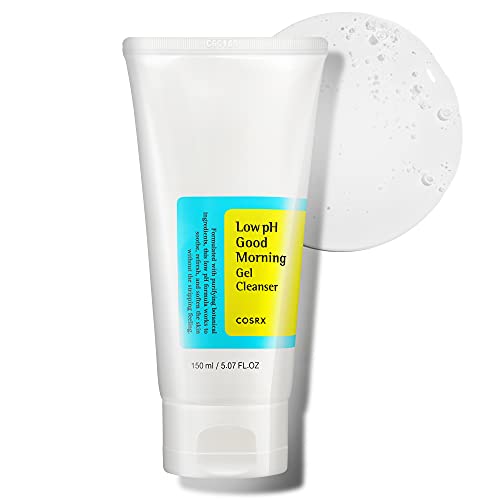
1. COSRX Low pH Good Morning Gel Cleanser — Best Overall for Acne-Prone Skin
The COSRX Low pH Good Morning Gel Cleanser has been a staple in Korean skincare routines for years, and it continues to earn its spot at the top of acne cleanser lists in 2026. The formula sits at a mildly acidic pH level that matches your skin's natural barrier — around pH 5 — so it cleanses without disrupting the acid mantle that keeps bacteria out. BHA (betaine salicylate) works inside your pores to dissolve the sebum and dead skin cells that cause breakouts, while tea tree oil provides natural antibacterial benefits.
What makes this cleanser stand out is how gentle it feels despite being effective. The gel texture lathers into a soft foam that rinses clean without leaving any residue or that squeaky-tight feeling. You can use it morning and night without worrying about over-drying. If you're new to Korean skincare or just want a reliable daily cleanser that won't aggravate active breakouts, this is the one to start with. At 5.07 fl oz, the bottle lasts most people about two months with twice-daily use.
Pair this with a good Korean toner for acne after cleansing and you've got a solid foundation for clear skin.
Pros:
- Low pH formula protects your skin barrier while fighting acne
- BHA and tea tree oil target clogged pores and bacteria
- Gel-to-foam texture feels lightweight and rinses cleanly
- Works well for sensitive, oily, and combination skin types
- Affordable price point for daily use
Cons:
- Tea tree scent is noticeable and may bother fragrance-sensitive users
- BHA concentration is mild — severe cystic acne may need a stronger treatment

2. innisfree Volcanic BHA Pore Cleansing Foam — Best for Oily Skin and Large Pores
If excess oil is your biggest skin concern, the innisfree Volcanic BHA Pore Cleansing Foam is built specifically for you. The formula combines Jeju volcanic clusters — natural minerals harvested from volcanic ash on Korea's Jeju Island — with salicylic acid (BHA) to create a double-action cleanser. The volcanic clusters physically absorb excess sebum like tiny sponges, while the salicylic acid chemically exfoliates inside your pores to prevent clogs before they become pimples.
The sulfate-free formula is a big deal for acne-prone skin. Traditional foaming cleansers often use sodium lauryl sulfate (SLS), which strips your skin so aggressively that it overproduces oil to compensate — making acne worse. innisfree avoided that trap entirely. You only need a pea-sized amount to get a rich, satisfying lather that removes makeup residue, sunscreen, and daily grime without that post-wash dryness.
Use it in both your AM and PM routine. In the morning it controls the oil that built up overnight. At night it serves as your second cleanser after an oil-based first cleanse. If you're also fighting blackheads, the BHA in this formula will help with those too.
Pros:
- Volcanic clusters absorb excess oil on contact
- Salicylic acid exfoliates pores and prevents new breakouts
- Sulfate-free — no harsh stripping that triggers rebound oiliness
- A little product goes a long way
- Visibly tightens the appearance of pores with consistent use
Cons:
- Can be too drying for people with dry or dehydrated skin
- Unscented formula has a slightly earthy mineral smell
![[Innisfree] Jeju Bija Anti-trouble Cleansing Gel 150ml Oli-free Reviews And User Guide](https://s.bestkoreanguide.com/static/user_img/wp-content/uploads/2020/05/Innisfree-Jeju-Bija-Anti-trouble-Cleansing-Gel-150ml-Oli-free-reviews-and-user-guide-300x289.jpg)
3. SOME BY MI AHA BHA PHA 30 Days Miracle Acne Clear Foam — Best Triple-Acid Exfoliating Cleanser
The SOME BY MI 30 Days Miracle line became a viral sensation in Korean skincare, and the Acne Clear Foam is the cornerstone of that system. What sets it apart from every other cleanser on this list is the triple-acid approach: AHA, BHA, and PHA working together in a single formula. AHA (alpha hydroxy acid) exfoliates the surface layer of dead skin. BHA (beta hydroxy acid) goes deeper, cleaning out pore blockages and excess sebum. PHA (polyhydroxy acid) is the gentlest of the three — it hydrates while it exfoliates, so your skin doesn't dry out.
The formula also includes TrueCICA at a concentration of 160,200 ppm. That's centella asiatica — the healing herb that Korean skincare brands rely on to calm redness and help skin recover from inflammation. The combination means you're simultaneously fighting active breakouts and soothing the irritation they cause. It's free of 20 artificial ingredients and has passed dermatological testing for sensitive skin.
The brand promises visible results in 30 days, and based on user feedback, most people notice smoother texture and fewer new breakouts within the first two weeks. The 3.38 oz tube is smaller than some competitors, but the concentrated formula means you need very little per wash.
Pros:
- Triple-acid formula (AHA + BHA + PHA) provides comprehensive exfoliation
- High concentration of centella asiatica soothes inflammation and redness
- Free of 20 artificial ingredients — dermatologically tested
- Effective against whiteheads, blackheads, and textural acne
- Natural surfactants reduce irritation during cleansing
Cons:
- Smaller tube size (3.38 oz) runs out faster than full-size cleansers
- Triple-acid formula may be too active for extremely sensitive or compromised skin
4. Dr.Jart+ Teatreement Cleansing Foam — Best for Oily and Inflamed Skin
Dr.Jart+ is one of the most respected names in Korean dermatological skincare, and their Teatreement line is specifically engineered for acne and excess oil. This cleansing foam relies on Australian tea tree leaf extract as its star ingredient — a natural antiseptic that has been used for decades to fight acne-causing bacteria. Paired with salicylic acid for chemical exfoliation, it delivers a thorough but gentle cleanse that targets both the surface and inside your pores.
The plant-derived cleansing agents are what separate this from harsher acne washes. Instead of synthetic detergents that strip everything from your face, Dr.Jart+ uses botanical surfactants that lift away dirt and oil while leaving your moisture barrier intact. The foam is dense and creamy — a little goes a long way. You get 4.05 fl oz per tube, which typically lasts six to eight weeks.
Dr.Jart+ designed the Teatreement line as a complete system. For the best results, follow this cleanser with the Ctrl-A Teatreement Toner and Moisturizer. The toner helps control excess sebum and maintain your skin's pH levels, while the moisturizer locks in hydration without adding oil. That said, this cleanser works well as a standalone product in any routine.
Pros:
- Australian tea tree extract provides natural antibacterial action
- Salicylic acid clears pore congestion and prevents new breakouts
- Plant-derived cleansing agents are gentle on the skin barrier
- Dense foam texture means you use less product per wash
- Backed by Dr.Jart+'s dermatological research reputation
Cons:
- Higher price point than most Korean acne cleansers
- Best results require the full Teatreement line, adding to total cost
5. Pyunkang Yul Calming Cleansing Foam — Best for Sensitive Acne-Prone Skin
Pyunkang Yul is rooted in almost 50 years of Eastern medicine expertise — their parent clinic has specialized in treating skin and respiratory conditions since the 1970s. That medical heritage shows in the Calming Cleansing Foam's formula. It combines BHA to dissolve pore-clogging sebum, AHA from fruit extracts to smooth dead skin buildup, and witch hazel to tighten and refine pores. But the real story here is the calming complex of centella asiatica and tea tree extract that makes this safe for even highly reactive skin.
The low pH formula (around 5.5) matches your skin's natural acid mantle, which is critical if you've been damaging your barrier with harsh acne products. The 100% natural surfactants create a soft foam that cleans thoroughly without stripping moisture. After rinsing, your skin feels hydrated and comfortable — not tight or dry. That's a rare quality in an acne-focused cleanser.
This is the pick for anyone who has tried other acne washes and found them too irritating. If your skin gets red, flaky, or stingy from salicylic acid products, Pyunkang Yul's approach of wrapping those actives in a deeply soothing base should work for you. It pairs exceptionally well with a lightweight Korean moisturizer for oily skin.
Pros:
- Developed with 50 years of Eastern medicine clinic expertise
- BHA + AHA for pore clearing and surface exfoliation
- Centella asiatica and tea tree rapidly calm redness and irritation
- 100% natural surfactants protect the moisture barrier
- Low pH formula matches your skin's natural balance
Cons:
- 3.38 fl oz is on the smaller side for the price
- Calming formula means slower visible results compared to aggressive cleansers
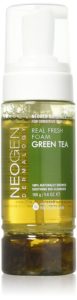
6. VT COSMETICS CICA Foam Cleanser — Best Budget-Friendly Large Size
At 10.1 fl oz (300 ml), the VT COSMETICS CICA Foam Cleanser gives you roughly three times the product of most Korean face washes on this list — and that makes it an outstanding value for daily acne care. The formula centers on centella asiatica extract (CICA), which has become one of the most studied ingredients in Korean skincare for its ability to calm inflammation, promote skin healing, and strengthen the barrier.
Panthenol (vitamin B5) is the second key player here. It strengthens your skin barrier and provides a softening effect that balances the cleansing action. Together, CICA and panthenol create a wash that soothes stress-related breakouts and environmental irritation while keeping your face clean. The formula was designed to leave you feeling pure and relieved — not stripped.
This is less of an aggressive acne fighter and more of a daily maintenance cleanser that prevents new breakouts by keeping your skin calm and balanced. If your acne is triggered by stress, pollution, or mask-wearing (maskne), the soothing profile of this cleanser makes it ideal. The generous 300 ml bottle will easily last you three to four months, making it one of the most cost-effective options in Korean acne skincare for 2026.
Pros:
- Jumbo 300 ml size offers exceptional value for daily use
- Centella asiatica calms inflammation and supports skin healing
- Panthenol strengthens the skin barrier and adds softness
- Gentle enough for twice-daily use on reactive skin
- Great for stress-related and environmental acne
Cons:
- No BHA or salicylic acid — not ideal for deep pore congestion
- Better for prevention and maintenance than treating active severe acne
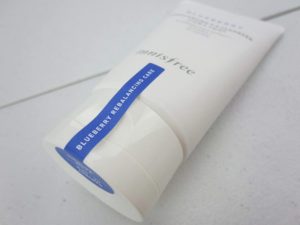
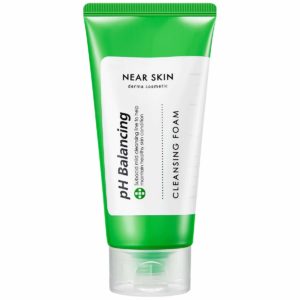
7. ACWELL Licorice pH Balancing Pore Cleansing Gel Foam — Best for Brightening + Acne
If you're fighting acne and dark spots at the same time, the ACWELL Licorice pH Balancing Pore Cleansing Gel Foam tackles both in a single step. Licorice root extract is the hero ingredient — it's a natural brightening agent that fades post-inflammatory hyperpigmentation (the dark marks acne leaves behind) while also providing anti-inflammatory benefits that calm active breakouts. LHA (lipohydroxy acid), a derivative of salicylic acid, provides gentle exfoliation that clears pore congestion without the irritation that straight BHA can sometimes cause.
The gel-to-foam texture is incredibly satisfying to use. It starts as a clear gel that transforms into a light, airy foam as you work it between your palms. The hypoallergenic formula has been dermatologically tested and is suitable for all skin types, including sensitive skin. At 5.4 fl oz, it offers a generous amount of product for a premium Korean cleanser.
This is an especially smart pick if you've cleared most of your active acne but are dealing with the aftermath — uneven tone, red marks, and dullness. The licorice extract works gradually to even things out, and the pH-balanced formula (around 5.5) ensures you're not making matters worse. Use it consistently for four to six weeks and you should see noticeably brighter, clearer skin.
Pros:
- Licorice root brightens dark spots and fades acne scars
- LHA provides gentle pore exfoliation with less irritation than BHA
- Dermatologically tested and hypoallergenic — safe for all skin types
- pH-balanced gel-to-foam texture feels luxurious
- 5.4 fl oz is generous for a specialty cleanser
Cons:
- Brightening effects take 4-6 weeks of consistent use to become visible
- LHA is milder than BHA — may not be strong enough for very oily, congested skin
Key Features to Consider When Choosing a Korean Face Wash for Acne
pH Level Matters More Than You Think
Your skin's natural pH sits between 4.5 and 5.5. Every time you wash with a high-pH cleanser (many Western face washes sit at pH 9 or above), you temporarily disrupt your acid mantle — the thin protective layer that keeps acne-causing bacteria from thriving. A low pH cleanser (between 5.0 and 6.0) cleans your skin without compromising that defense. According to research on the skin's acid mantle, maintaining this balance is one of the most effective long-term strategies for reducing acne.
Most of the Korean cleansers on this list are formulated at or near pH 5.5. If a cleanser doesn't disclose its pH, that's a red flag. Look for products that specifically market themselves as "low pH" or "pH balanced."
Active Ingredients: BHA, AHA, PHA, and CICA
Not all acne-fighting ingredients work the same way. Here's a quick breakdown:
- BHA (salicylic acid or betaine salicylate) — Oil-soluble, so it penetrates inside your pores to dissolve sebum and dead skin. Best for blackheads, whiteheads, and oily skin.
- AHA (glycolic acid, lactic acid) — Water-soluble, works on the skin surface to smooth texture and fade dark marks. Best for textural acne and post-acne scarring.
- PHA (gluconolactone, lactobionic acid) — The gentlest acid. Exfoliates while hydrating. Best for sensitive skin that can't tolerate BHA or AHA.
- CICA (centella asiatica) — Not an acid at all. It calms inflammation, promotes healing, and strengthens your barrier. Best for irritated, red, reactive acne.
If you have oily skin with frequent breakouts, prioritize BHA. If you have sensitive skin that reacts to everything, go with CICA or PHA-based formulas. For stubborn texture and scarring, look for AHA. If you want the full toolkit, SOME BY MI's triple-acid approach covers all three.
Foam Type and Surfactants
The type of foam a cleanser produces and what creates it matters. Sulfate-based surfactants (SLS, SLES) produce big, satisfying bubbles but can strip your skin aggressively. This triggers your sebaceous glands to produce even more oil, creating a vicious cycle that makes acne worse. Korean brands increasingly use natural or amino acid-based surfactants that clean effectively without over-stripping.
Gel-to-foam formulas (like COSRX and ACWELL) tend to be gentler. Cream foams (like Dr.Jart+) provide more cushion. Pump foams (like VT COSMETICS) are convenient and portion-controlled. Choose the texture you'll actually enjoy using twice a day — consistency matters more than the "perfect" formula you only use occasionally.
Size, Value, and Your Daily Routine
You're going to use this product twice a day, every day. That means a 3.38 oz tube lasts roughly four to six weeks, while a 10 oz bottle can carry you through four months. Calculate the cost per ounce, not just the sticker price. The VT COSMETICS CICA at 10.1 oz is dramatically cheaper per wash than smaller tubes, even if the upfront cost is similar.
Also consider where this cleanser fits in your routine. If you wear sunscreen or makeup, you'll want a double-cleanse approach: oil cleanser first, then your acne foam wash second. If you're doing a minimal routine, a single low pH cleanser morning and night is enough. Check out our guide on the best Korean exfoliators if you want to add a dedicated exfoliation step beyond what your cleanser provides.
Questions Answered
How often should you use a Korean acne face wash?
Use your Korean acne face wash twice daily — once in the morning and once at night. Morning cleansing removes the oil and bacteria that accumulated overnight, while evening cleansing removes sunscreen, makeup, pollution, and the day's buildup. If your skin feels tight or dry after washing, scale back to once daily (at night) and just rinse with water in the morning.
Can you use a BHA face wash if you already use a BHA serum or toner?
Yes, but be careful about over-exfoliation. A BHA cleanser makes contact with your skin for only 30-60 seconds before rinsing, so the actual exfoliation is mild. A leave-on BHA serum or toner has much more time to work. Using both is generally fine for oily skin, but if you notice redness, flaking, or increased sensitivity, drop the BHA cleanser and keep the leave-on product instead. Your skin will tell you if it's too much.
What pH level is best for an acne face wash?
Aim for a cleanser with a pH between 4.5 and 6.0. Your skin's natural pH is around 5.5, and cleansing at or near that level preserves your acid mantle — the protective layer that keeps acne bacteria in check. High-pH cleansers (above 7.0) temporarily weaken this barrier, which can lead to more breakouts and irritation over time. Most Korean acne cleansers are formulated in the 5.0-5.5 range.
Do Korean face washes work on hormonal acne?
Korean face washes can help manage hormonal acne, but they won't cure it on their own. Hormonal acne is driven by internal factors — fluctuating androgen levels that increase oil production and trigger deep, cystic breakouts, typically along the jawline and chin. A good acne cleanser keeps your pores clear and reduces surface bacteria, which prevents hormonal fluctuations from turning into full-blown breakouts. Think of it as a critical support player, not the whole team.
Is it okay to use a Korean acne face wash on dry skin?
Yes, but choose carefully. Avoid aggressive BHA-heavy or sulfate-based formulas that will strip your already limited moisture. Look for pH-balanced cleansers with soothing ingredients like centella asiatica (CICA) or panthenol — the VT COSMETICS CICA Foam and Pyunkang Yul Calming Foam are both safe choices for dry skin with occasional breakouts. Always follow with a hydrating toner and moisturizer immediately after washing to lock in moisture.
How long does it take for a Korean acne face wash to show results?
Most people notice reduced oiliness and fewer new breakouts within one to two weeks of consistent use. Visible improvement in skin texture and pore clarity typically takes three to four weeks. Fading of acne marks and overall brightening can take six to eight weeks. The key word is "consistent" — skipping days or switching products every week resets the clock. Give any cleanser at least four full weeks before deciding if it works for you.
Buy on Walmart
- COSRX Low pH Good Morning Gel Face Cleanser, 5.07 fl oz, BHA — Walmart Link
- innisfree Volcanic BHA Pore Cleansing Foam, Korean Face Wash — Walmart Link
- SOME BY MI AHA BHA PHA 30 Days Miracle Acne Clear Foam – 3.3 — Walmart Link
- Dr.Jart+ Teatreement Cleansing Foam Korean Face Wash for Oil — Walmart Link
- Pyunkang Yul PKY Calming Cleansing Foam, Low pH Formula Faci — Walmart Link
- VT COSMETICS CICA Foam Cleanser Face Cleanser 10.1 fl oz (30 — Walmart Link
- ACWELL Licorice pH Balancing Pore Cleansing Gel Foam - Gentl — Walmart Link
Buy on eBay
- COSRX Low pH Good Morning Gel Face Cleanser, 5.07 fl oz, BHA — eBay Link
- innisfree Volcanic BHA Pore Cleansing Foam, Korean Face Wash — eBay Link
- SOME BY MI AHA BHA PHA 30 Days Miracle Acne Clear Foam – 3.3 — eBay Link
- Dr.Jart+ Teatreement Cleansing Foam Korean Face Wash for Oil — eBay Link
- Pyunkang Yul PKY Calming Cleansing Foam, Low pH Formula Faci — eBay Link
- VT COSMETICS CICA Foam Cleanser Face Cleanser 10.1 fl oz (30 — eBay Link
- ACWELL Licorice pH Balancing Pore Cleansing Gel Foam - Gentl — eBay Link
Next Steps
- Pick the cleanser that matches your skin type. Oily skin? Go with innisfree Volcanic BHA or COSRX Low pH. Sensitive? Pyunkang Yul or VT COSMETICS CICA. Acne scars and dark spots? ACWELL Licorice. Click the Amazon buttons above to check current prices and read verified buyer reviews.
- Build your full routine. A cleanser is step one. Follow it with a Korean toner for acne and a lightweight moisturizer to get the best results. Skipping moisturizer after an acne wash is one of the most common mistakes — your skin needs hydration to heal.
- Commit to 30 days before switching. Your skin needs at least four weeks to adjust to new active ingredients. Switching products every few days prevents anything from working. Pick one cleanser, use it consistently morning and night, and evaluate at the 30-day mark.
- Check your sunscreen. BHA and AHA make your skin more sensitive to UV light. If you're using any acid-based cleanser from this list, you need SPF 30 or higher every morning — no exceptions. Browse our best Korean sunscreens for acne-prone skin for options that won't clog your pores.
- Track your progress. Take a photo of your skin today in natural light. Take another at the two-week and four-week marks. You'll see changes you'd miss in the mirror, and it helps you decide whether to stick with your pick or try a different formula.


About Austin Park
Austin Park is a Korean beauty enthusiast and product researcher who has spent years studying the K-beauty industry — tracking ingredient trends, comparing formulations, and evaluating how Korean skincare and cosmetic brands perform for a wide range of skin types. His research-driven approach to product evaluation focuses on ingredient lists, brand transparency, and real-world results rather than marketing claims. At BestKoreanGuide, he covers Korean skincare routines, product reviews, and ingredient guides for readers building their first K-beauty routine or expanding an existing one.
You can get FREE Gifts. Or latest Free phones here.
Disable Ad block to reveal all the info. Once done, hit a button below